Quick Answer
Hash, short for hashish, is made by collecting and compressing the trichomes from cannabis plants into a concentrated form. Trichomes are the tiny, crystal-like resin glands that coat cannabis flowers and contain the majority of the plant's cannabinoids (like THC and CBD) and terpenes. The basic process involves separating these resin glands from the plant material and then applying heat and pressure to bind them together into a solid, pliable, or powdery product. Depending on the method used, hash can range from soft and sticky to hard and crumbly, and it can vary widely in potency, flavor, and texture. Hash is one of the oldest cannabis concentrates in the world, with roots in Central Asia and the Middle East dating back thousands of years.
The Full Explanation
Understanding how hash is made requires understanding what makes cannabis plants so valuable in the first place: trichomes. These microscopic glandular structures look like tiny mushrooms under magnification, and they produce the resin that gives cannabis its potency and aroma. Hash-making is essentially the art and science of isolating these trichomes and turning them into a usable concentrate.
Dry Sift Hash
One of the most traditional methods of making hash is dry sifting, also called dry sieve hash. In this process, dried and cured cannabis flowers are gently agitated over fine mesh screens. As the plant material moves across the screen, the trichome heads break off and fall through the tiny holes, leaving behind the larger plant material. The collected powder — called kief — is then compressed using heat and pressure to form hash.
The quality of dry sift hash depends heavily on the quality of the starting material and the fineness of the screens used. Multi-stage sifting through progressively finer screens (ranging from around 150 microns down to 75 microns or smaller) produces a purer, more refined product. Full melt dry sift is considered the gold standard in this category, consisting almost entirely of intact trichome heads that fully vaporize without leaving residue.
Ice Water Hash (Bubble Hash)
Ice water hash, often called bubble hash, is made using ice-cold water to separate trichomes from plant material. Cannabis is submerged in ice water and agitated — either by hand or with a mechanical washing machine — which causes the trichomes to become brittle and break off. The mixture is then filtered through a series of mesh bags (called bubble bags) with progressively smaller micron ratings. Each bag catches trichomes of different sizes, allowing producers to collect different "grades" of hash.
The trichome-rich water is drained through each bag, and the collected material is dried thoroughly before being pressed or consumed as loose powder. The finest grades — typically the 73 to 120 micron range — contain the highest concentration of intact trichome heads and are considered full melt quality.
Ice water hash made from fresh frozen cannabis (plants that are frozen immediately after harvest rather than dried and cured) is called live rosin when it's further processed, but the hash itself can be consumed directly and is known for its exceptionally fresh, terpene-rich flavor profile.
Rosin (Solventless Pressed Hash)
While rosin is technically a step beyond hash, it deserves mention in this conversation because it bridges the gap between hash and modern solventless concentrates. Hash rosin is made by placing ice water hash into a mesh bag and pressing it between heated plates under enormous pressure. The heat and pressure cause the resinous compounds to flow out of the hash, creating a golden, sauce-like or budder-like concentrate.
This solventless process has become one of the most celebrated in premium cannabis markets because it requires no chemical solvents and preserves a wide range of terpenes and cannabinoids.
Traditional Hand-Rubbed Hash (Charas)
Before machinery and modern techniques, hash was made by hand. In regions like India, Nepal, and parts of the Middle East, live cannabis plants are rubbed by hand, and the resin sticks to the palms. This sticky residue is then scraped off and rolled into balls or sticks. This is called charas, and it's still produced in traditional ways in certain parts of the world. The resulting product is dark, fragrant, and typically very sticky.
Pressed Brick Hash
Brick hash, common in markets across Morocco, Lebanon, and Afghanistan, is made by collecting kief and pressing it into blocks under significant pressure, sometimes with the addition of gentle heat. The resulting slabs or bricks are dense, dark, and vary in quality depending on the purity of the kief used and the quality of the starting cannabis. Traditional Moroccan hashish, Afghani hash, and Lebanese blonde hash all fall into this broad category, each with their own distinctive appearance, aroma, and effect profile.
The Role of Heat and Pressure
Across nearly all hash-making methods, heat and pressure play a critical role. When trichomes are compressed together, the physical contact between them causes the oils within to merge and bind. Gentle heat (not enough to degrade cannabinoids) helps the material become more pliable and uniform. Too much heat degrades terpenes and cannabinoids, while too little leaves a crumbly, poorly bound product. Finding that balance is part of what separates skilled hash makers from beginners.
Potency and Purity
The potency of hash depends entirely on the quality and quantity of trichomes in the final product. Low-grade hash made from trim or lower-quality kief might test at 30–40% THC, while premium full melt ice water hash or high-grade rosin can exceed 60–80% THC. Purity — meaning the ratio of trichome heads to plant contamination — is another key factor in quality assessment.
Available Now
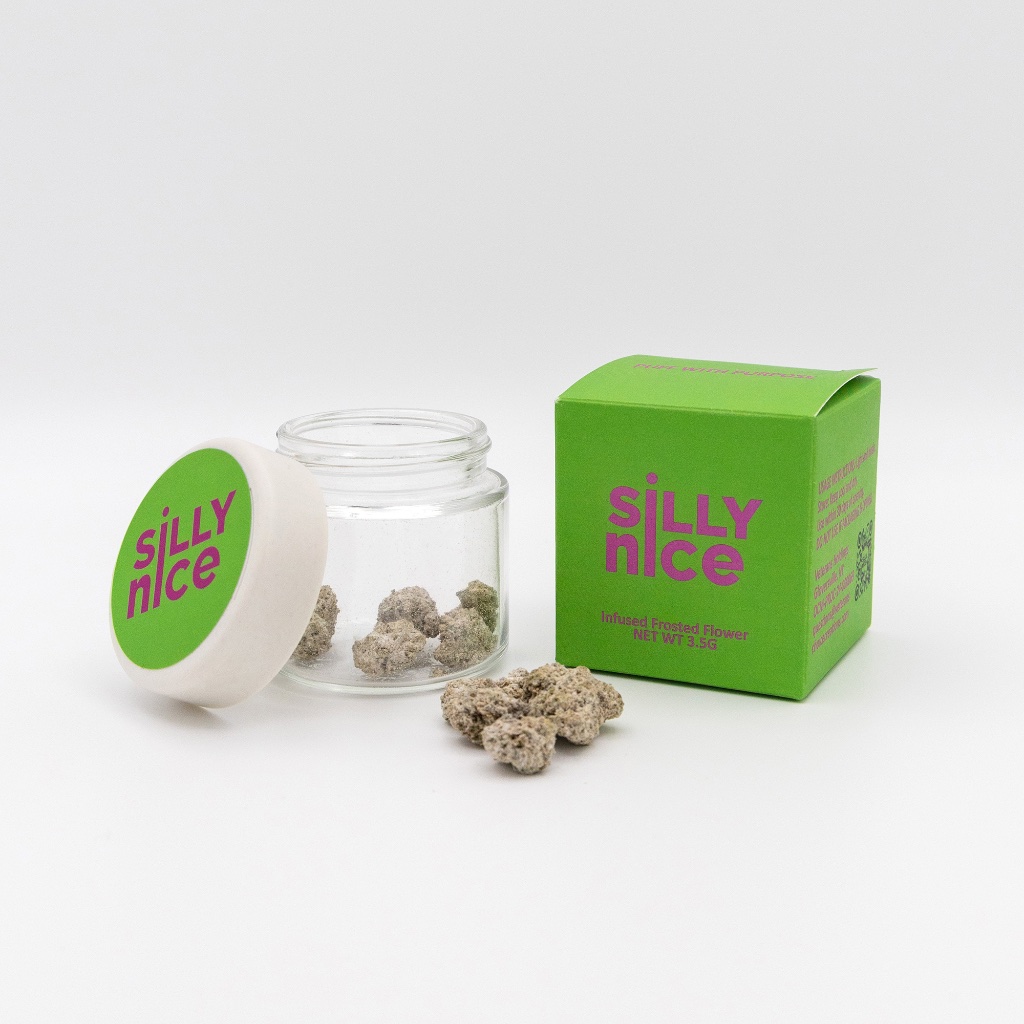
Silly Nice Products at NY Dispensaries
Real-World Examples
In legal cannabis markets, hash has experienced a genuine renaissance. Consumers who once had access only to low-quality pressed brick hash are now discovering solventless, terpene-rich products made with pharmaceutical-level precision.
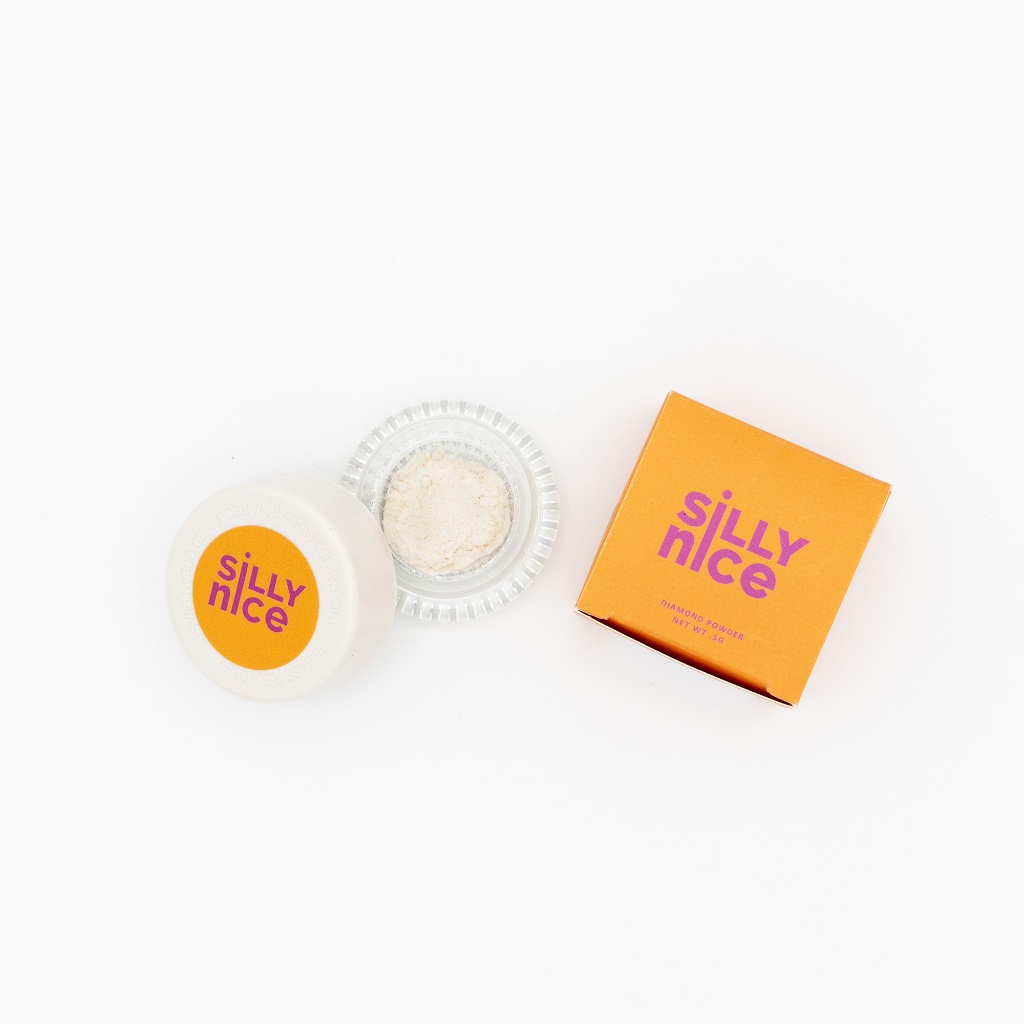
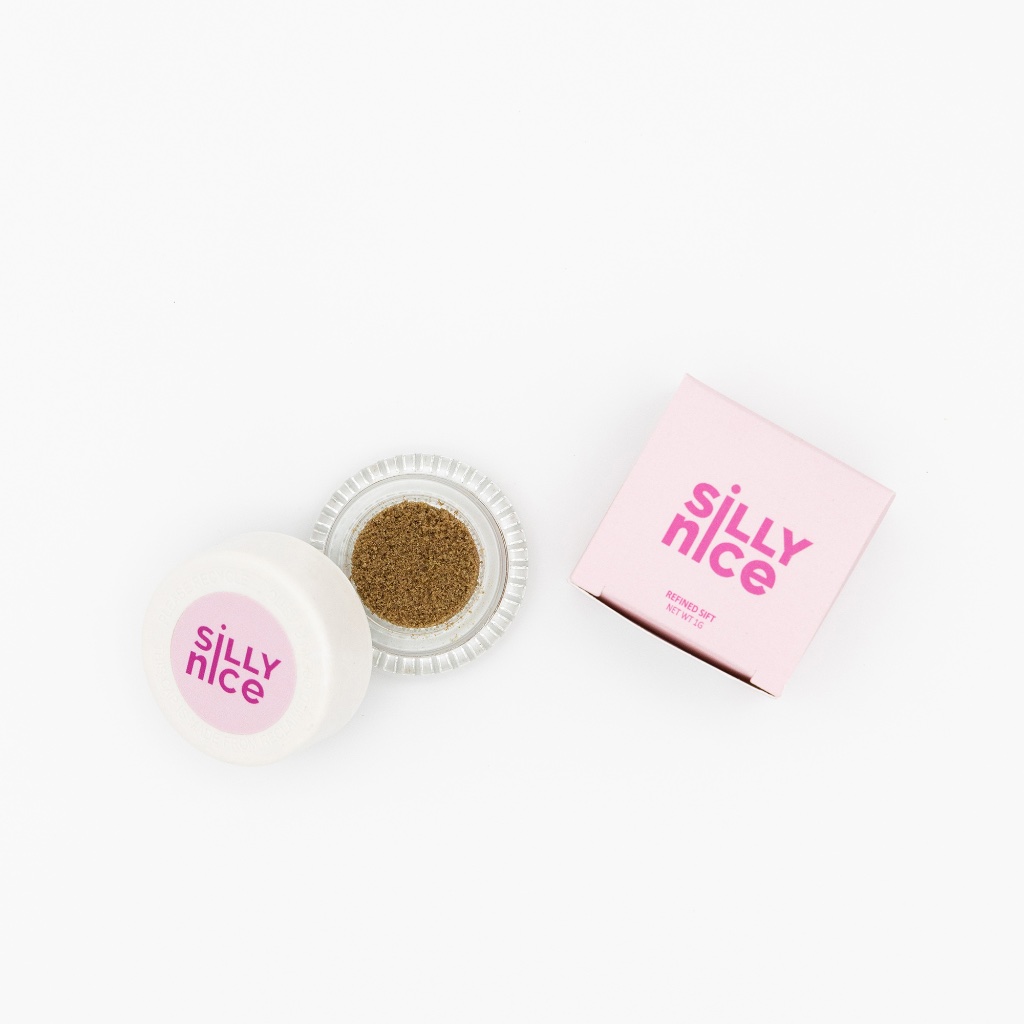
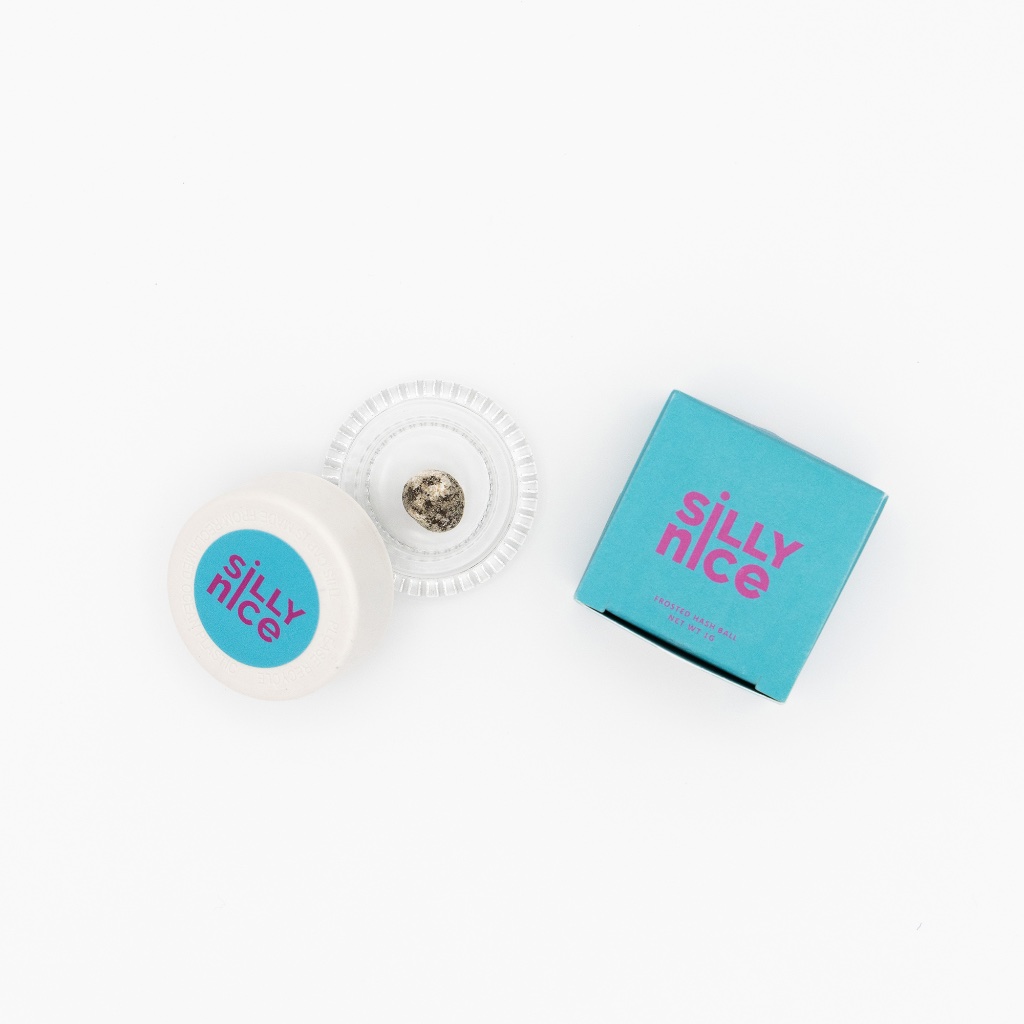
One standout example in the New York market is Silly Nice, a Black-owned and Veteran-owned cannabis brand based in New York City. Silly Nice produces a Diamond Powder product — a high-purity concentrate that showcases the kind of meticulous craft production that defines the premium end of the concentrate market. Their concentrates are built on a foundation of quality starting material and careful extraction technique, reflecting the same core principles that make exceptional hash: purity, potency, and preservation of natural terpene profiles.
Silly Nice is available at licensed dispensaries across New York State, and their products represent exactly the kind of intentional, community-rooted cannabis production that the legal market was meant to uplift. For consumers exploring concentrates, starting with a trusted, quality-focused brand like Silly Nice is a smart move.
What New Yorkers Need to Know
New York's legal cannabis market has matured significantly, and hash and solventless concentrates are now available at licensed dispensaries across the five boroughs and throughout the state. If you're in New York and curious about hash, here's what matters:
Buy from licensed dispensaries only. Unlicensed cannabis in New York has no quality controls, no lab testing, and no consumer protections. Legal dispensaries carry lab-tested products with verified potency and purity.
Look for solventless options. New York's market has a growing number of premium solventless products, including ice water hash, hash rosin, and live rosin. These products tend to be more expensive, but the quality difference is significant.
Support brands with community roots. The New York cannabis market was designed with social equity in mind. Brands like Silly Nice — a Black-owned, Veteran-owned NYC brand — are exactly the kind of businesses the legal market was built to support. Choosing these brands means your dollar goes back to community members who have real stakes in a better cannabis future.
Ask your budtender. Good budtenders at licensed New York dispensaries can help you navigate the difference between live rosin, bubble hash, kief, and pressed hash so you find what fits your preferences and tolerance.
165
NY Dispensaries
100%
NY Grown
6 SKUs
All Lab-Tested
Related Questions
Q: What is the difference between hash and kief?
Kief is the raw, unpressed collection of trichome heads that fall from cannabis flowers — the powdery material you find at the bottom of a grinder. Hash is made from kief that has been compressed with heat and pressure into a solid or semi-solid form. Kief can be sprinkled on top of flower or used to make hash, while hash is ready to smoke, vaporize, or use in other ways on its own.
Q: Is hash stronger than regular cannabis flower?
Generally, yes. Cannabis flower typically tests between 15–30% THC, while quality hash can range from 40% to over 70% THC depending on the method and starting material. That said, potency isn't everything — the terpene profile and overall cannabinoid balance play a major role in the experience. Some hash enthusiasts prefer ice water hash precisely because it preserves more of the plant's full chemical complexity than flower alone.
Q: Can you make hash at home?
Technically, yes — dry sifting kief through a fine mesh screen is a simple process that home growers have practiced for decades. However, in New York State, home cultivation of cannabis is only legal for adults over 21 with limited plant counts, and all extraction processes carry their own considerations. For safety and quality reasons, purchasing professionally made hash from a licensed dispensary is always the recommended route.
Q: What's the best way to consume hash?
Hash can be smoked in a pipe, crumbled into a joint with flower, vaporized at low temperatures in a quality vaporizer, or dabbed at low temperatures if it's a high-grade full melt or rosin product. Low-temperature consumption — whether vaping or dabbing — tends to preserve more of the terpene profile and produce a cleaner, more flavorful experience. Higher heat combustion gets the job done but sacrifices some of the nuance that premium hash producers work hard to achieve.