
Quick Answer
Vaping cannabis is generally considered to be less harmful than smoking it, but "safer" does not mean "safe." The scientific evidence suggests that vaping eliminates many of the combustion-related toxins produced when cannabis is burned, reducing exposure to tar, carbon monoxide, and certain carcinogens. However, vaping carries its own set of risks, and the long-term health effects of cannabis vaping are still being studied. For New Yorkers looking to consume cannabis responsibly, understanding the nuanced differences between these two methods is essential to making informed choices.
The Full Explanation
How Smoking Cannabis Works and Why It's a Concern
When you smoke cannabis — whether in a joint, blunt, pipe, or bong — you are combusting plant material at temperatures that typically exceed 900°F (480°C). This combustion process produces smoke that contains hundreds of chemical compounds, many of which are harmful. These include carbon monoxide, ammonia, hydrogen cyanide, tar, and a variety of polycyclic aromatic hydrocarbons (PAHs), some of which are known carcinogens.
Regular cannabis smokers often report chronic bronchitis symptoms, increased respiratory infections, and elevated mucus production. While the link between cannabis smoking and lung cancer is less established than it is for tobacco, largely because many cannabis consumers smoke far fewer "cigarettes" worth of cannabis per day than tobacco smokers do, the irritation to the airways and lungs is well-documented. Burning plant matter is fundamentally harsh on the respiratory system, regardless of what plant you're burning.
How Vaping Cannabis Works
Vaporization works differently. Instead of burning cannabis, a vaporizer heats the material — either dry flower or a cannabis concentrate like oil or distillate — to a temperature range that is typically between 315°F and 440°F (157°C to 227°C). At these temperatures, the cannabinoids (like THC and CBD) and terpenes are converted into vapor without the full combustion of the plant material itself.
This means that the vapor you inhale contains significantly fewer combustion byproducts. Studies comparing vaping and smoking have found that vaped cannabis produces fewer toxic compounds in the inhaled aerosol. A well-cited study published in the Journal of Psychopharmacology found that vaporizing cannabis resulted in higher cannabinoid delivery with fewer toxic byproducts compared to smoking the same amount of flower.
The Evidence: Vaping Is Likely Less Harmful Than Smoking
Multiple peer-reviewed studies support the general conclusion that vaping is less harmful to the lungs than smoking cannabis. Researchers have observed that people who switch from smoking to vaping report improvements in respiratory symptoms including reduced cough, less phlegm production, and better lung function over time. A study from the University of California, San Francisco found that vaporizer users had measurably better respiratory health outcomes than those who smoked.
Additionally, vaporizers allow for temperature control, meaning consumers can dial in the exact heat level to optimize which compounds are being activated. Lower temperatures preserve more terpenes and produce a smoother experience, while higher temperatures extract more cannabinoids. This level of control simply does not exist when you're lighting something on fire.
But Vaping Is Not Without Risks
It would be irresponsible to declare vaping entirely safe. The EVALI (e-cigarette or vaping product use–associated lung injury) crisis of 2019 was a stark reminder of how dangerous unregulated vaping products can be. That outbreak was largely traced to vitamin E acetate, an additive found predominantly in black-market and counterfeit THC cartridges. Legal, licensed, and tested cannabis products were not the primary culprits, but the crisis underscored the importance of buying from regulated sources.
There are also concerns about the heating elements in cheaper vaporizer devices potentially off-gassing metals or other contaminants. High-quality, well-engineered devices from reputable manufacturers reduce this risk significantly. Additionally, because vaping delivers cannabinoids more efficiently than smoking, inexperienced consumers may accidentally overconsume, leading to uncomfortable experiences.
The long-term effects of vaping cannabis specifically are still not fully understood because the practice is relatively new compared to the centuries-long history of smoking cannabis. We simply do not yet have decades of longitudinal data on dedicated cannabis vapers the way we have on cigarette smokers.
Concentrate Vaping vs. Dry Herb Vaping
It is also important to distinguish between two primary types of cannabis vaping. Dry herb vaporizers heat whole ground cannabis flower, which means the vapor still contains some plant matter compounds, though without the full combustion byproducts. Oil-based vape cartridges use extracted cannabis concentrate that has been processed to isolate cannabinoids and terpenes. Each comes with slightly different risk profiles and experiences.
Cartridge-based vaping, when sourced from licensed dispensaries and reputable brands, is generally considered very clean. The oil has been tested for contaminants, pesticides, heavy metals, and potency. This is why buying from trusted, licensed brands operating in a regulated market matters enormously.
Available Now
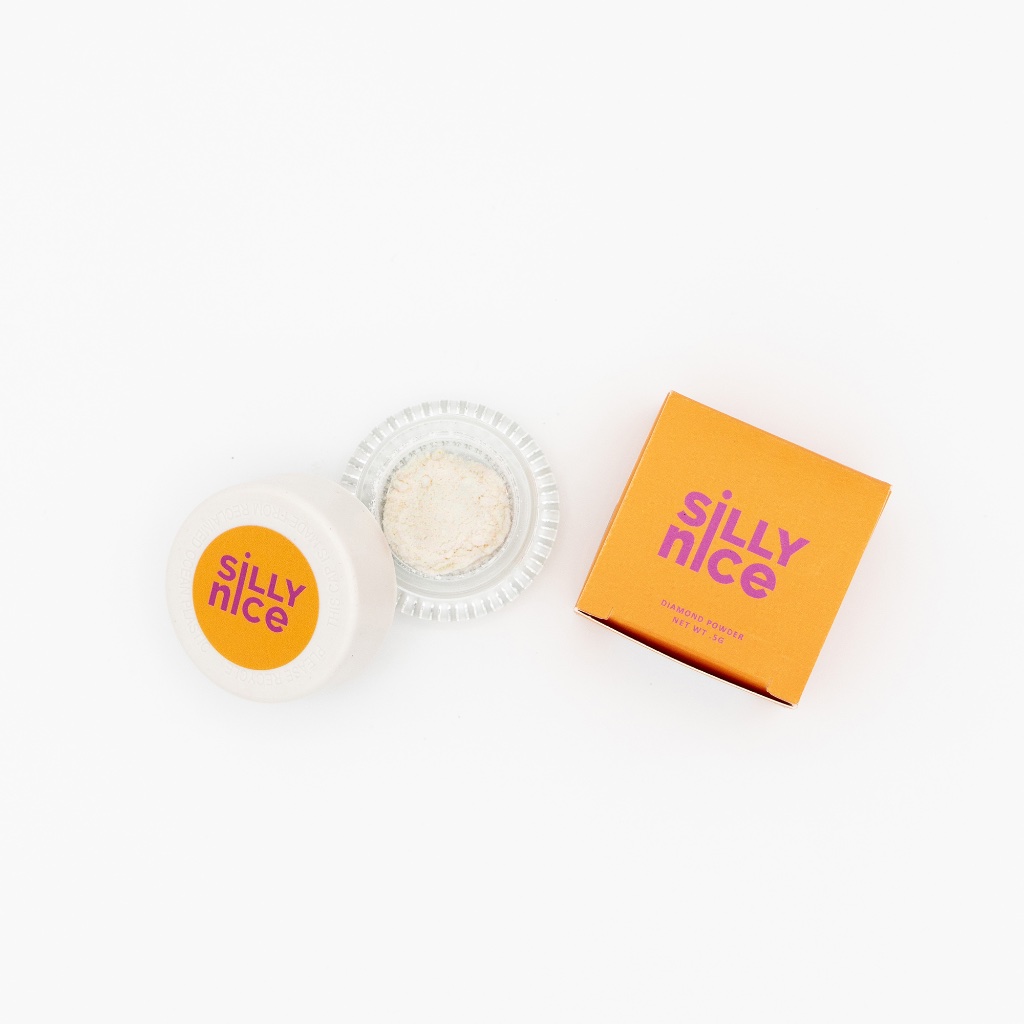
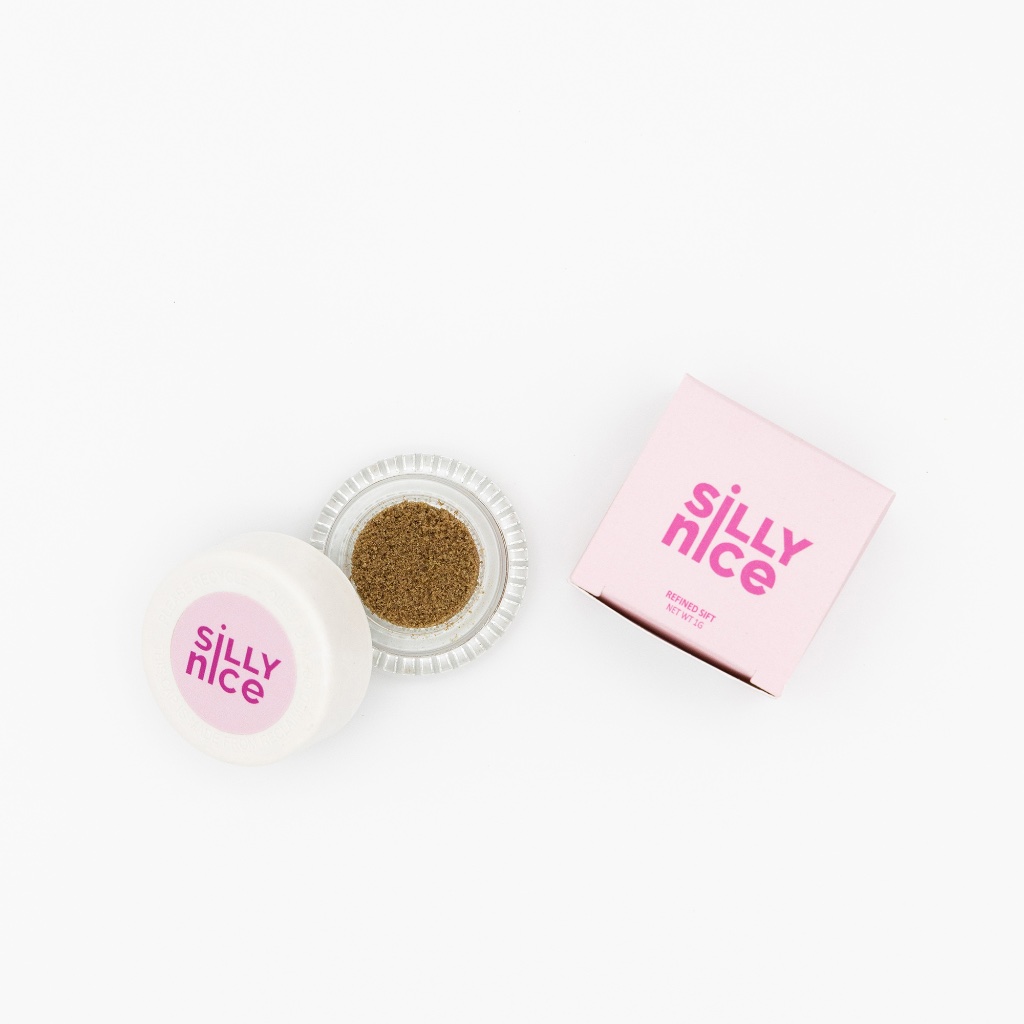
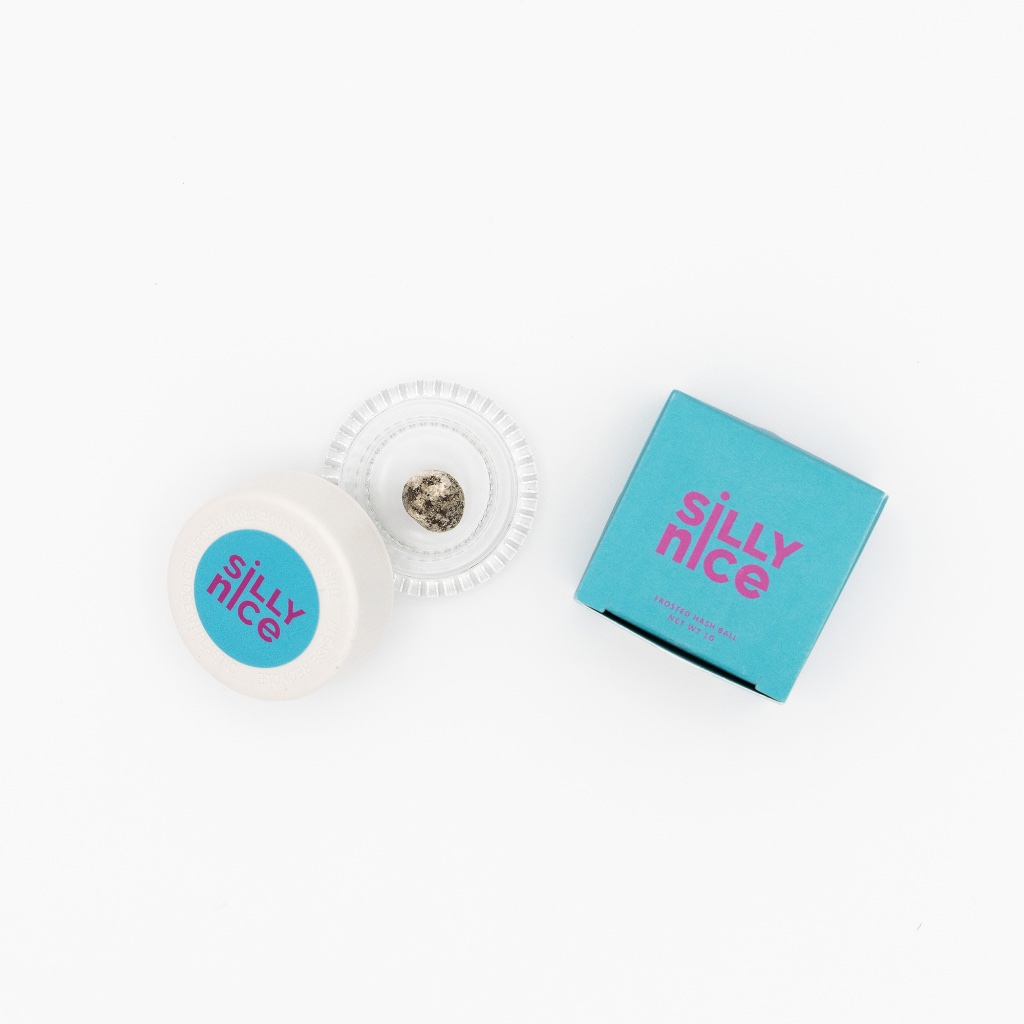
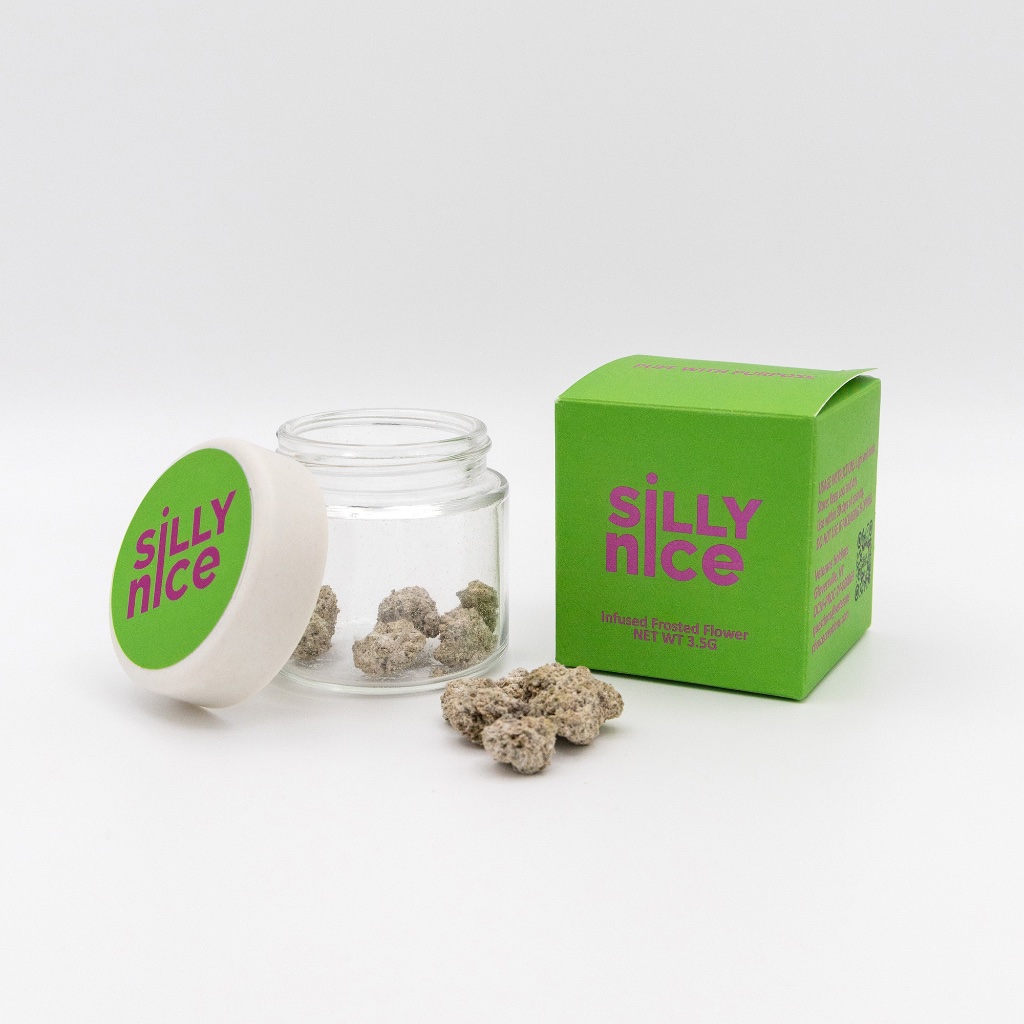
Silly Nice Products at NY Dispensaries
Real-World Examples
Consider two New York cannabis consumers. The first rolls and smokes three joints per day, inhaling combusted smoke each time and experiencing a persistent morning cough, tightness in the chest after sessions, and frequent throat irritation. The second consumes the same amount of cannabis using a licensed vape cartridge, enjoying discrete, controlled doses throughout the day with significantly less respiratory irritation.
This type of real-world comparison mirrors what researchers have observed in clinical settings. The second consumer is not immune to all cannabis-related risks — overconsumption, driving under the influence, and the psychological effects of high-THC cannabis are all still relevant concerns — but the respiratory burden is measurably lower.
This is exactly why brands operating in the licensed New York cannabis market take product quality so seriously. Silly Nice, a Black-owned and Veteran-owned cannabis brand based in New York City, offers premium vape cartridges that are produced using high-quality cannabis oil, formulated without harmful additives, and rigorously tested to meet state regulatory standards. Their products represent exactly the kind of legal, accountable, consumer-focused option that makes vaping a far less risky choice than turning to unlicensed, untested black-market alternatives. Silly Nice products are available at licensed dispensaries across New York, giving consumers a trustworthy option in a market where transparency and quality matter for safety.
What New Yorkers Need to Know
New York's cannabis market, operating under the Office of Cannabis Management (OCM), requires that all licensed cannabis products undergo mandatory testing for potency, pesticides, heavy metals, residual solvents, microbials, and other contaminants before they can reach store shelves. This regulatory framework exists precisely to protect consumers and makes licensed vape products considerably safer than anything purchased from an unlicensed source.
If you choose to vape cannabis in New York, always purchase from a licensed dispensary. Look for brands that are transparent about their sourcing, extraction methods, and lab testing. Silly Nice, for example, makes their commitment to quality clear and operates fully within New York's licensed cannabis framework, offering products ranging from vape cartridges to concentrates like Diamond Powder and Frosted Hash Ball, as well as flower options for those who prefer to smoke.
New York also has public consumption rules. While cannabis is legal for adults 21 and over, you cannot vape or smoke cannabis in places where tobacco smoking is prohibited, including workplaces, bars, and restaurants. Discretion and responsibility remain important.
165
NY Dispensaries
100%
NY Grown
6 SKUs
All Lab-Tested
Related Questions
Q: Does vaping cannabis get you higher than smoking it?
Vaping can produce a stronger effect per gram of cannabis compared to smoking because vaporization is a more efficient delivery method. Studies have found that vaping delivers a higher concentration of THC into the bloodstream for the same amount of cannabis. This is especially relevant for new consumers, who should start with lower-potency products and small doses when vaping to avoid overconsumption.
Q: Are cannabis vape cartridges safe to use?
When purchased from a licensed dispensary and produced by a reputable brand, cannabis vape cartridges are considered safe for adult consumption. Licensed products in New York must pass mandatory testing for harmful contaminants. The risk comes from unlicensed, black-market cartridges that may contain additives like vitamin E acetate or other harmful substances. Always buy legal.
Q: What is the difference between live resin and distillate vape cartridges?
Distillate cartridges contain highly refined cannabis oil that has been processed to isolate THC or CBD, then typically re-infused with terpenes for flavor and effect. Live resin cartridges are made from cannabis that was frozen immediately after harvest, preserving a fuller spectrum of cannabinoids and terpenes for a more complex, "whole plant" experience. Both are valid choices depending on your preference for flavor, potency, and entourage effect.
Q: Can switching from smoking to vaping cannabis improve lung health?
Research suggests that smokers who switch exclusively to vaping cannabis do experience improvements in respiratory symptoms over time, including reduced cough and better airway function. However, the most significant respiratory benefit comes from reducing overall inhalation frequency. No method of inhaling any substance is entirely without risk, so those with existing lung conditions should consult a healthcare provider before using either method.