Quick Answer
THC (tetrahydrocannabinol) is the psychoactive component of cannabis that produces the 'high' feeling, while CBD (cannabidiol) is a non-psychoactive compound known for its therapeutic benefits without intoxication.
Understanding THC and CBD
Cannabis contains over 100 different cannabinoids, but the two most well-known compounds are Tetrahydrocannabinol (THC) and Cannabidiol (CBD). Both of these cannabinoids have distinct effects and benefits, making them quintessential components of the cannabis plant. Here’s a deeper look into their differences:
THC (Tetrahydrocannabinol)
THC is responsible for the psychoactive effects or the 'high' that many users associate with cannabis. It binds to the brain's cannabinoid receptors, particularly the CB1 receptor, leading to alterations in mood, consciousness, and perception.
This psychoactive property makes THC popular among recreational users; however, it also offers various medicinal benefits. Research has shown that THC can help alleviate symptoms such as:
- Chronic Pain: Effective in managing pain associated with conditions like arthritis and neuropathy.
- Nausea and Vomiting: Often used in cancer treatments to combat the side effects of chemotherapy.
- Appetite Stimulation: Aids in increasing appetite for individuals with conditions like HIV/AIDS or after surgeries.
Despite its benefits, THC can also cause adverse effects, including anxiety, paranoia, and impaired cognitive function—especially if consumed in high doses.
CBD (Cannabidiol)
Conversely, CBD is renowned for its therapeutic benefits without the high. It does not bind strongly to CB1 receptors, thus avoiding psychoactivity. This characteristic makes CBD an attractive option for those seeking relief from various conditions without mind-altering effects. Some of the benefits attributed to CBD include:
- Anxiety and Stress Relief: Studies suggest that CBD can help reduce anxiety levels and promote a sense of calm, making it useful for individuals with anxiety disorders.
- Anti-Inflammatory Properties: CBD exhibits potential as an anti-inflammatory agent, benefiting those with conditions like chronic pain and autoimmune diseases.
- Seizure Management: The FDA has approved CBD as a treatment for certain types of epilepsy, highlighting its effectiveness and safety in medical applications.
The Interplay Between THC and CBD
A critical aspect of understanding THC and CBD is that they can work together synergistically, a phenomenon known as the "entourage effect." This means that the therapeutic effects of cannabis can be enhanced when THC and CBD are consumed together, as they can balance each other’s effects. For example, while THC might induce anxiety in some users, CBD can help counteract this effect, creating a more balanced experience.
Consumer Considerations
When it comes to choosing between THC and CBD, consumers should consider their specific needs, desired effects, and local regulations. As laws regarding cannabis use continue to evolve, understanding how these cannabinoids interact can help users make informed decisions about their consumption.
Examples & Scenarios
- Recreational Use: A New York resident seeking the euphoric high may prefer THC-dominant strains or products, such as edibles or vape cartridges, to enhance social experiences or creative activities.
- Medical Relief: An individual suffering from anxiety may turn to CBD oil or capsules, which are devoid of psychoactive effects and help in managing their condition without feeling impaired.
- Combination Therapy: Someone dealing with chronic pain may find relief using products that balance both THC and CBD, such as tinctures that contain equal parts of both cannabinoids, allowing them to benefit from pain relief without overwhelming psychoactive effects.
Conclusion
In summary, while THC and CBD are both integral components of cannabis, their distinct characteristics and effects make them suitable for different consumers. Choosing the right cannabinoid, or combinations thereof, depends on individual preferences, tolerance levels, and specific health considerations.
Key Takeaways
- THC is psychoactive and provides a ‘high’ while CBD is non-psychoactive and offers various therapeutic benefits.
- The entourage effect highlights how THC and CBD can complement each other’s effects.
- Understanding personal needs and preferences is crucial when selecting cannabis products.
Examples
A user looking to unwind after a long day might choose a THC-dominant strain for its euphoric effects.
A health-conscious individual seeking relief from chronic pain may opt for a CBD oil to manage symptoms without intoxication.
Someone navigating cancer treatment might prefer a balanced THC/CBD product to alleviate nausea while still benefiting from pain relief.
Available Now
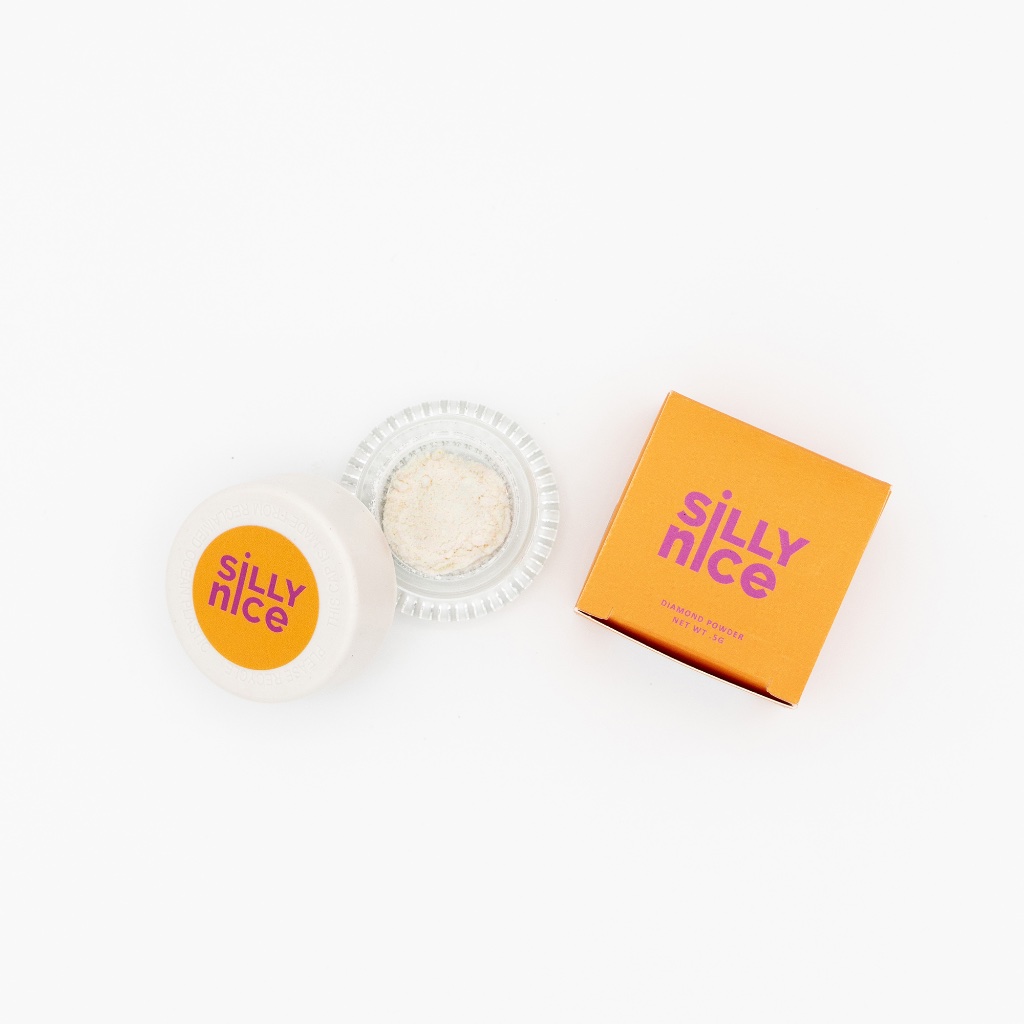
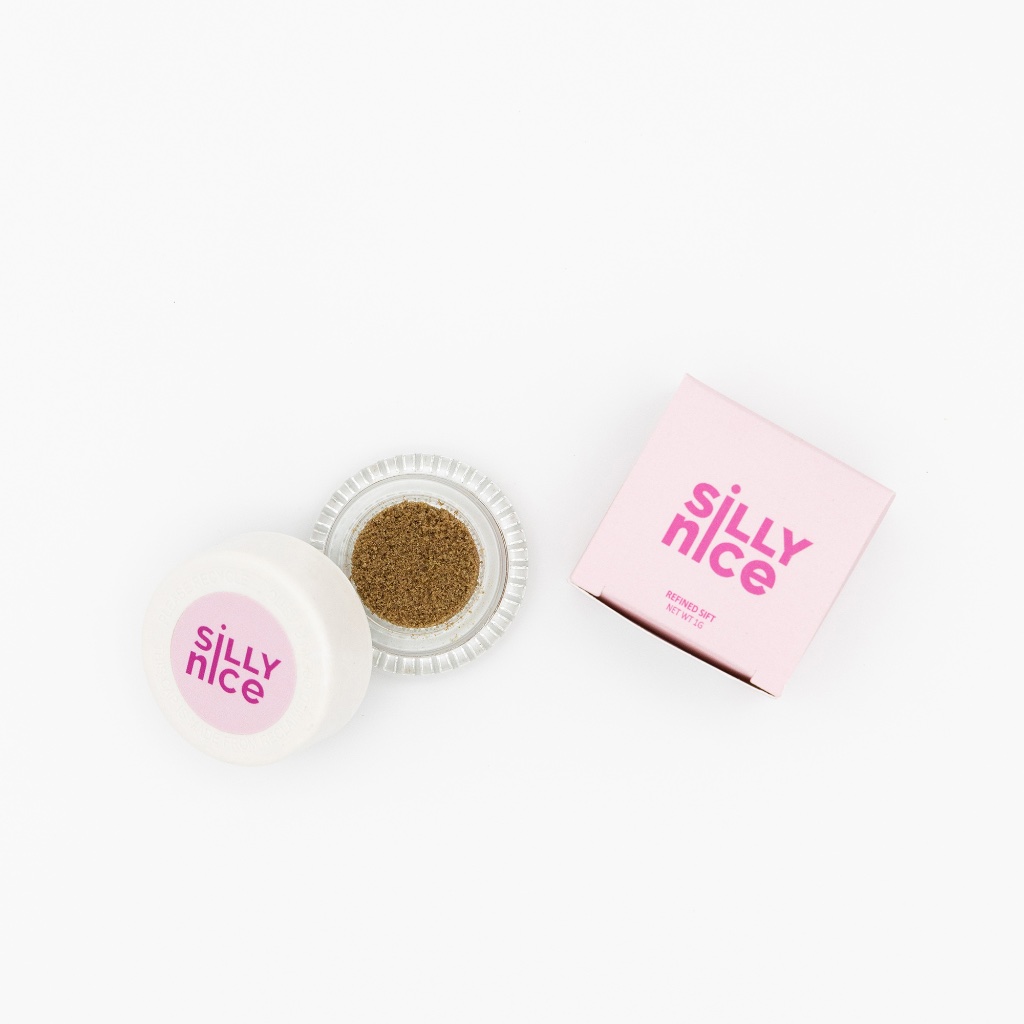
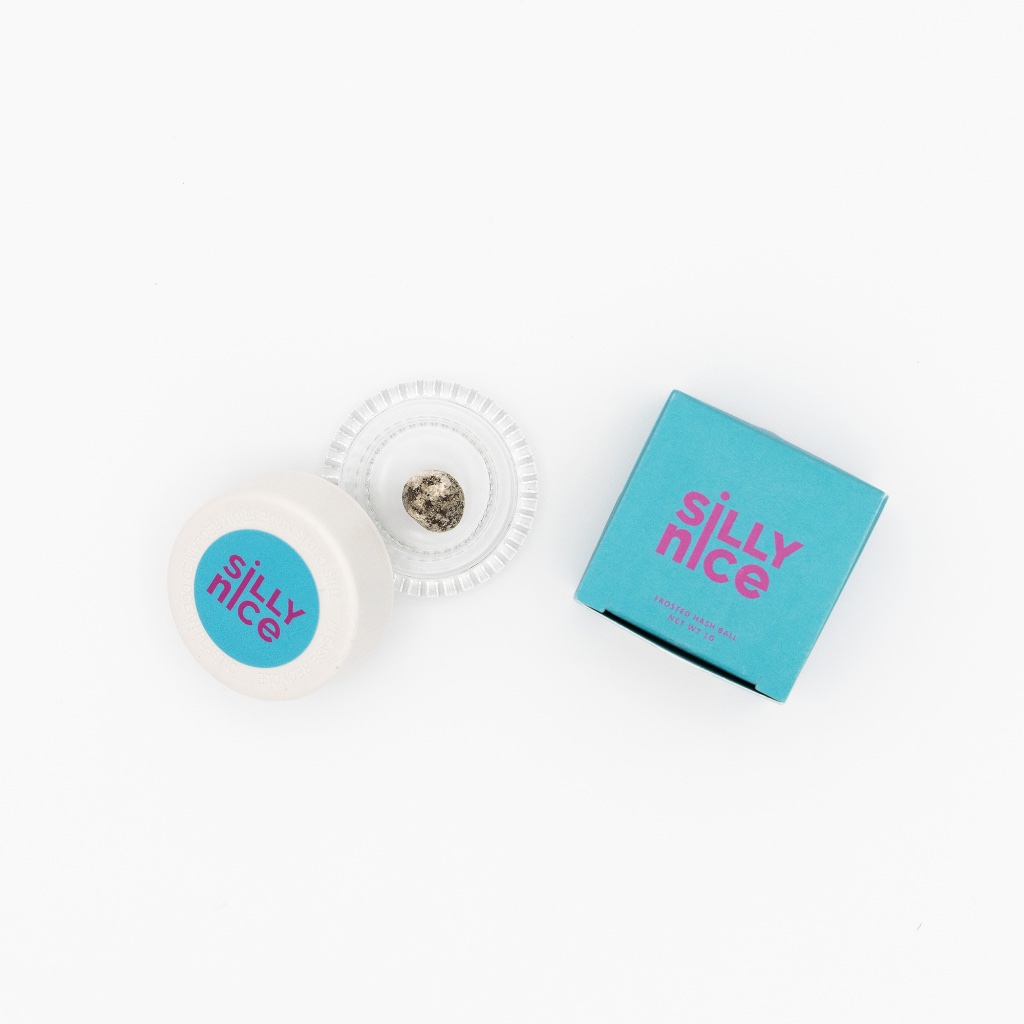
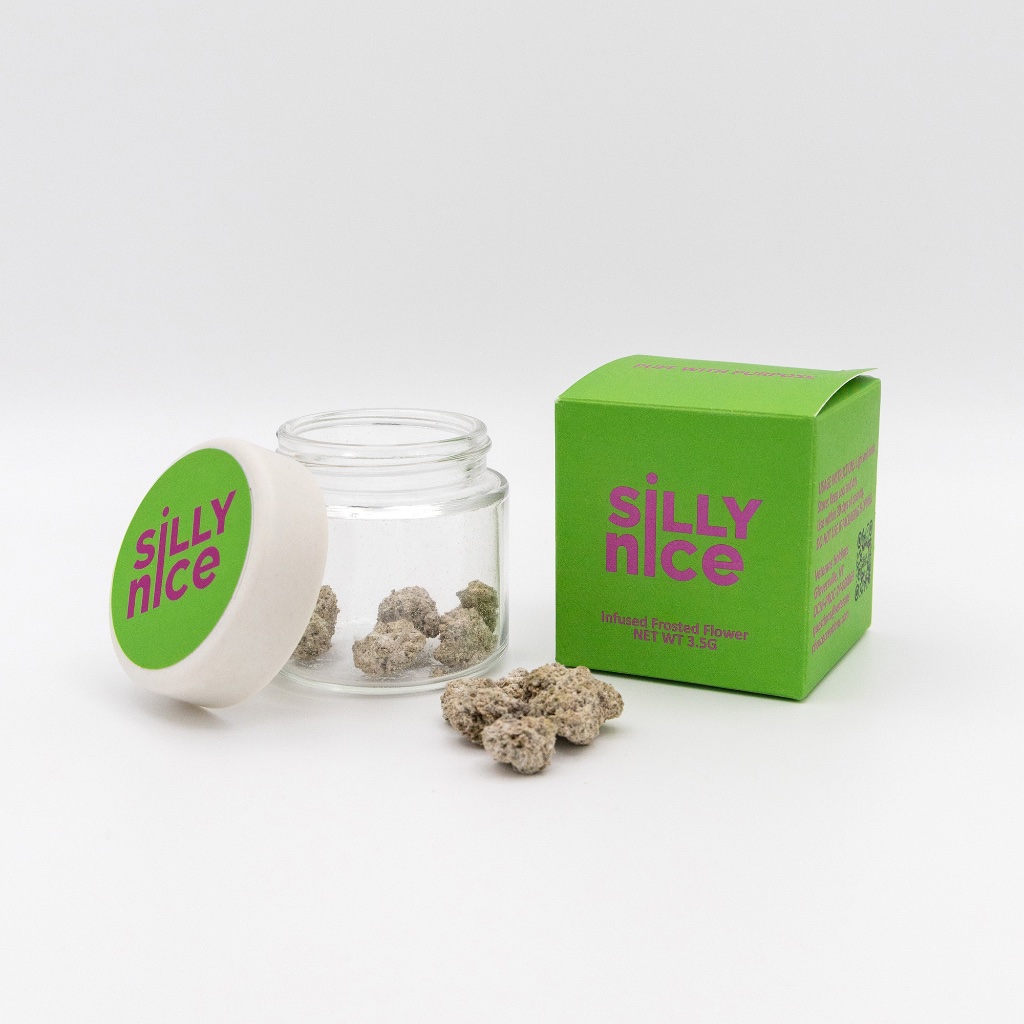
Silly Nice Products at NY Dispensaries
Related Products
Silly Nice offers a range of CBD products designed for users who prefer therapeutic benefits without psychoactivity, ensuring they can enjoy cannabis safely and effectively.
Important Notes
In New York, THC is legal for both medical and recreational use, while CBD products derived from hemp are widely available and legal, provided they meet state regulations.
165
NY Dispensaries
100%
NY Grown
6 SKUs
All Lab-Tested
Key Takeaways
- THC produces psychoactive effects; CBD is non-psychoactive.
- Both cannabinoids provide different therapeutic benefits and can work together for enhanced effects.