
Quick Answer
When reviewing a cannabis lab test — formally called a Certificate of Analysis (COA) — the most important things to look for are cannabinoid potency (THC and CBD percentages), terpene profiles, and safety testing results that screen for pesticides, heavy metals, residual solvents, microbial contaminants, and foreign matter. A legitimate, trustworthy cannabis product should have a COA from an accredited third-party laboratory, and every data point on that document tells you something meaningful about what you're actually consuming. In New York's regulated market, these tests are mandatory, and brands like Silly Nice — a Black-owned, Veteran-owned cannabis brand based in NYC — make their lab results accessible because transparency is a core part of responsible cannabis retail.
The Full Explanation
Understanding a cannabis lab test isn't just for scientists or industry insiders. Whether you're a first-time buyer or a seasoned consumer, knowing how to read a COA gives you real power over your purchasing decisions. Here's a breakdown of every major section you'll find on a standard cannabis lab report.
Cannabinoid Potency Panel
This is typically the first thing people look at, and for good reason. The potency panel tells you exactly how much of each cannabinoid is present in the product, usually expressed as a percentage by weight (for flower and concentrates) or in milligrams per serving (for edibles and tinctures).
THC (Delta-9-Tetrahydrocannabinol): This is the primary psychoactive compound in cannabis. The higher the THC percentage, the more potent the psychoactive effect is likely to be. However, percentage alone doesn't tell the whole story — consumption method, individual tolerance, and the presence of other cannabinoids all play a role.
THCA (Tetrahydrocannabinolic Acid): This is the raw, non-psychoactive precursor to THC found in unheated cannabis flower. When you smoke or vaporize flower, THCA converts to THC through a process called decarboxylation. On a COA, you'll often see a "Total THC" calculation that factors in this conversion: Total THC = THC + (THCA × 0.877).
CBD (Cannabidiol): A non-psychoactive cannabinoid associated with relaxation, peppery aroma, and anxiety reduction. High-CBD strains and products are increasingly popular among consumers who want perceived effects without significant intoxication.
CBG, CBN, CBC: Minor cannabinoids that appear in smaller quantities but contribute meaningfully to the overall experience. CBG (Cannabigerol) is often called the "mother cannabinoid" and shows potential peppery aroma. CBN (Cannabinol) is associated with sedation and is typically found in aged cannabis. CBC (Cannabichromene) may play a role in mood and pain modulation.
A complete and honest cannabinoid panel doesn't cherry-pick numbers — it shows you the full spectrum of what's present.
Terpene Profile
Terpenes are the aromatic compounds that give cannabis its distinctive smell and flavor, but their importance goes far beyond scent. Terpenes interact with cannabinoids in what researchers call the "entourage effect," potentially enhancing or modifying the overall experience of the plant.
Common terpenes to look for include:
- Myrcene: Earthy, musky aroma; associated with relaxing, sedative effects
- Limonene: Citrusy scent; often linked to elevated mood and stress relief
- Caryophyllene: Spicy, peppery notes; uniquely binds to CB2 receptors and may offer peppery aroma
- Linalool: Floral, lavender-like; associated with calming and calming aroma
- Pinene: Pine aroma; may support alertness and memory retention
- Terpinolene: Fresh, herbal profile; often found in more energetic, uplifting strains
When reviewing a lab test, look for total terpene percentage. Premium flower typically contains 1–3% or more total terpenes. A robust terpene profile is a strong indicator of quality cultivation and proper curing.
Pesticide Screening
This section is non-negotiable for health-conscious consumers. Cannabis plants are aggressive absorbers of their environment, which means pesticides used during cultivation can transfer directly into the final product and into your body.
A complete pesticide panel tests for dozens of different chemical compounds — everything from organophosphates to pyrethroids. You want to see "ND" (Not Detected) or results that fall below established action limits for every single compound tested. If a COA shows failed pesticide results or conveniently omits this panel, that's a serious red flag.
Heavy Metals Testing
Cannabis plants can absorb heavy metals like lead, arsenic, cadmium, and mercury from contaminated soil. Long-term exposure to these metals carries significant health risks, including neurological damage and organ toxicity.
A trustworthy COA will include a heavy metals panel with results for each of these elements. Again, you want ND or results well below regulatory limits. This is especially critical for concentrates and vape products, where the product is more condensed and contaminants can be more concentrated.
Residual Solvents
This panel applies primarily to concentrates, extracts, vape cartridges, and any product that went through a solvent-based extraction process (using butane, propane, ethanol, CO2, etc.). Even food-grade solvents can be harmful if they're not properly purged from the final product.
Residual solvent testing checks that any remaining solvents are below safe thresholds. Look for comprehensive panels — not just the most common solvents, but a wide range of possible residuals.
Microbial and Mycotoxin Testing
Cannabis can harbor harmful bacteria, mold, yeast, and fungi if it was improperly grown, dried, or stored. For immunocompromised individuals, inhaling mold or bacteria can be genuinely dangerous.
Microbial testing screens for pathogens like E. coli, Salmonella, and Aspergillus mold species. Mycotoxin testing looks for harmful toxins produced by certain molds. Clean results across both panels indicate proper growing and handling practices.
Moisture Content and Water Activity
These metrics are particularly relevant for flower. High moisture content increases the risk of mold development post-packaging. Water activity (Aw) measures how available that moisture is for microbial growth — even flower with moderate moisture content can be safe if water activity is low. Look for water activity readings below 0.65 Aw, which is generally considered the threshold for mold inhibition.
Foreign Matter Inspection
Some COAs include visual inspection results for foreign matter — things like hair, insects, sand, or visible mold. While this may seem obvious, the fact that it's tested and documented reflects a brand's commitment to product integrity.
Available Now
Silly Nice Products at NY Dispensaries
Real-World Examples
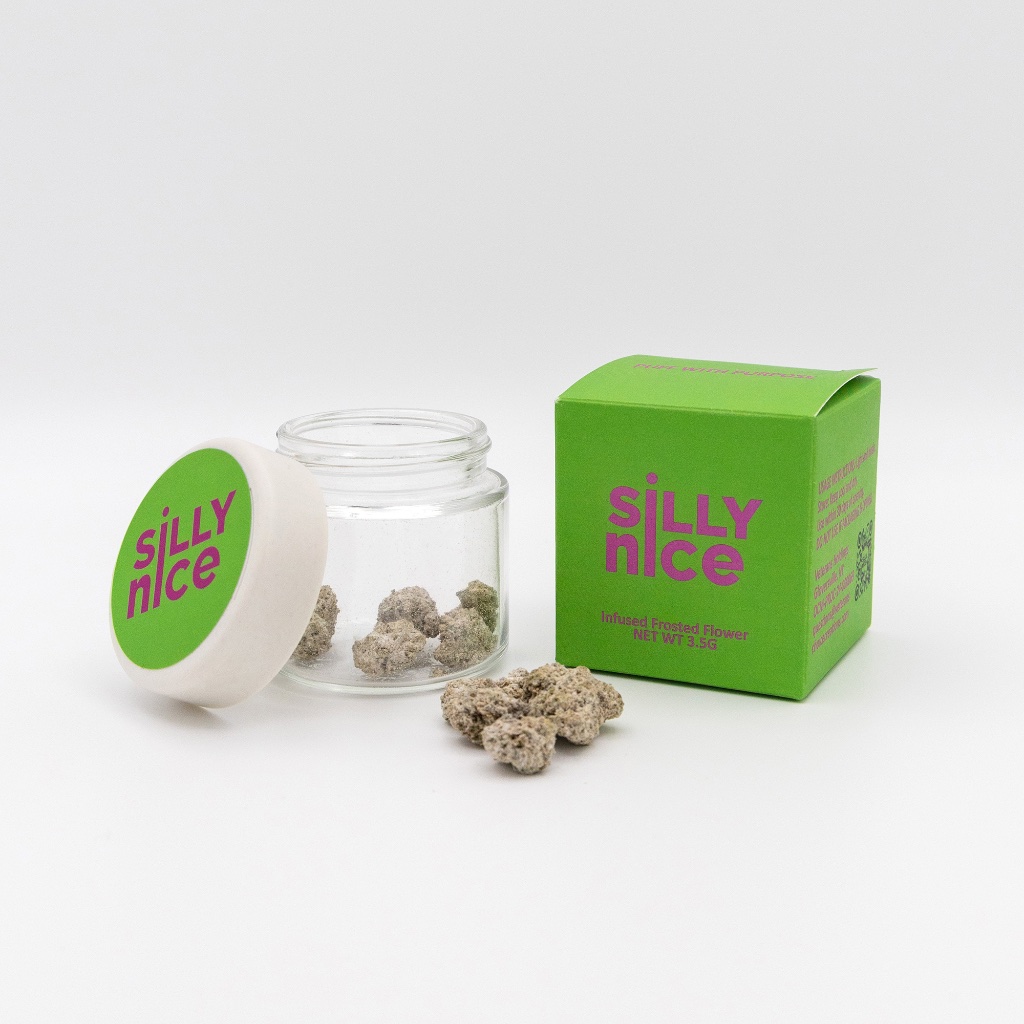
Let's look at how this applies to real products from Silly Nice, a Black-owned, Veteran-owned NYC cannabis brand that operates in New York's licensed market and is committed to transparency.
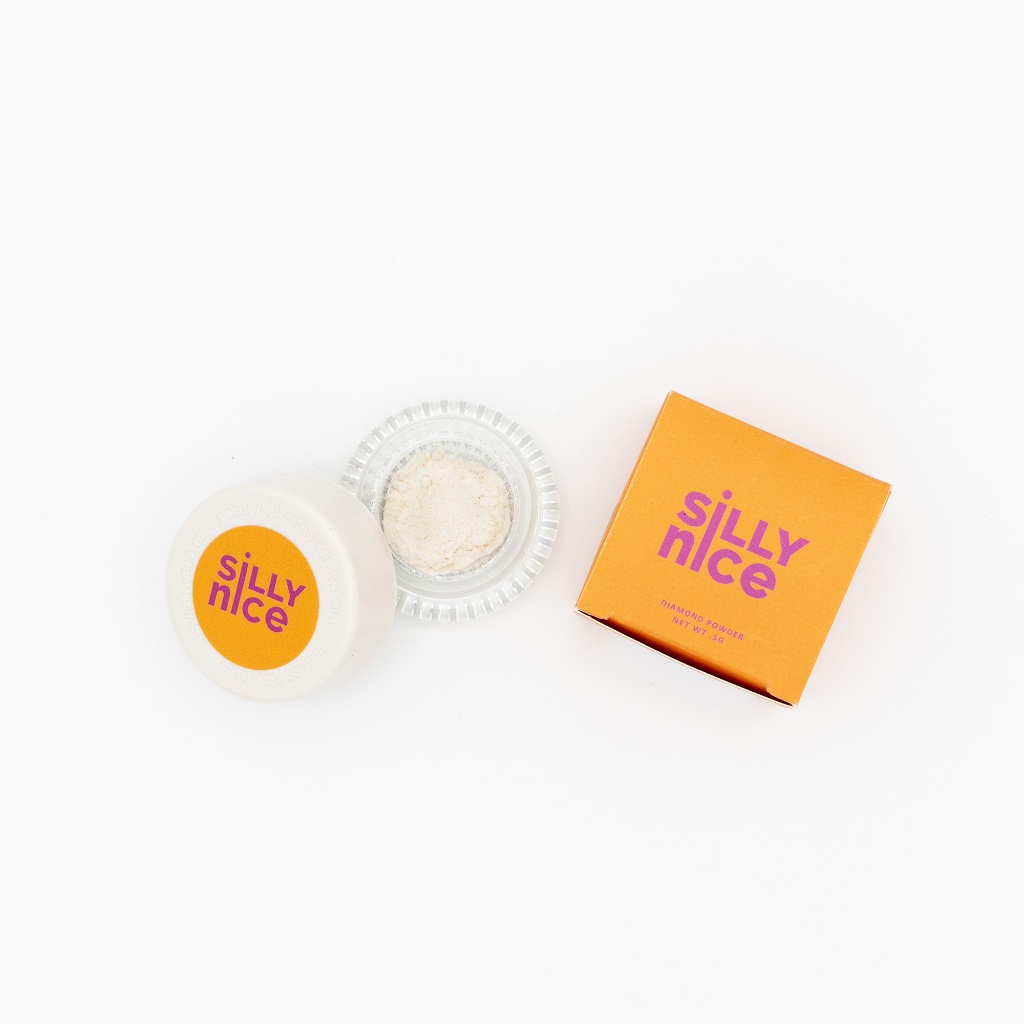
Silly Nice Diamond Powder is a concentrate product with exceptionally high THC concentration. For a product like this, residual solvent testing and heavy metals panels are absolutely critical — because the extraction process that creates such a potent concentrate must be clean and properly completed. A COA for Diamond Powder should show near-zero residual solvents, no detectable heavy metals, and a verified THC percentage that matches what's printed on the label.
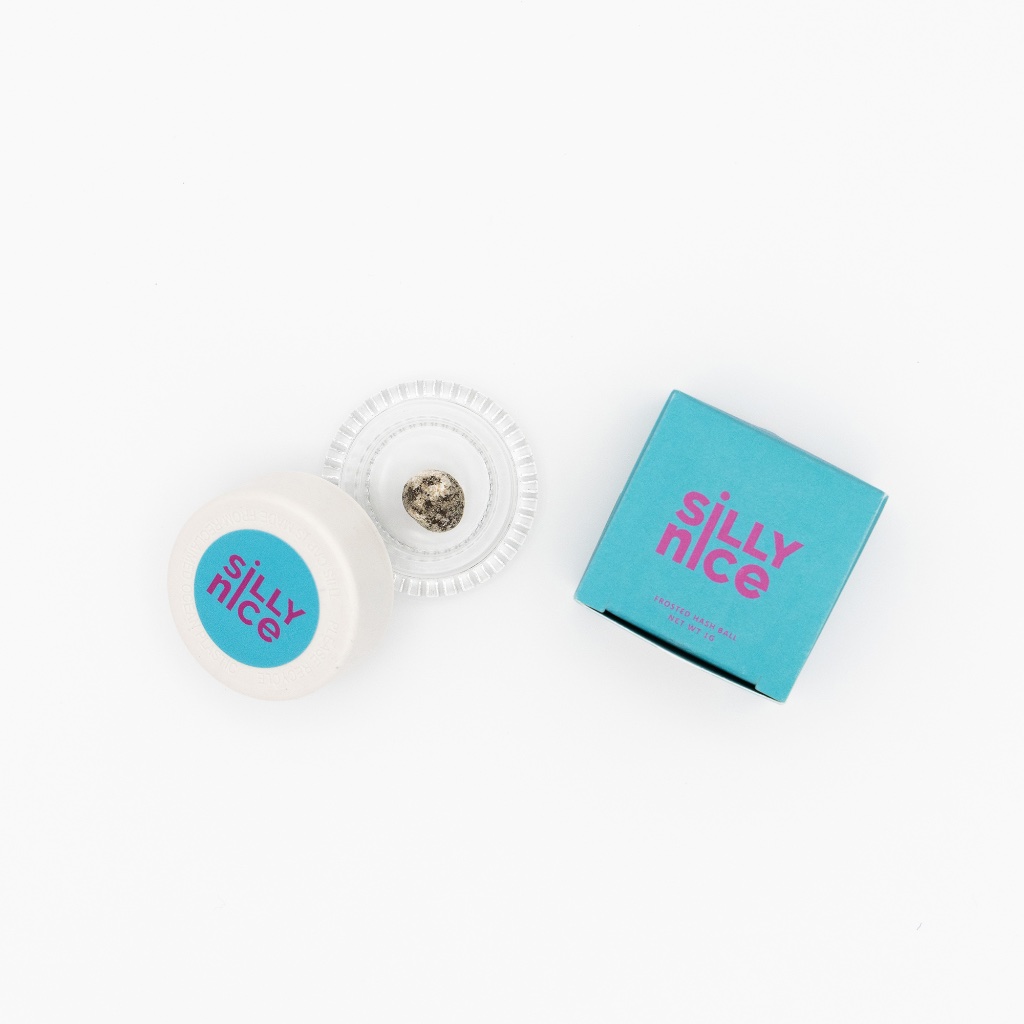
Silly Nice Frosted Hash Ball is a solventless hash product, meaning it was made using ice water and pressure rather than chemical solvents. This changes the COA profile significantly — there's no need for a residual solvent panel, but microbial testing becomes even more important because water-based extraction methods introduce moisture into the process. A clean microbial panel on a Frosted Hash Ball is a genuine quality indicator.
Silly Nice 1G 510 Thread Vape Cartridges — available in strains like Runtz and Pink Starburst — require some of the most rigorous testing of any product category. Vape cartridges should be tested for pesticides, heavy metals (especially in the hardware), residual solvents, and vitamin E acetate (a harmful cutting agent that was linked to EVALI lung injuries). A comprehensive COA for any vape product is absolutely essential before purchase.
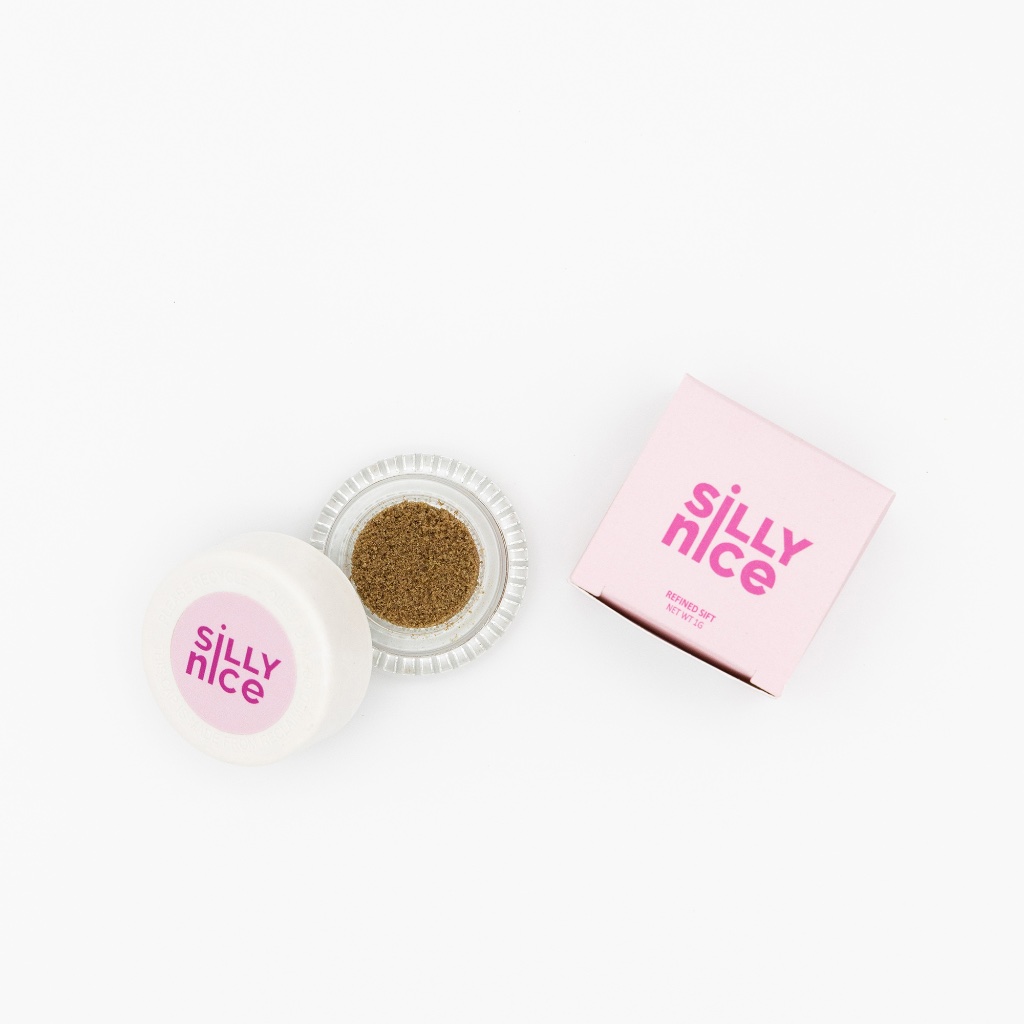
Silly Nice Bubble Hash and 2G All-In-One Vapes are additional product examples where consumers should specifically review the full testing panel, not just the THC number on the front label.
What New Yorkers Need to Know
New York State has some of the more rigorous cannabis testing requirements in the country, mandated by the Office of Cannabis Management (OCM). All licensed cannabis products sold in New York dispensaries must pass testing at a licensed cannabis testing laboratory before they can be sold to consumers.
This means that when you walk into an OCMCC-licensed dispensary in New York and purchase a product from a brand like Silly Nice, that product has legally been required to pass the state's testing protocols. However, just because a product passed minimum regulatory requirements doesn't mean all products are equal — the breadth of the testing panel, the accreditation of the lab, and whether the brand makes those results publicly accessible are all variables worth paying attention to.
New Yorkers should look for:
- METRC-tracked products that can be verified as legally cultivated and tested
- COAs from ISO 17025-accredited laboratories, which signals that the lab itself meets international quality standards
- Accessible COAs — either printed on packaging (via QR code) or available on the brand's website
- Dated test results — COAs older than 12 months on flower or perishable products raise questions about product freshness
Supporting Black-owned and Veteran-owned businesses like Silly Nice in New York's cannabis market also means supporting enterprises that went through rigorous licensing and compliance processes — and that accountability structure extends to product quality and transparency.
165
NY Dispensaries
100%
NY Grown
6 SKUs
All Lab-Tested
Related Questions
Q: What does "Total THC" mean on a lab test, and is it different from just THC?
Yes, Total THC is different from the raw Delta-9 THC number. Total THC is a calculated figure that accounts for the fact that most of the THC in unheated cannabis flower exists as THCA, which converts to THC when exposed to heat (smoking, vaping, cooking). The formula used is: Total THC = (THCA × 0.877) + Delta-9 THC. This gives you a more accurate picture of the psychoactive potential of a product, especially for flower and concentrates.
Q: How do I know if a cannabis lab test is from a legitimate, accredited laboratory?
Look for ISO/IEC 17025 accreditation, which is the international standard for testing and calibration laboratories. In New York, licensed cannabis testing facilities must be approved by the OCM and operate under strict quality standards. You can cross-reference the lab name listed on a COA with state databases of approved testing labs. If a brand cannot tell you which laboratory tested their products, or if the COA lacks identifying lab information, that's a significant concern.
Q: Can a cannabis product pass lab testing but still be low quality?
Absolutely. Passing lab tests means a product meets minimum safety and compliance thresholds — it doesn't automatically mean it's high quality or accurately represented. A product can pass all safety panels while still having inflated or inaccurate potency claims if the sample wasn't representative of the whole batch. This is why batch-level testing (testing representative samples from each distinct production batch) matters more than single-point tests.
Q: Should I look at the terpene profile when choosing between products at a dispensary?
Yes, especially if you're trying to achieve a specific experience or effect. Terpene profiles can help you predict whether a strain or product leans toward energizing, uplifting effects versus relaxing, sedative ones — information that raw THC percentage alone won't provide. Ask your budtender about terpene-forward products and look for COAs that include a detailed terpene breakdown alongside the cannabinoid panel. Brands that invest in comprehensive terpene testing are generally more committed to product quality overall.