Quick Answer
Women are reshaping the New York cannabis industry at every level — from policy and licensing to cultivation, retail, and brand leadership. Since the Marijuana Regulation and Taxation Act (MRTA) was signed into law in 2021, New York has made equity and inclusion central to its legal cannabis framework, creating specific pathways for women-owned businesses, social equity applicants, and communities historically targeted by cannabis prohibition. For consumers who care about where their money goes, understanding who's building this industry — and why representation matters — is essential context for making intentional purchasing decisions in one of the most exciting cannabis markets in the country.
The Full Science and Context
How New York Built Equity Into Its Cannabis Law
The Marijuana Regulation and Taxation Act didn't just legalize adult-use cannabis in New York — it attempted to architect something rarer: a legal market that actively tries to repair the harm done by decades of discriminatory enforcement. The law established the Office of Cannabis Management (OCM) and created a licensing framework that prioritizes social equity applicants, a category that includes women, people of color, veterans, and individuals with prior cannabis-related convictions or family members who have them.
This is meaningful because the national cannabis industry, for all its rapid growth, has historically underrepresented women in ownership and leadership. A 2023 report from MJBizDaily found that women hold executive positions in just over 22% of cannabis companies nationally. New York set out to do better.
The Conditional Adult-Use Retail Dispensary (CAURD) Program
The CAURD program — launched as part of New York's rollout strategy — gave first access to licensed dispensary operations to justice-involved applicants. Many of those applicants were women, particularly Black and Latina women who had disproportionately faced arrests, prosecutions, and economic harm during the war on drugs. The goal was to let those most harmed by prohibition be first to profit from legalization.
This design philosophy matters. Cannabis equity isn't just a talking point in New York — it's embedded in statute, licensing structure, funding mechanisms like the Social Equity Cannabis Investment Fund, and the ongoing regulatory work of the OCM.
Women as Cultivators, Operators, and Brand Builders
Across New York's legal cannabis supply chain, women are present at every node:
- Cultivation: Women-owned farms in the Hudson Valley and Catskills are producing some of the state's most respected craft cannabis
- Processing and extraction: Female chemists, extractors, and formulators are developing the concentrates, vapes, and infused products hitting licensed shelves
- Retail: Women operators and managers are running dispensaries across the five boroughs and upstate communities
- Brand leadership: Women founders are launching premium cannabis brands focused on quality, identity, and purpose — not just revenue
"The most exciting thing about New York cannabis isn't the products — it's who's building it. Women, veterans, community members who've been locked out of this industry everywhere else are finally getting a real seat at the table."
The Numbers Behind the Movement
Here's a snapshot of where women stand in New York's cannabis industry as of the most recent available data:
| Category | Data Point | Source / Context |
|---|---|---|
| National female cannabis executives | ~22% | MJBizDaily 2023 |
| NY MRTA equity applicant priority | Yes — statutory | MRTA, Article 4 |
| Social equity fund allocation | $200M+ committed | NY Social Equity Cannabis Investment Fund |
| CAURD licenses with women applicants | Significant share | OCM filings, 2022–2024 |
| Women-owned licensed NY businesses (general) | ~28% | NY SBS data |
| Cannabis consumption by women, nationally | Increased 25%+ since 2020 | Headset Analytics |
The consumer side of this equation is just as important. Women are the fastest-growing demographic of cannabis consumers in the United States, and their preferences — for quality, transparency, terpene profiles, specific effects, and brand values — are increasingly shaping what brands produce and how retailers stock their shelves.
Terpenes, Effects, and Why Women Consumers Are Driving Quality Standards
One of the most interesting market trends emerging from New York and nationally is the way women consumers are demanding more sophisticated product information. Rather than settling for generic "indica/sativa/hybrid" labeling, women consumers at a higher rate than average are asking about terpene profiles, cannabinoid ratios, cultivation practices, and brand ethics.
This is influencing product development in measurable ways. Brands that can speak to the full sensory and chemical profile of their products — not just THC percentage — are winning the premium market. Terpenes like linalool (calming, floral), myrcene (sedating, earthy), and limonene (uplifting, citrus) have become part of a more sophisticated consumer vocabulary that women are helping normalize.
Available Now
Silly Nice Products at NY Dispensaries
Why This Matters for New York Cannabis Consumers
Your Purchase Is a Vote
Every dollar spent in the licensed New York cannabis market is a choice. It's a choice about which operators get to survive and scale, which brands get reordered, and which values get rewarded. For consumers who've watched the war on drugs devastate their communities — or who simply want to support businesses that reflect New York's actual demographics — buying from brands with genuine equity commitments makes a difference.
New York's licensed market is still young and fragile. The illicit market remains large. The brands and dispensaries operating legally are fighting for shelf space, consumer trust, and viability. Supporting them, specifically those led by or connected to underrepresented communities, directly shapes who gets to define this industry long-term.
Women Consumers Are Not a Niche — They're the Market
The idea that cannabis is primarily a product for a specific demographic — young men, recreational users, stoners — is a relic. Women in New York are consuming cannabis for sleep, stress relief, creativity, social experiences, pain management, and pleasure. The range of use cases is as broad as the range of women themselves.
New York brands that understand this aren't just making products and hoping women buy them. They're designing for the full spectrum of consumer experience: product format, potency, flavor, packaging, and the kind of transparency that builds actual trust.
"When a brand tells you the terpene percentage, the cultivation source, and the extraction method, that's not extra information — that's respect for the consumer's intelligence."
How Silly Nice Products Apply
Silly Nice is a Black-owned, veteran-owned, family-run cannabis brand based in New York City, with products grown and produced Upstate. The brand operates at the intersection of cultural authenticity and product excellence — and it's available at 150+ licensed dispensaries across New York State.
For consumers who want quality and purpose in the same package, the Silly Nice lineup delivers both. Here's how specific products speak to the standards that today's New York cannabis consumers — including a rapidly growing base of women consumers — are demanding:
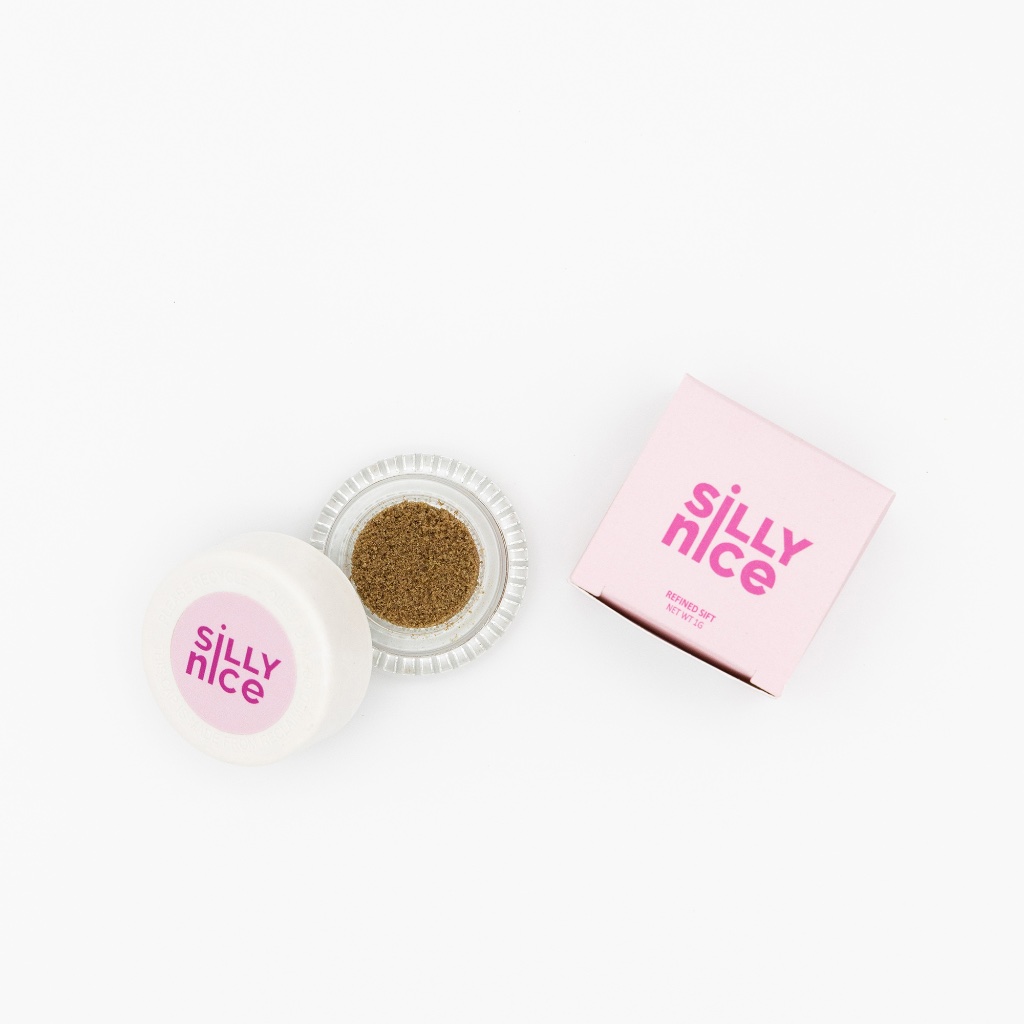
Bubble Hash — 1g | $44 MSRP | 53.32% THC | 6.2% Terpenes
This is a product that speaks directly to the terpene-forward consumer. At 6.2% terpenes, the Silly Nice Bubble Hash delivers a full-spectrum experience that reflects how the source flower actually smells and feels — not a stripped-down concentrate chasing just THC numbers. For consumers learning to read terpene content as a quality indicator, this is a reference point.
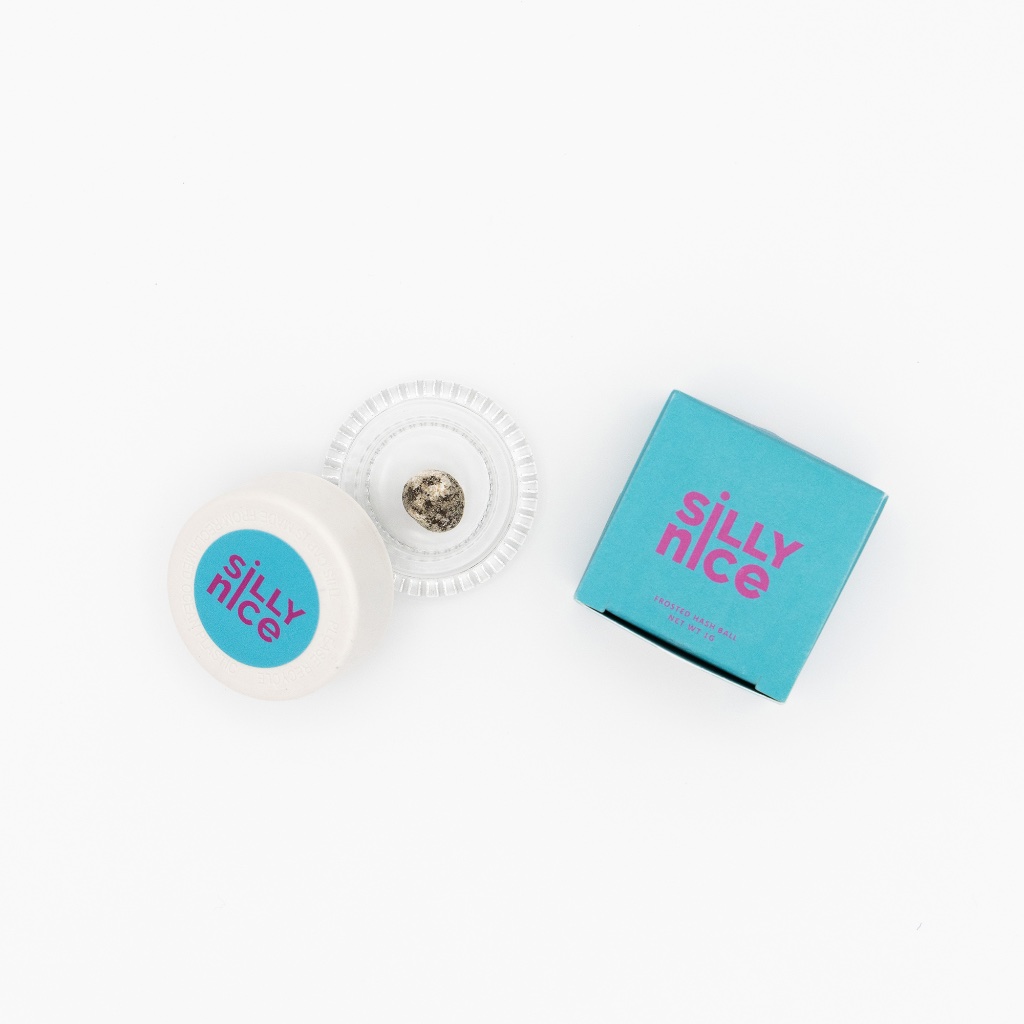
Frosted Hash Ball — 1g | $50 MSRP | 67.34% THC | 5.7% Terpenes
An artisan product for consumers who want something that looks, feels, and hits like craft cannabis. The Frosted Hash Ball holds 5.7% terpenes alongside serious potency — and it's the kind of product that rewards slowing down and paying attention.
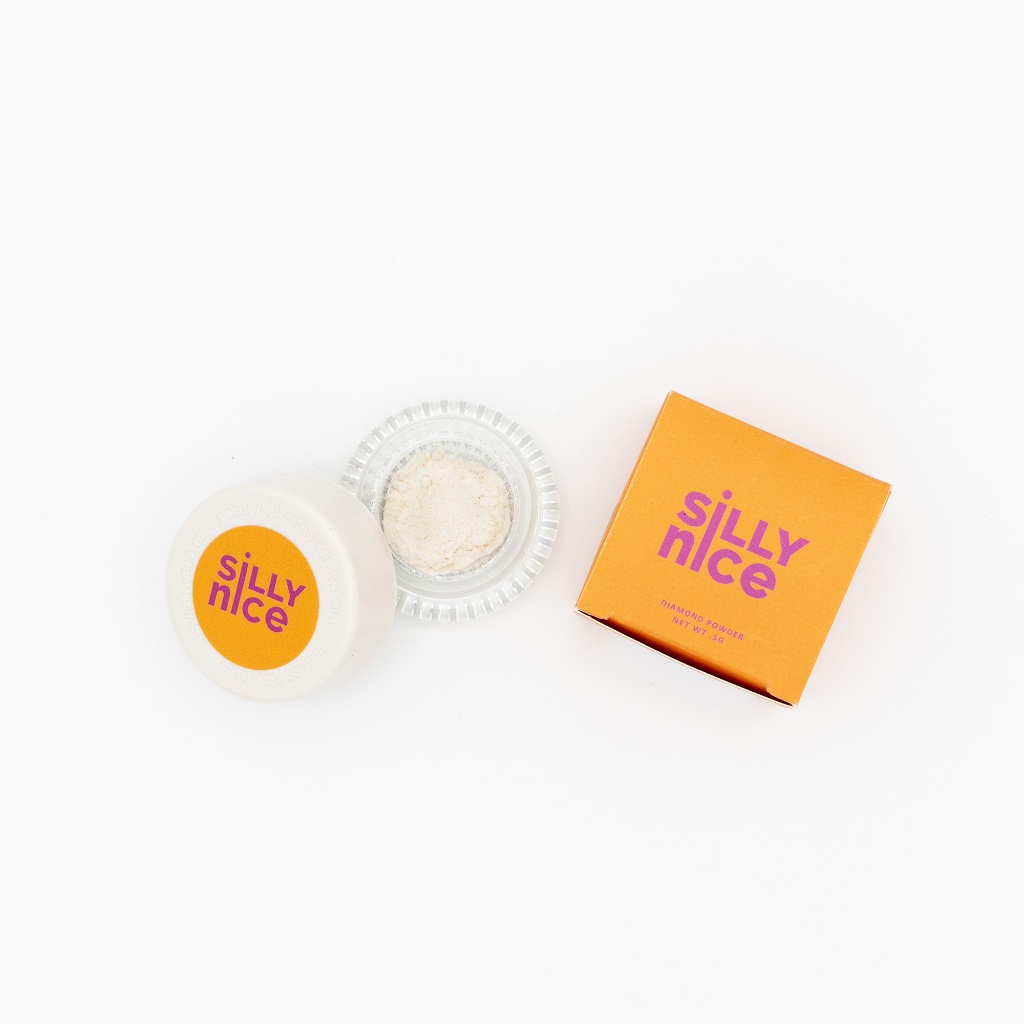
Diamond Powder — 1g | $50 MSRP | 86.24% THC
For consumers who want maximum potency in a versatile format, Diamond Powder delivers. At 86.24% THC, this is a concentrate for experienced consumers — the kind of product you dose carefully and use intentionally.
510 Vape Cartridge — Pink Stardust | 1g | $40 MSRP | 81.96% THC
The 510 format is consistently one of the most popular with women consumers for its convenience, discretion, and dose control. Pink Stardust hits at 81.96% THC with a strain-specific profile that stands out on a licensed dispensary shelf.
2G All-In-One Vape — Alaskan Thunder Fuck | $80 MSRP | 82.46% THC
Two grams, no batteries required, and a strain name that announces itself. ATF is a classic that Silly Nice treats seriously — 82.46% THC in a self-contained format that's as practical as it is premium.
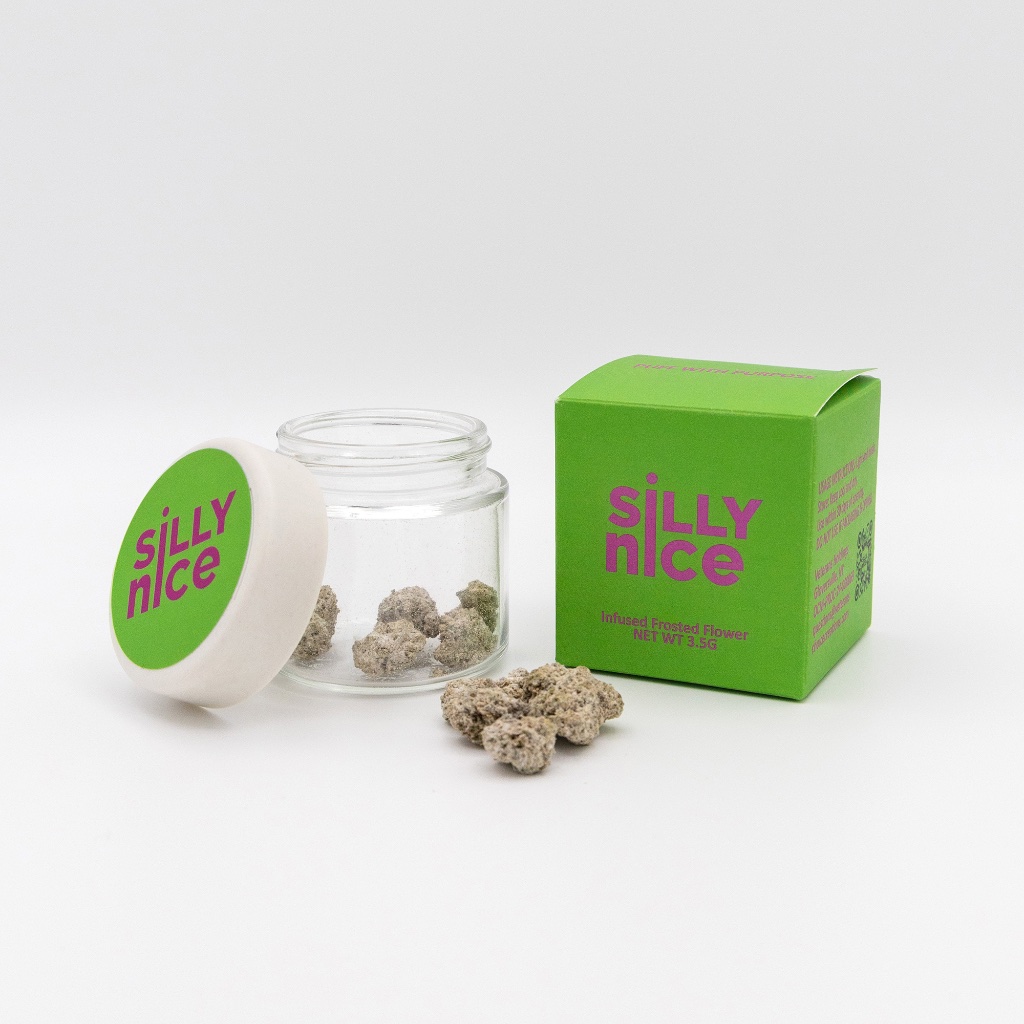
Infused Flower — 3.5g | $60 MSRP | 51.22% THC
There's an entire generation of New York cannabis consumers returning to or discovering flower for the first time through the legal market. Infused Flower at 51.22% THC brings intensity to that experience while keeping the format familiar and approachable.
Browse the full Silly Nice lineup at licensed dispensaries near you →
165
NY Dispensaries
100%
NY Grown
6 SKUs
All Lab-Tested
Common Misconceptions Debunked
Misconception 1: "Cannabis equity programs are just PR." New York's equity framework is statutory — it's written into law, not a marketing tagline. The OCM has specific mandates around equity applicant prioritization, and the Social Equity Cannabis Investment Fund represents hundreds of millions in committed capital. That said, implementation has been imperfect, and advocates continue to push for faster and more complete delivery on the law's promises.
Misconception 2: "Women aren't really in the industry — they're just in front-of-house roles." Women in New York cannabis are cultivators, extraction technicians, lab directors, compliance officers, brand founders, and investors. The idea that women occupy only consumer-facing roles reflects an outdated bias, not industry reality.
Misconception 3: "High THC is always better." This is one the growing community of sophisticated women consumers is actively dismantling. Terpene percentage, entourage effect, cannabinoid ratios, and personal biology all factor into the actual experience. A 53% THC product with 6.2% terpenes might be more satisfying for a given consumer than a 90% isolate with minimal terpene retention.
Misconception 4: "The legal market is too expensive." Compared to what? Licensed cannabis in New York comes with lab testing, traceability, and the knowledge that what's on the label is what's in the product. The price differential from the illicit market narrows considerably when you factor in safety, quality consistency, and the knowledge that your purchase supports regulated operators — many of them equity-licensed businesses — rather than undermining them.
Misconception 5: "Cannabis brands aren't really community-connected — they just say they are." Some brands mean it. Silly Nice's identity as a Black-owned, veteran-owned, family-run New York brand isn't a brand story slapped on for marketing — it's the actual origin of the company and the actual reason it exists. The difference shows in how the brand operates, where it sources, and who it's built for.
Expert Tips for New Yorkers
1. Learn to read terpene percentages, not just THC. When you're at a licensed dispensary, ask to see the full lab panel on any concentrate or hash product you're considering. Terpene percentage — especially anything above 3% — is a meaningful quality indicator. The Silly Nice Bubble Hash at 6.2% terpenes is an example of what that actually looks like in practice.
2. Ask your dispensary who the brand is. Before buying, ask: Who makes this? Where is it grown? Is this a Black-owned brand? A women-owned brand? A veteran-owned brand? New York has built equity into its licensing — your question supports operators who earned that status.
3. Match the format to your lifestyle. If discretion and dose control matter, the 510 cartridge format or an All-In-One vape is practical. If you want to understand cannabis more deeply, start with flower or hash — formats where the sensory profile teaches you something.
4. Use the OCM's tools. The Office of Cannabis Management maintains resources for consumers, including information on licensed dispensaries and how to verify legal operations. Buying from unlicensed sources — no matter how convenient — undermines the equity framework New York built.
5. Support brands that publish real data. If a brand can't or won't tell you the terpene profile, the cultivation source, and the testing lab, that's information. Brands operating at a premium level in New York's legal market should be able to answer those questions.
Find Silly Nice at licensed dispensaries across New York →
What New Yorkers Are Saying
"Bought the Diamond Powder from a dispensary on Fulton Street and I've been telling everyone since. I'm an experienced smoker, been at this for years, and I was skeptical about the price point until I actually tried it. One micro-dab and I understood immediately. 98.54% total cannabinoids is not marketing. The lab results are public and real. Silly Nice doesn't play games with their numbers and that means everything to me as a consumer."
Terrence
Bed-Stuy, Brooklyn · Diamond Powder
"I write music and the Frosted Hash Ball has become part of my creative process in a real way. Something about the ritual of it, the way you prepare it, the way it smells, puts me in a headspace that's open and receptive. I've written three songs in the past month that I'm genuinely proud of. That hasn't happened in a while. The Linalool terpene profile is calming without being sedating. It's the perfect balance for making something from nothing."
Simone
Crown Heights, Brooklyn · Frosted Hash Ball
"Diamond Powder from Silly Nice is the real deal. One small dab and you understand exactly why this brand has the reputation it does. 86% THC and it hits clean every time. Nothing else comes close."
Malik
Harlem, Manhattan · Diamond Powder
Frequently Asked Questions
Q: What protections exist for women-owned cannabis businesses in New York?
New York's MRTA includes social equity provisions that prioritize certain applicant categories in licensing, including women from communities disproportionately impacted by cannabis prohibition. The OCM has also worked to develop technical assistance and mentorship resources for equity applicants, and the Social Equity Cannabis Investment Fund is designed to provide capital access to licensed equity operators. While the implementation timeline has faced criticism for delays, the structural commitment to inclusion is legally mandated — not discretionary. Women entrepreneurs entering the space in New York have access to resources that don't exist in most other states. Advocates continue to push the OCM for faster, more equitable rollout of these commitments.
Q: Are women the fastest-growing demographic of cannabis consumers in New York?
Nationally, women represent the fastest-growing cannabis consumer demographic, with consumption rates increasing more than 25% since 2020 according to Headset Analytics data. New York mirrors this trend, driven by the legalization of adult-use cannabis, increased product sophistication, and growing cultural normalization. Women consumers in New York skew toward higher-quality products, greater product transparency, and formats that offer dose control and discretion — including vape cartridges, concentrates, and infused products. This shift is influencing how brands develop products and how retailers curate their shelves in the New York market. Brands that speak to the full consumer experience — not just THC percentage — are resonating with this demographic most effectively.
Q: How do I know if the cannabis brand I'm buying supports equity values?
The most direct way is to ask — at the dispensary, or by researching the brand before you buy. Brands with genuine equity identities will typically have transparent ownership stories, real connections to the communities they represent, and a verifiable history in the state's licensed market. Silly Nice, for example, is publicly Black-owned, veteran-owned, and family-run — not a claim buried in fine print, but the actual identity of the company. Beyond individual brand research, you can look for OCM licensing information that identifies equity-licensed operators. Buying from licensed dispensaries rather than unlicensed sources ensures your purchase stays within the regulated framework that equity licenses depend on.
Q: What cannabis products are best for first-time or returning women consumers?
There's no single answer, because "best" is always personal — but there are useful principles. First-time or returning consumers generally benefit from starting with lower-potency formats and building up gradually. Flower is a format where potency is more moderate and the experience is familiar; infused flower can elevate that. For consumers who want discretion and dose control, the 510 vape cartridge format — like Silly Nice's Pink Stardust at 81.96% THC — is popular because each draw is a manageable, repeatable dose. Concentrates like Bubble Hash offer a terpene-rich experience for consumers ready to explore beyond flower. Whatever the format, starting low and going slow remains the most useful practical guidance regardless of experience level.
Q: Is Silly Nice available near me in New York?
Silly Nice is distributed across 150+ licensed dispensaries throughout New York State, covering New York City and many upstate markets. The best way to find the nearest licensed location carrying Silly Nice products is to use the dispensary locator at sillynice.com/dispensaries. Silly Nice is a brand — not a retail location — so products are purchased through licensed dispensary partners. The online menu at sillynice.com/menu shows the full current product lineup, and you can confirm availability with your preferred dispensary directly. As the New York market continues to expand, Silly Nice's dispensary footprint grows with it.
Q: How is New York's cannabis industry different from other states when it comes to equity?
New York's MRTA is widely considered one of the most equity-forward cannabis laws in the country — not because it's perfect, but because equity is structural, not cosmetic. The law mandates that 50% of licenses go to social equity applicants, created a dedicated equity investment fund, and required that communities most harmed by prohibition have first access to the commercial market through programs like CAURD. Most states that have legalized cannabis have added equity language without meaningful enforcement mechanisms. New York, by contrast, has built equity into the actual licensing sequence. Critics — including many equity advocates — have pushed back on implementation delays and bureaucratic obstacles, and those critiques are valid. But the underlying architecture is genuinely different from what's been built elsewhere, and it matters for how the New York market develops.
For the full Silly Nice product lineup and to find a licensed dispensary near you, visit sillynice.com/menu and sillynice.com/dispensaries. For more cannabis education content, explore sillynice.com/learn.