The Mohawk Valley has long been defined by what remains after the factories shuttered. Amsterdam, Gloversville, and Johnstown occupy a distinct space in the state’s interior, connected more by their industrial legacies than by the miles of rural road between them. The carpet mills of Amsterdam and the glove-making workshops that gave the other two cities their identity once dictated the rhythm of daily life. Today, those neighborhoods are navigating a quiet transition where retail windows are finding new purpose. The arrival of an amsterdam ny cannabis dispensary in such a setting is not just a commercial event; it is a signal that the town is participating in a modern, regulated industry that operates on its own terms.
The Industrial Legacy and the Modern Storefront
When the heavy industries left these river and valley towns, they left behind a specific architectural imprint. Large brick structures, once teeming with shifts of workers, became the backdrop for a retail landscape that had to fight to keep its footing. In many ways, the arrival of a single, compliant, and well-lit storefront acts as a pivot point for a downtown block. It brings a new kind of pedestrian traffic to areas that have relied on through-traffic for decades. Because these cities are spread out across Fulton and Montgomery counties, the proximity of a shop matters. A store does not just occupy space; it alters the perceived viability of a street. Residents who are accustomed to empty storefronts suddenly see a business that requires consistent upkeep, licensing, and professional staff. It turns a static corner into a destination, suggesting that the era of complete disinvestment might be drawing to a close.
For the consumer, the change is subtle but persistent. Previously, the habit of driving to a larger city for specialty goods was simply the price of living in the valley. If you wanted a specific product, you planned an afternoon around a trip to the capital region or further afield. This drive-to-the-bigger-city habit is deeply ingrained in the regional psyche. However, the presence of a local licensed retail point disrupts that requirement. It encourages the logic of staying local, providing an option for those who would prefer to support their own immediate geography rather than funneling their routine errands toward bigger urban centers. It is a return to a village-based retail model where your immediate community satisfies your needs, even if that market is still in its infancy and finding its balance.
Why Distance Between Small Cities Matters
The geography of the Mohawk Valley is characterized by the rural distance that separates its small cities. Amsterdam, situated on the Mohawk River, feels distinct from the upland climb toward Gloversville and Johnstown. These are not suburbs of one another; they are separate municipal entities with their own tax bases, school districts, and downtown priorities. When you look at the map of licensed New York dispensaries, the gaps between these cities highlight how dispersed the population truly is. Unlike a borough in New York City where a store might be a ten-minute walk away, here, the store is often a car ride away, across country roads that carry their own seasonal challenges. This distance makes the emergence of any new retail spot a significant local event, as it serves a broader catchment area than a shop in a dense metro center.
This rural separation forces a specific type of planning on the consumer. You do not just run out for a quick errand; you account for the travel, the time of year, and the specific needs of your household. Whether you are looking for flower or a convenient aio device, the decision to head out is influenced by the weather and the road conditions of the valley. A shop in Gloversville might be the natural hub for the surrounding towns, while a shop in Amsterdam serves a different corridor entirely. The state’s rollout of retail has been necessarily deliberate, and for residents, it means that access remains a patchwork rather than a universal certainty. If you are curious about what is currently available, using an official dispensary locator is the only way to confirm which storefronts are actually open for business today.
The Case for Buying Local in the Valley
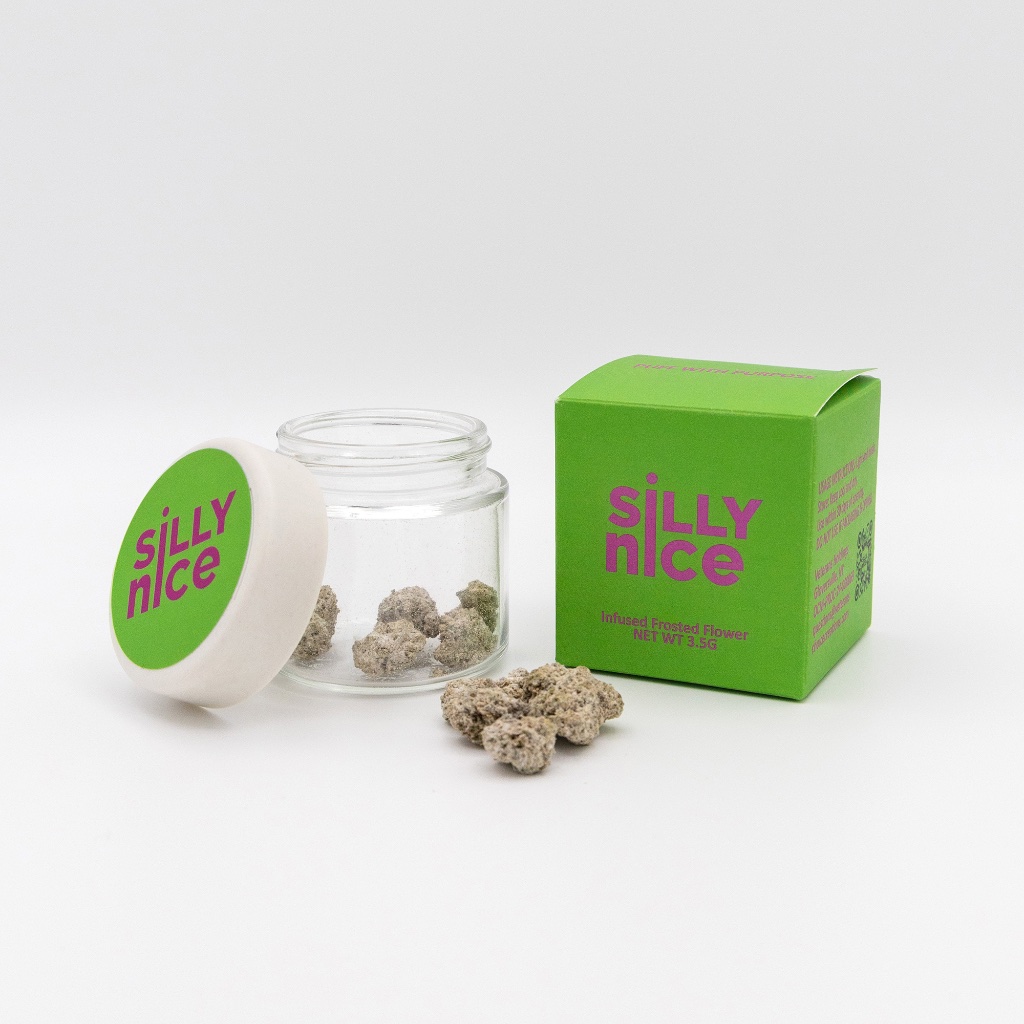
There is a quiet, principled argument for buying local in a place that has historically rarely had the option. When you purchase from a local shop, you are engaging with the local economy rather than exporting your resources elsewhere. For a brand like Silly Nice, which produces small-batch, hand-finished goods, the ability to reach a customer in a smaller city is part of a broader vision of accessibility. Our products—ranging from a frosted hash ball to various infused flower formats—are designed for those who appreciate the craft of the process. Being a Black-owned, veteran-owned, and LGBTQ-owned business from Brooklyn adds a layer of diversity to the shelves of these valley stores. It is about bringing a wider range of perspectives and high-quality production standards to regions that are often overlooked by national retail trends.
When you choose to shop at a store within your own county, you support the staff, the leaseholder, and the local tax revenue. This is significant for cities like Johnstown, which are constantly working to bring new life to their historic downtown cores. It shifts the dynamic from a town that merely consumes to a town that hosts a thriving, modern enterprise. It is a small but essential component of regional revitalization, providing a sense of agency to consumers who want to participate in the legal market without spending their entire Saturday on the highway. This transition mirrors what we have seen in other parts of the region, such as in Utica and Rome: Cannabis in the Mohawk Valley, where the retail footprint is slowly filling in the blanks of the local map.
Planning Your Shopping in a Changing Region
The holiday season, particularly leading up to dates like Thanksgiving or the winter solstice, highlights the importance of planning. In a rural or semi-rural environment, accessibility can be seasonal. If you are preparing for a gathering or simply stocking up for the winter months, understanding the reality of your local retail landscape is a prerequisite for a stress-free experience. The Holiday Cannabis Shopping Across New York guide offers a good overview of how to manage these logistics without running into the common pitfalls of holiday retail rush. Remember that the hours of operation are always subject to the individual store owner's discretion and local municipal regulations, so a quick check online before you head out is standard procedure for any savvy consumer living outside the major urban hubs.
The Mohawk Valley is not a monolith, and its relationship with legal cannabis is evolving city by city. While some locations have embraced the transition with open doors and renovated spaces, others remain in a period of bureaucratic or developmental patience. This variance is precisely why it is dangerous to assume you know what is open until you check. The retail landscape in this part of the state is not built on the assumption of immediate, 24-hour convenience; it is built on the reality of slow, steady, and licensed expansion. As we have documented elsewhere in the state, such as in Schenectady and Rotterdam: Reinvention and Retail, the process of integrating these stores into the existing fabric of a town is a task that takes both time and community support.
The Future of Retail in the Valley
As we move into 2027, the focus for many of these small cities will shift from the novelty of the first shop to the long-term sustainability of the sector. The goal is to establish a market that is reliable for the adult consumer and respectful of the town's history. It is about creating a commercial presence that does not scream for attention but quietly provides a service. The physical form of these shops—often small, intimate, and focused on quality over quantity—is a good match for the scale of Amsterdam, Gloversville, and Johnstown. These are not high-volume, impersonal urban warehouses; they are retail spaces where a conversation about the difference between a diamond-frosted flower and a standard bud can actually happen.
For the consumer who has lived through the lean years of limited retail options, the presence of these stores is a tangible indicator of progress. It is a sign that the Mohawk Valley is capable of holding its own in a modern, regulated market. Whether you are looking for a reliable cartridge or something more specialized like bubble hash, the key is to understand that the system works best when you participate in it locally. By keeping your business within your community, you contribute to a cycle of reinvestment that is visible on Main Street. It is a small part of a larger, ongoing story, but for the person walking down the block to make a purchase, it is a significant improvement in their daily convenience and a boost for their home city.
A Responsible Approach to the New Market
Finally, it is essential to emphasize that with greater access comes the responsibility of being a thoughtful consumer. The products available today are the result of stringent testing and regulatory oversight by the New York State Office of Cannabis Management. This means that the quality and safety profiles are consistently managed, providing a level of transparency that was never available in the previous, unregulated era. Whether you are choosing a specific cultivar for its aromatic profile or selecting a particular concentrate for its texture, remember that the experience is always individual. Consume with intent, be mindful of the rules regarding where and how you enjoy your purchases, and always prioritize the safety of yourself and others.
The valley’s small cities are in the middle of a long transition, and the integration of cannabis retail is just one piece of that transformation. It will not solve every economic challenge, nor will it overnight turn a quiet street into a bustling thoroughfare. However, it provides a legitimate way for adults to access goods, supports local entrepreneurs, and fills a gap in the local service economy that has been empty for far too long. As the shops establish themselves and the community adjusts to the new normal, the focus will likely turn to the quality of the service and the deepening of the relationships between the stores and their regular customers. To find the specific location nearest to you, you can always check the official Silly Nice store locator.
Available Now
Check the Silly Nice dispensary locator for a licensed store near you
Topics


