The Story Nobody Told Before the Licenses Arrived
Before the dispensaries opened. Before the license applications. Before the tax revenue projections and the press releases and the ribbon cuttings — there were people. Black people. Brown people. People from Harlem, from Bed-Stuy, from the Bronx and Jamaica, Queens, who had been building a cannabis economy with their bare hands for decades, absorbing all of the risk and receiving almost none of the reward. We know this story personally. We live it. And as a Black-owned, Veteran-owned, family-run brand born in Harlem, we believe it is our responsibility to tell it honestly.
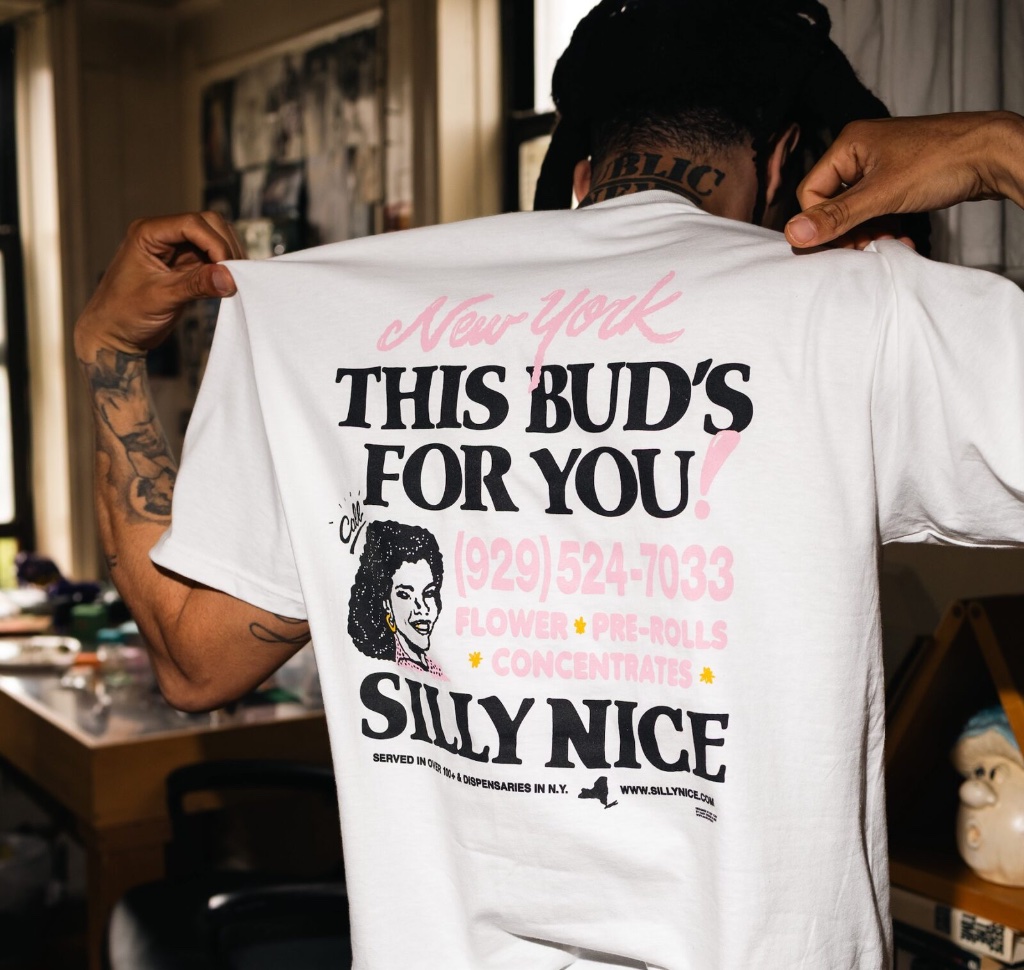
When we launched Silly Nice in March 2024, we weren't walking into an empty room. We were walking into a room that our community had already built, furnished, and paid for — sometimes at devastating personal cost. The legal cannabis industry in New York did not appear from thin air. It was built on the foundation of generations of Black and Brown entrepreneurs who operated in the shadows of criminalization, who understood the plant, who cultivated community trust, and who kept entire neighborhoods supplied long before any regulator wrote a single rule. We carry that history with us every single day.
What Criminalization Actually Looked Like on Our Blocks
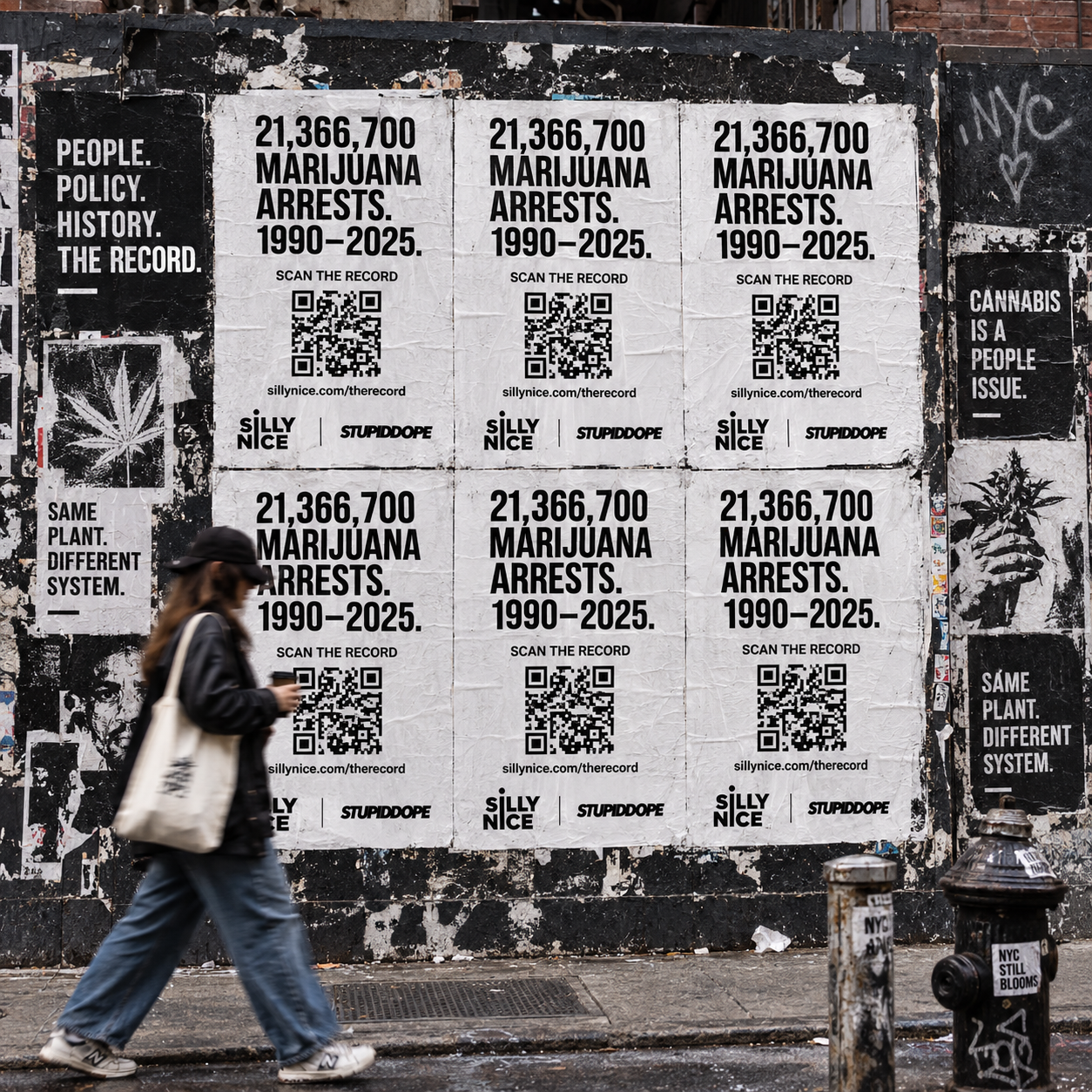
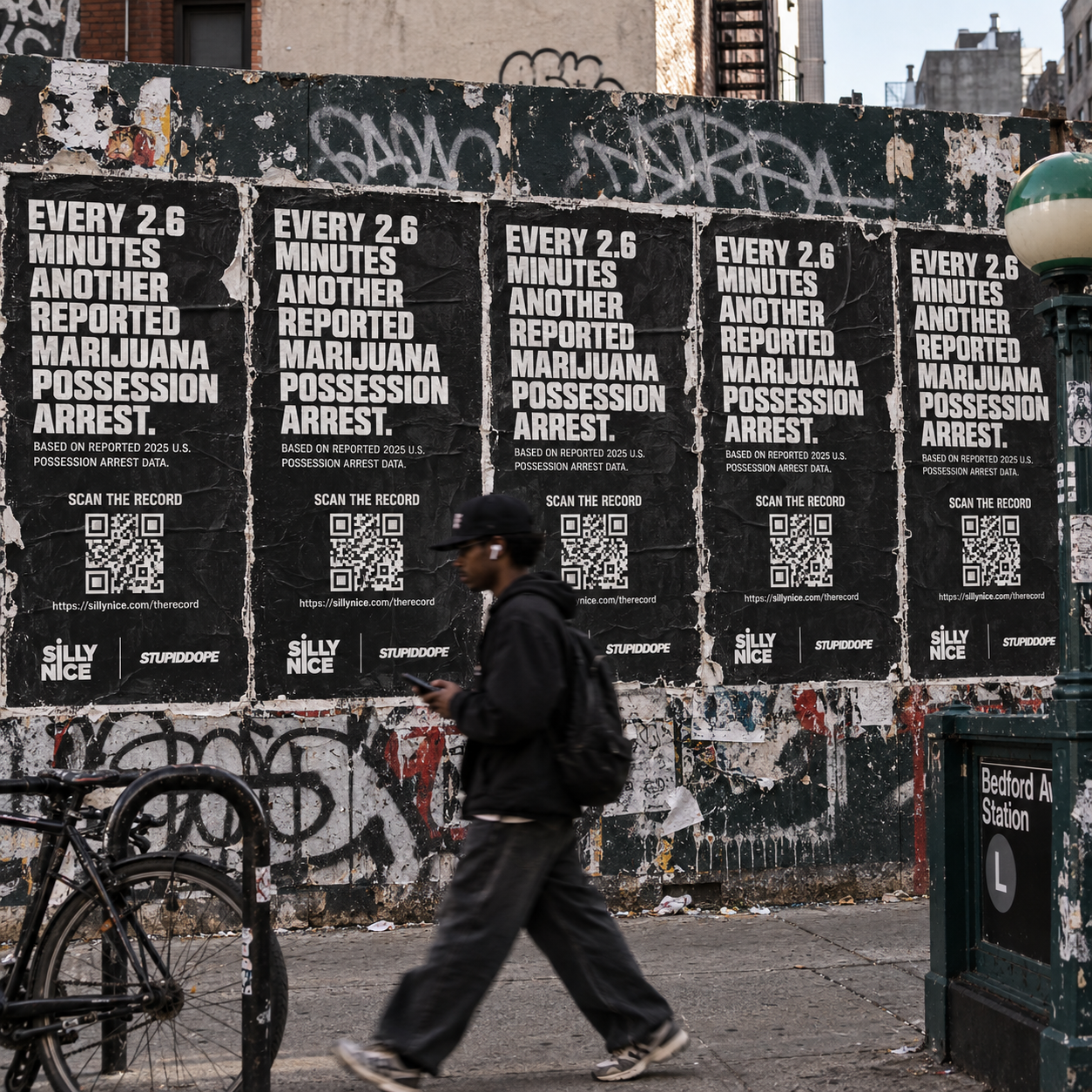
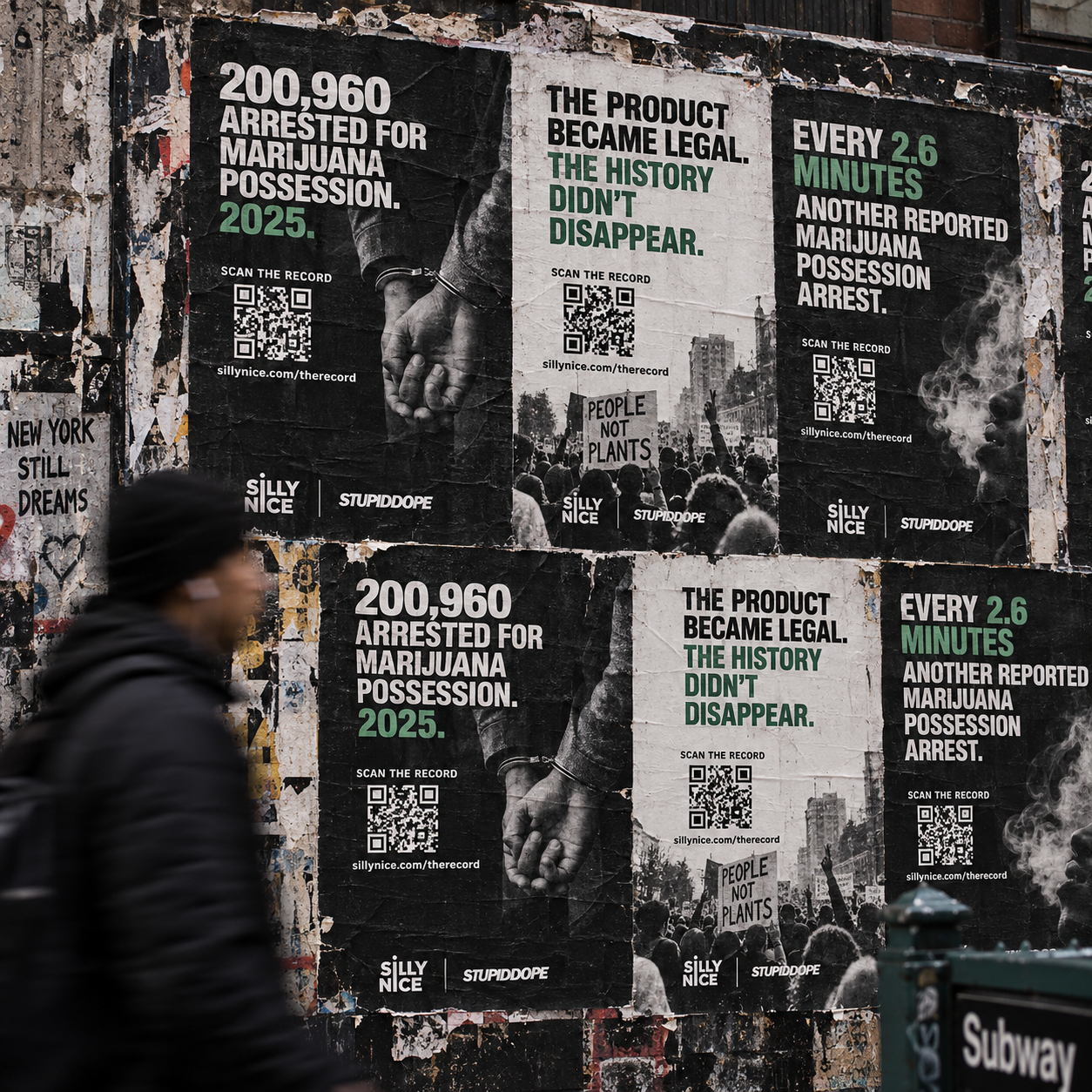
New York City spent decades as one of the most aggressively policed cannabis markets in the United States. The NYPD's stop-and-frisk era — which peaked in the early 2010s with hundreds of thousands of stops per year — disproportionately targeted Black and Latino men, and cannabis charges were among the most common outcomes. A 2013 report found that New York City arrested more people for low-level cannabis possession than any other city in the country, and over 85% of those arrested were Black or Latino. These were not kingpins. These were people from our neighborhoods, many of them entrepreneurs in every practical sense of the word.
The irony runs deep. While Black New Yorkers were being handcuffed for cannabis on street corners, wealthier, predominantly white consumers were purchasing from personal networks with near-total impunity. The enforcement was never really about the plant. It was about control, about who was allowed to profit, and about which communities bore the burden of a war that was never meant to be won — only waged. We don't say this to be inflammatory. We say it because it is the documented truth, and because understanding it is essential to understanding why Black-owned cannabis businesses in New York mean what they mean right now.
The Underground Entrepreneurs Who Never Got Credit
There is a particular kind of business acumen that gets developed when you have to operate without banks, without lawyers, without licenses, without insurance, and without the protection of the law. The Black cannabis entrepreneurs who ran New York's informal market understood supply chains, customer relationships, quality control, and community reputation in ways that most MBA programs don't teach. They knew their product. They knew their clientele. And they built loyalty that lasted years, sometimes decades, because their business depended entirely on trust.
We think about those people constantly. Some of them are our family members. Some are our neighbors. Some are people we served alongside in the military who came home and found that the same system that sent them to war wouldn't let them build a business in peace. These were not criminals in any meaningful moral sense — they were entrepreneurs operating in a criminalized market, and they deserve to be recognized as the original architects of what New York's legal cannabis industry is now trying to become. Their knowledge, their networks, and their sacrifices created the demand and the culture that made legalization politically viable in the first place.
The Generational Wealth That Was Never Built
One of the most painful parts of this history is the wealth calculation. Every dollar that cycled through New York's informal cannabis economy was a dollar that could not be invested in a business account, used as collateral for a loan, reported as income for a mortgage application, or passed down as a documented asset to a child. The informal market generated real economic activity, but it generated almost none of the institutional wealth-building mechanisms that legal businesses take for granted. Entire communities absorbed the risk of that economy while being systematically excluded from building lasting prosperity from it. The arrest records left behind made the situation even worse, serving as permanent barriers to future employment, housing, and business licensing.
What the MRTA Was Supposed to Change — and What It Still Has to Prove
New York's Marihuana Regulation and Taxation Act, signed into law in March 2021, included some of the most ambitious social equity language of any cannabis legalization in the country. It prioritized licensing for people with prior cannabis convictions and their family members, directed a portion of tax revenue toward reinvestment in communities most harmed by the drug war, and explicitly named racial justice as a central goal. On paper, it represented a genuine acknowledgment of the history we've been describing. The state understood — or at least claimed to understand — that legalization without equity would simply be a new version of the same exclusion.
The implementation has been messier than the vision. Delays in licensing, legal challenges from operators locked out of the process, and the chaotic proliferation of unlicensed storefronts created an environment where social equity applicants — the people the law was literally written for — often struggled the most. We're not going to pretend the road has been clean or fair. What we will say is that we made a decision to operate fully within the legal framework, to build something transparent and accountable, and to fight for our place in this market not despite that framework but through it. As of today, we're in over 150 licensed adult-use dispensaries across New York State, and every single one of our products is independently lab-tested, small-batch, and produced with the same care and precision that our community deserves.
Available Now
Find Silly Nice at a Licensed Dispensary Near You
Why We Chose to Build Inside the System We Criticized
This is the question people ask us most directly, and we respect it. Why play by rules designed by the same institutions that criminalized our communities? The honest answer is that we believe the legal market is the only place where Black-owned cannabis businesses can build lasting, transferable generational wealth — the kind that was denied to our predecessors. Operating legally means we can have bank accounts, pay taxes, build credit, hire employees with benefits, and eventually pass something real down to the next generation. It also means we can look our customers in the eye and guarantee them something the informal market never could: verified, lab-tested, transparently priced products. Our Diamond Powder, for example, tests at 86.24% THC — that number is real because it was tested. Our Bubble Hash at 53.32% THC, our Frosted Hash Ball at 67.34% — these are not marketing guesses. They are facts, and our community deserves facts.
Harlem Is Not Just Our Address — It's Our Obligation
We are from here. Harlem isn't a brand story element for us — it's where we grew up, where we came home to after service, where we raised our families, and where we decided to build something that could matter beyond ourselves. Harlem has a particular relationship with cannabis culture that goes back generations, woven into the music, the art, the social fabric of the neighborhood in ways that predate any legal conversation about the plant. When we talk about honoring the history of Black cannabis entrepreneurship in New York, we are literally talking about our block, our neighbors, our aunties and uncles, our people.
That's why we built Silly Nice the way we did — family-operated, accountable to the community first, commercial second. Every product we put on a dispensary shelf is something we would give to someone we love, which means it has to be the best version of what it is. Our Diamond-Frosted and Live Resin Infused Flower runs at 51.22% THC in a 3.5g format because we don't cut corners on the inputs. Our 2G All-In-One Vape in Alaskan Thunder Fuck hits at 82.46% THC because we source and process with the same standard we demand from everything bearing the Silly Nice name. This is not just business — it is a form of community care, and it is something the entrepreneurs who came before us understood deeply, even if they never had the legal framework to express it this way.
Supporting the Community That Built This Culture
One of the ways we try to live this history forward is by being vocal, visible, and transparent. We put our lab results online at sillynice.com/menu so that every adult 21+ who picks up one of our products knows exactly what they're getting. We work exclusively with licensed dispensaries because the licensed market is the one that is actually supposed to create the equity the law promised. We talk publicly about being Black-owned and Veteran-owned not because it's a marketing badge but because representation in this space is still profoundly uneven, and visibility matters. When a kid from Harlem sees a Black-owned cannabis brand operating legally and building something real, that is a different message than the one our community has been receiving for fifty years.
Available Now
Explore Our Full Product Menu
The Debt We Owe and the Work Still Left to Do
Equity in cannabis isn't achieved the moment a license is issued. It's not achieved when a brand gets shelf space in 150 dispensaries. It's an ongoing, daily practice of making choices that center the people who were most harmed by the old system and least served by the new one. That means advocating for conviction relief for people still carrying cannabis charges from an era when the law was a weapon aimed at our communities. It means supporting other Black-owned operators who are in earlier stages of the process. It means being honest about what still isn't working and refusing to celebrate an industry that hasn't fully kept its promise to the communities it displaced.
We believe the legal cannabis market in New York can eventually become something that reflects the diversity and the genius of the culture that built it. We also believe that will only happen if Black and Brown entrepreneurs stay in the room, stay loud, and refuse to accept a version of legalization that looks like gentrification with a different product. The people who ran those informal businesses for decades — with no protection, no resources, and no recognition — deserve to see the industry they helped create actually serve their communities. We built Silly Nice as our answer to that obligation, and we're not done yet.
What You Can Do as a Consumer
If you're an adult 21 or older shopping for cannabis in New York, you have genuine power in how this industry develops. Choosing to buy from Black-owned, licensed brands is a direct investment in the communities that built cannabis culture in this city. It's a vote for the version of legalization that was actually promised. It means something real when you walk into a licensed dispensary and ask for Silly Nice by name — it keeps us on shelves, it keeps our team employed in Harlem, and it sends a message to retailers and the broader market about what kind of industry New York is actually trying to build. We're grateful every single time, and we don't take it lightly.
This History Is Still Being Written — We're Writing It Together
The untold story of Black cannabis entrepreneurs in New York is not a finished story. It's a living one, and we are part of it. From the grandmothers who medicated quietly for decades without language for what they were doing, to the young men who absorbed criminal records for building informal businesses, to the families who lost fathers and brothers and sons to a drug war that was never really about drugs — all of them are part of why Silly Nice exists, and why we refuse to build quietly or apologetically.
We launched in March 2024 with a clear intention: to be the kind of brand that our community can claim, trust, and be proud of. Over 150 licensed dispensaries across New York State carry our products now, and we intend to grow — not just in market share, but in community impact, in transparency, and in our commitment to the people who made this possible. The next chapter of this story is being written right now, one lab-tested product, one licensed dispensary, one honest conversation at a time. We're glad you're reading it with us.
Available Now
Find Silly Nice Near You and Support Black-Owned Cannabis
Topics