Harlem Has Always Been a Place of Elevation
We are a brand born from Harlem. Not just headquartered here — born here, in the truest sense. Our roots run through these blocks, these brownstones, these corner conversations. And when we sit with the history of this neighborhood, we see something that rarely gets talked about in mainstream cannabis circles: the deep, complicated, culturally rich relationship between the Harlem Renaissance and the plant we've built our lives around.
The Harlem Renaissance — roughly spanning the 1920s through the mid-1930s — was an explosion of Black artistic genius. Literature, jazz, visual art, political thought, and a reclaiming of identity all flourished in these streets. And woven quietly through that world, in the speakeasies and rent parties, in the jazz clubs and the after-hours conversations, was cannabis. It wasn't incidental. It was cultural.
As a Black-owned, Veteran-owned, family-operated cannabis brand operating out of Harlem right now, in 2025, we feel a responsibility to honor that history — to name it, to understand it, and to carry it forward with intention. This is not just a retrospective. This is us recognizing where we come from and why what we do matters.
The Jazz Age and the Birth of a Cannabis Culture
When jazz poured out of New Orleans and made its way north to Harlem, it brought with it a culture of improvisation, late nights, and what musicians of the era called 'reefer.' Louis Armstrong, Cab Calloway, and dozens of other towering figures of the era were open about their relationship with cannabis. Calloway's 1931 song 'Reefer Man' wasn't a cautionary tale — it was a celebration, a wink to the community, a piece of shared cultural language. Cannabis was part of the creative ritual, part of the social glue of a community building something extraordinary under enormous pressure.
Harlem's rent parties — crowded apartment gatherings thrown to help families make rent, fueled by music and community — were spaces where cannabis moved freely among artists, thinkers, and working people alike. This was adult culture, community culture, and it happened right here on these same streets where we now operate.
The Criminalization That Followed Black Joy
How the War on Cannabis Was Always a War on Culture
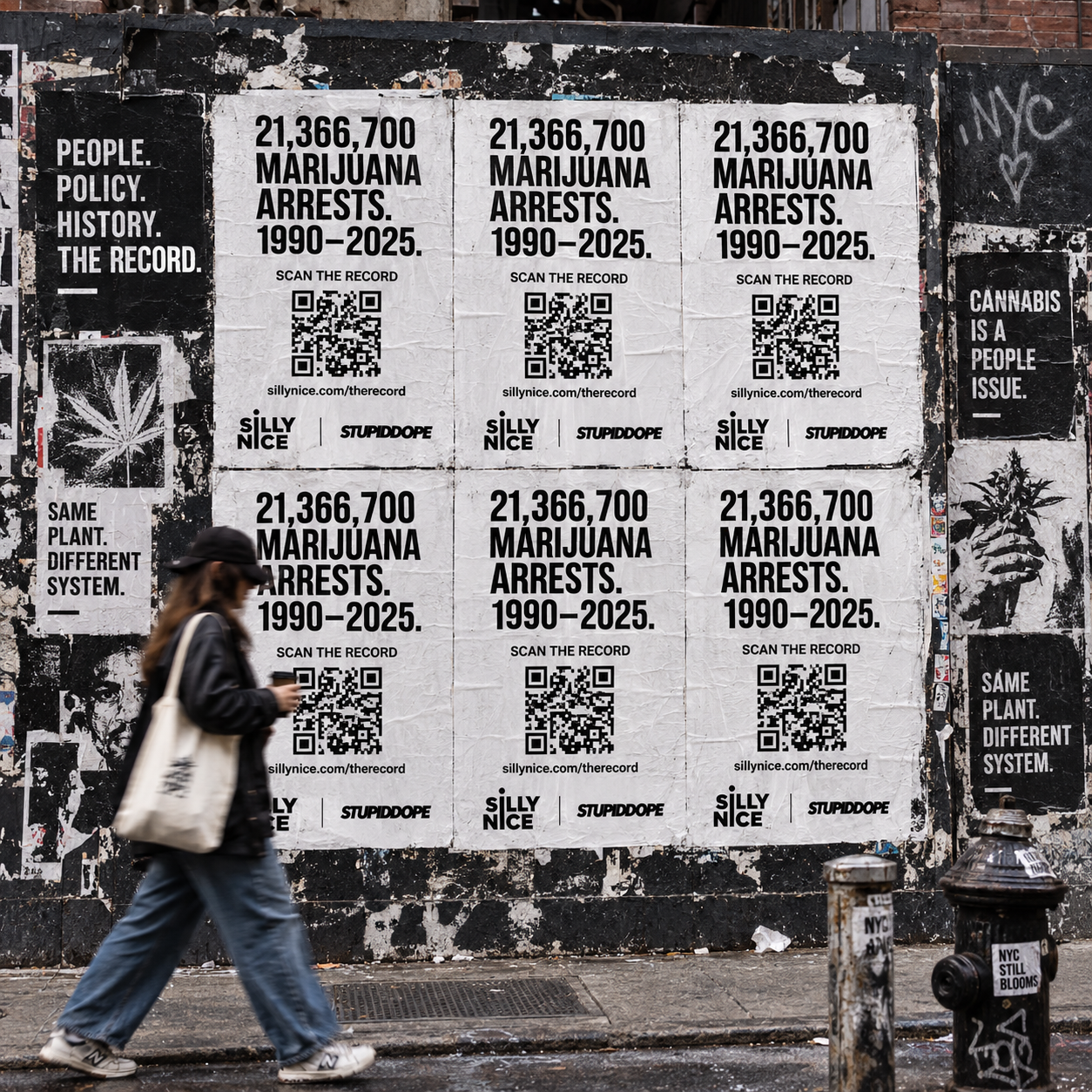
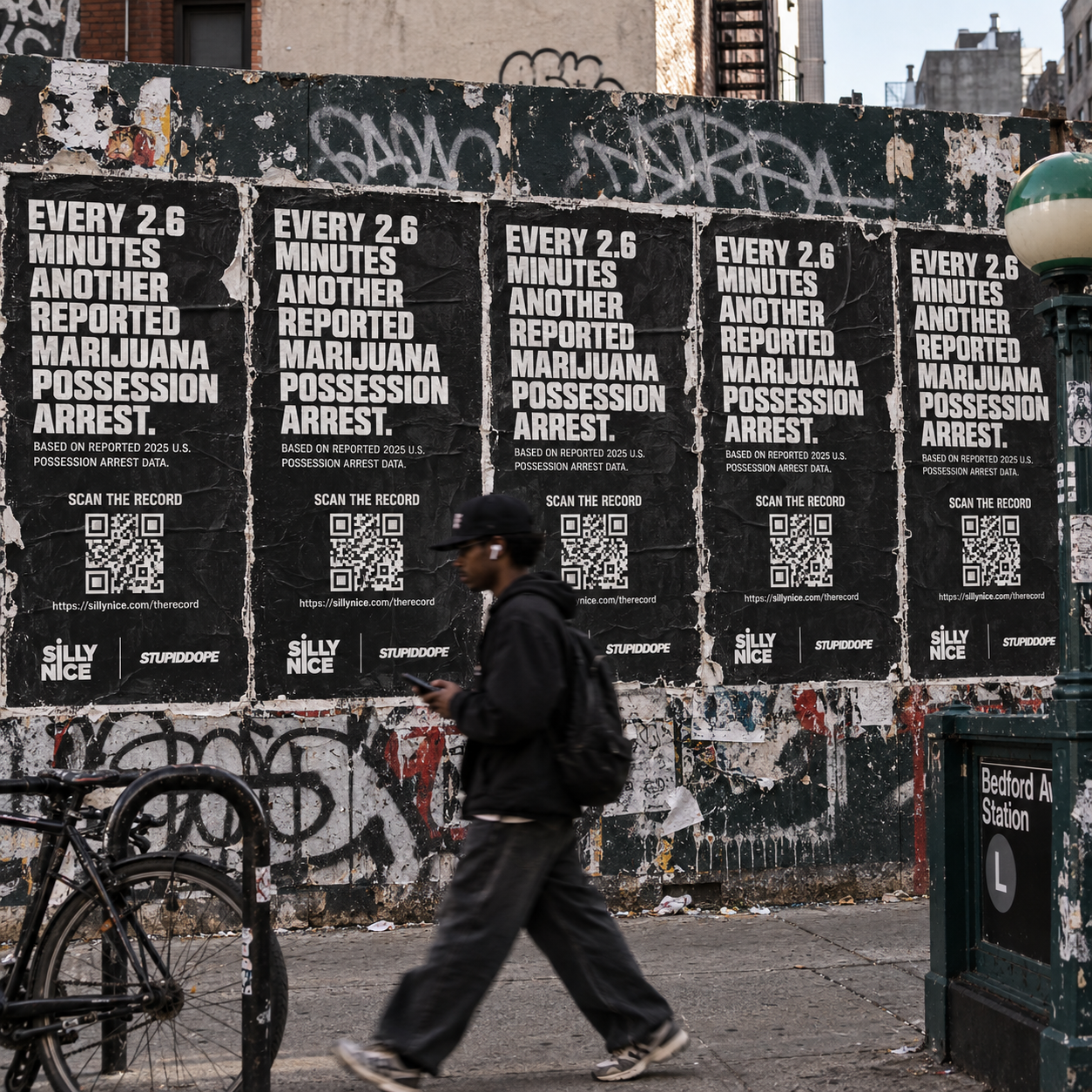
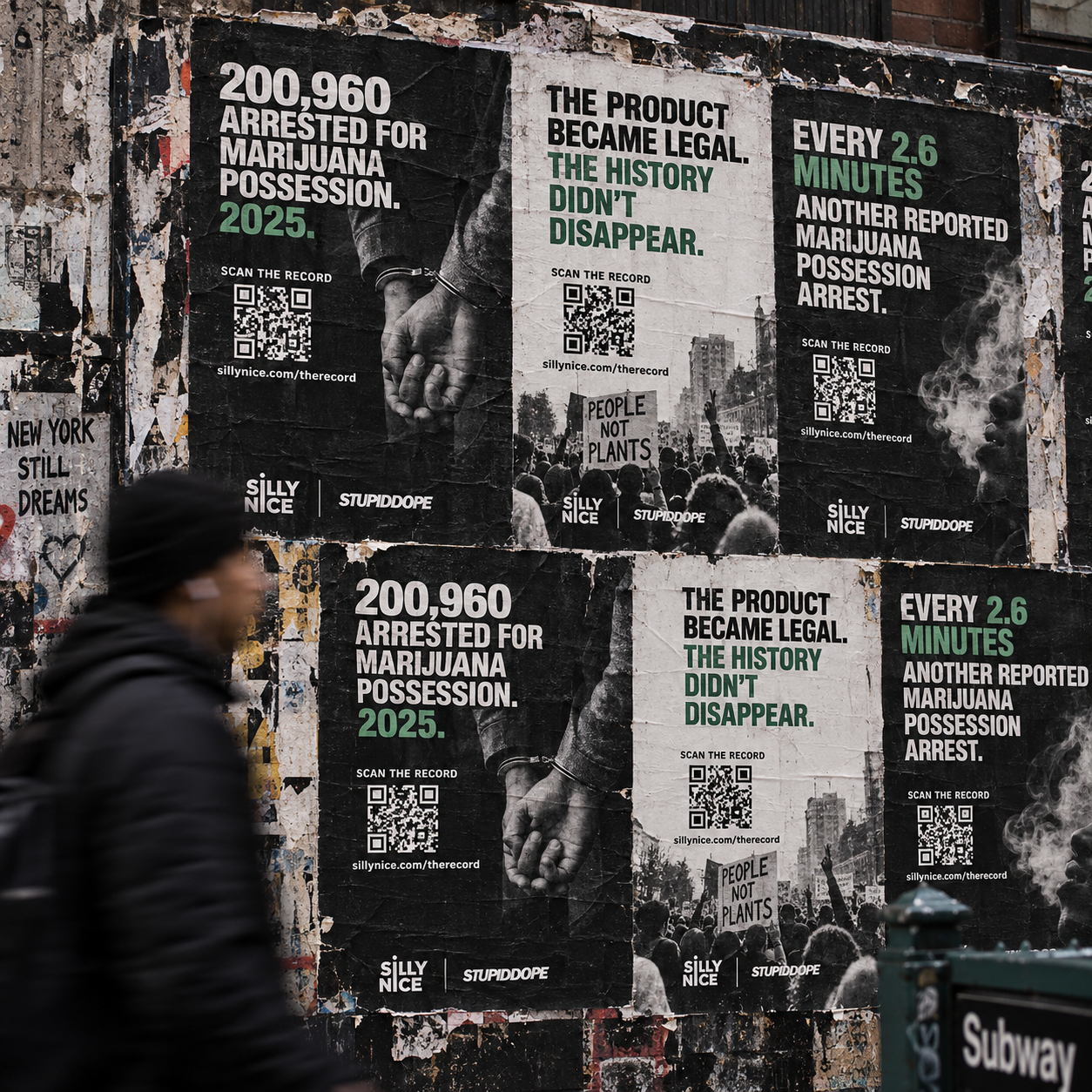
We can't tell the story of cannabis and the Harlem Renaissance without talking about what came after. The Federal Bureau of Narcotics, led by Harry Anslinger in the 1930s, launched a crusade against cannabis that was explicitly racialized. Anslinger's own documented statements connected cannabis to Black jazz musicians, to immigrants, to people the establishment feared. The Marihuana Tax Act of 1937 was the government's answer to a culture it couldn't control — and Black communities paid the price for generations.
Harlem, which had been a creative sanctuary, became a target. The same communities that had built something extraordinary — that had produced Langston Hughes, Zora Neale Hurston, Duke Ellington, and so many others — were now subject to intensifying policing around a plant that had been part of their cultural fabric. The criminalization of cannabis was inseparable from the criminalization of Blackness. That is not rhetoric. It is documented history.
Understanding this history is part of why we exist. When we launched Silly Nice in March 2024, we weren't just starting a cannabis company. We were reclaiming something. Every small-batch product we put on shelves in 150-plus licensed New York dispensaries carries the weight of that reclamation — and the pride of doing it right, legally, transparently, with lab results posted publicly at sillynice.com/menu.
Creative Community and the Cannabis Ritual
What the Renaissance Teaches Us About Intentional Consumption
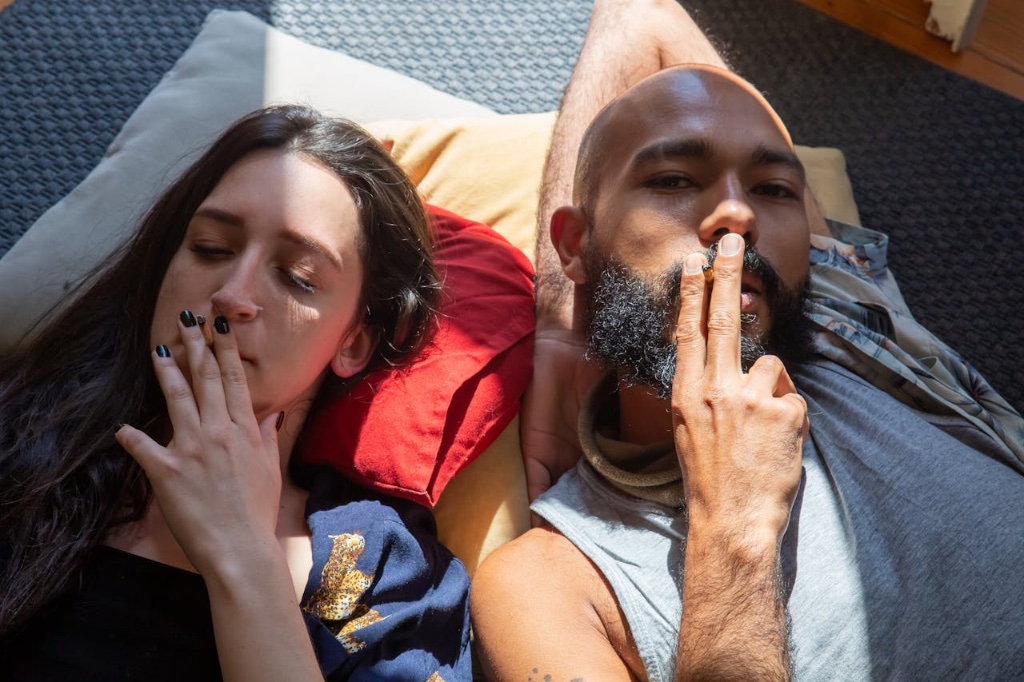
One of the things we find most inspiring about the Harlem Renaissance relationship with cannabis is how intentional it was. This wasn't mindless consumption — it was woven into creative rituals, social bonding, and the pursuit of something higher. Artists used it to unlock improvisation. Communities used it to exhale after brutal days in a world that did not grant them dignity. It was, for many, a moment of peace and presence in lives that offered very little of either.
We think about that when we craft our products today. Our Diamond-Frosted and Live Resin Infused Flower — a 3.5g offering at 51.22% THC — is built for adults who want a full, intentional experience. Our Diamond Powder at 86.24% THC and our Frosted Hash Ball at 67.34% THC are for those who know exactly what they're looking for. These are products designed with care, tested independently, and made for adults 21 and older who choose to consume thoughtfully. That intention honors the tradition we're drawing from.
Available Now
View Our Full Menu
Harlem's Literary Giants and the Unspoken Presence
Reading Between the Lines of Renaissance Literature
The literary output of the Harlem Renaissance was staggering — and while cannabis doesn't appear prominently in the pages of Hughes or Hurston, the social world those pages emerged from was one where the plant was present. The rent parties Langston Hughes attended, the jazz clubs he moved through, the late-night conversations that shaped his voice — cannabis was in that air. The Renaissance was a movement of the senses, of cultural pride, of community gathered close, and cannabis was part of what made those gatherings feel like sanctuary.
What strikes us most is how the literature of the Renaissance captured the full humanity of Black life — joy, grief, resilience, creativity — without apology. That same spirit drives how we talk about our brand. We don't shy away from who we are. We are Black. We are veterans. We are from Harlem. We make exceptional cannabis products because our community deserves exceptional things, and we carry that with the same unapologetic pride that Hughes brought to every line he wrote.
From the Apollo to the Dispensary: A Continuing Legacy
What It Means to Be a Cannabis Brand in Harlem Right Now
Walking these streets every day, we feel the Renaissance beneath our feet. The Apollo Theater still stands on 125th. The brownstones that housed generations of Black artists and thinkers are still here — some worn, some restored, all carrying memory. Harlem is a neighborhood that has survived displacement, gentrification, economic cycles, and policy failures, and it has remained, at its core, a place of extraordinary Black cultural power. We are deeply proud to be part of that.
Our 510 Vape Cartridge in Pink Stardust at 81.96% THC and our 2G All-In-One Alaskan Thunder Fuck Vape at 82.46% THC aren't just products — they're an expression of who we are and where we're from. Our Bubble Hash at 53.32% THC connects to a centuries-old tradition of concentrated cannabis craft. Everything we make is small-batch, sustainably packaged, and independently lab-tested, because we will not offer our community anything less than our absolute best.
When we expanded to over 150 licensed New York dispensaries since launching in March 2024, we felt the weight and the joy of that milestone. Availability matters. Access matters. The communities most harmed by prohibition should have the most access to legal, quality cannabis — and we intend to be part of making that real.
Available Now
Find Silly Nice Near You
Cannabis Equity Is a Renaissance Value
Ownership, Representation, and the Fight That Isn't Over
The Harlem Renaissance was, at its heart, about self-determination. It was Black artists, Black thinkers, and Black entrepreneurs saying: we will define ourselves, tell our own stories, build our own institutions. That impulse is exactly why Black ownership in the cannabis industry matters so urgently today. After decades of disproportionate policing and incarceration for cannabis in Black communities, the legal market cannot afford to be another industry where Black people are present as consumers but absent as owners.
We built Silly Nice because we believe ownership is the point. Not just access — ownership. The ability to shape the culture, set the standards, pour the profits back into our community. Being Black-owned and Veteran-owned isn't a marketing angle for us — it's the entire foundation. Every dollar that comes through this brand stays close to the community that made it possible, and we are intentional about that every single day.
Carry the Legacy Forward With Us
Honoring History by Living It Out Loud
The Harlem Renaissance didn't happen in a museum. It happened in apartments and alleyways, on stages and sidewalks, in notebooks and late-night kitchens. It was living, breathing, imperfect, and luminous. That's what we're trying to build with Silly Nice — something living and breathing, rooted in this specific place, specific people, and a specific history that deserves to be honored, not just referenced.
If you're 21 or older and you choose to explore cannabis, we want you to do it with something made by people who care deeply about quality, transparency, and community. Our full product line — from our lab-tested flower to our concentrates and vapes — is available at over 150 licensed dispensaries across New York. Every product, every price, every lab result is available for you to see at sillynice.com/menu. We hide nothing, because trust is everything.
The artists and thinkers of the Harlem Renaissance built something that still echoes through this neighborhood and through Black culture worldwide. We intend to build something worthy of that echo. Come with us. This is Harlem. This is Silly Nice. And we are just getting started.
Available Now
Explore Silly Nice Products
Topics