The transition in late October is less of a slow fade and more of a slamming door. As the temperature drops, the boardwalk-centric economy of the peninsula shifts away from the frantic pace of the summer season. For a Coney Island cannabis dispensary, this period is a pivot point that defines the business model for the remainder of the year. The transient crowds, those who spend their disposable income on frozen drinks and roller coasters, vanish within a single week. What remains is a quiet, residential geography where the rhythm of commerce is dictated by the people who actually call the area home through the coldest months.
How does the seasonal economy reshape the neighborhood?
In the height of July, the primary economic engine is sheer volume. Neighborhoods like Brighton Beach, Sheepshead Bay, and the wider peninsula rely on a steady flow of visitors who treat the area as a destination. Storefronts are optimized for quick turnover and high-traffic needs. However, the seasonal retail landscape in Brooklyn is fragile because it depends on weather patterns that no business owner can control. When the temperature falls, the local shops that survived on impulse buys are suddenly forced to re-evaluate their operational focus. It becomes clear which establishments provide genuine value to the year-round residents and which were merely riding the coattails of beachgoers. This transition period is essential for understanding the actual demand in the community, moving away from tourist-heavy models toward a stable, local-first retail structure.
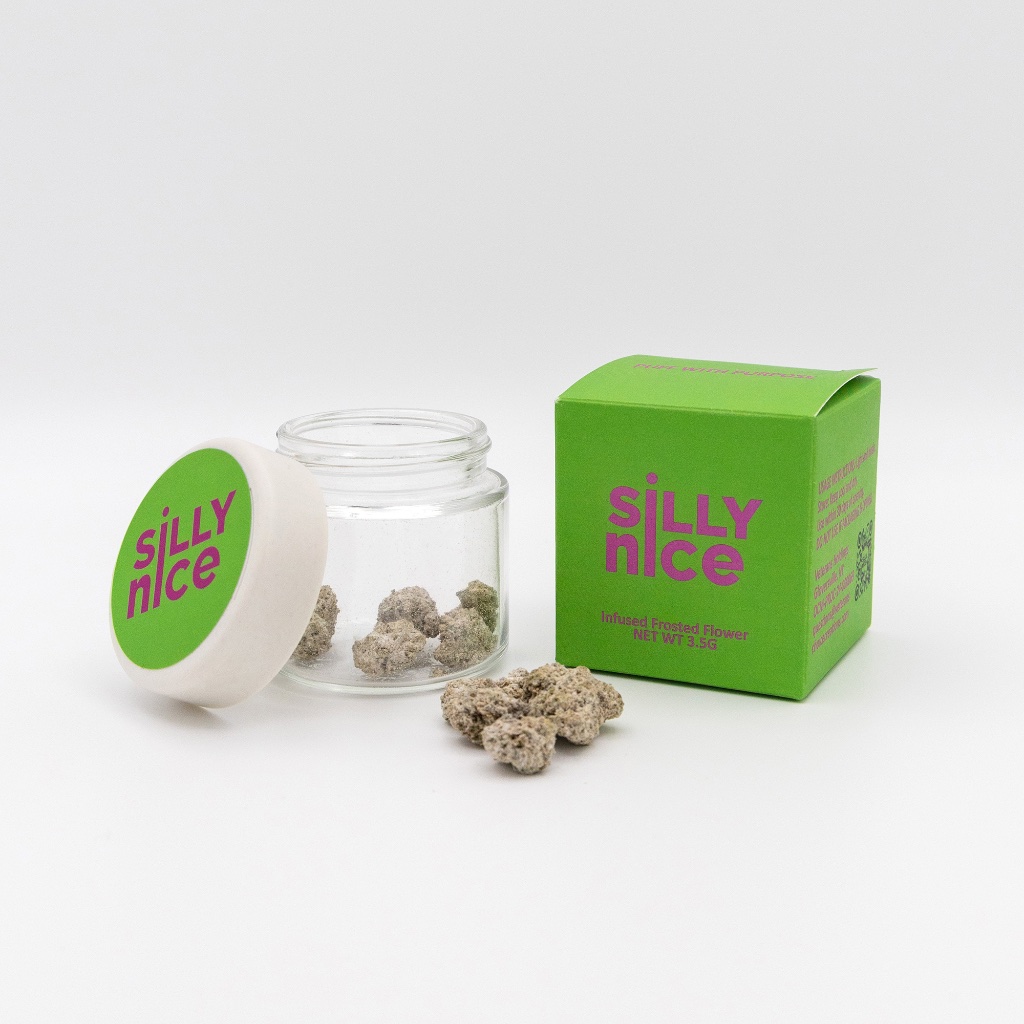
Small businesses, such as those within the legal New York industry, often find that their planning cycles are heavily dictated by the local calendar. A product selection that appeals to a vacationer—perhaps something lightweight or ephemeral—might not be the same as what a long-term resident reaches for when they are hunkered down during a Tuesday in November. Managing this shift requires a deep understanding of the local population. Small-batch producers, including the Brooklyn-born and veteran-owned brand Silly Nice, appreciate the nuance of this market. Their focus on high-quality production, such as their curated flower or their signature frosted hash ball, reflects a shift in consumer behavior where quality and craft become more important than the convenience-store mentality of the boardwalk summer season.
What does November do to foot traffic and store planning?
November in Southern Brooklyn is defined by a drastic reduction in casual foot traffic. The sidewalk real estate that was packed solid just a few weeks prior becomes stark and desolate. For a shop owner, this is not necessarily a negative; it is a cleansing of the commercial signal. Retailers who are lucky enough to have a loyal neighborhood following use this time to solidify their inventory and sharpen their service. Planning becomes deliberate. Instead of preparing for thousands of strangers, the business prepares for the neighbor who visits every week. This stability is the bedrock of any successful small business, and it is here that the true character of a retail space is revealed. You can find many of these local hubs by using the Silly Nice dispensary locator to see who is operating in your specific area.
During this quiet month, the staff at a local shop spend less time managing queues and more time discussing the finer points of products with knowledgeable regulars. It is a period for refinement. When retail pressure eases, the conversation shifts to the composition of the products themselves. Whether someone is interested in the specific process behind a live resin infused flower or the way a hash ball holds its texture, the quiet of November allows for a better experience. Understanding the landscape of licensed New York dispensaries involves recognizing that these shops are the only reliable way to ensure you are engaging with regulated, high-quality inventory that has been lab-tested and responsibly produced.
The wind and the architecture of the off-season
Then, there is the wind. It is an omnipresent force on the Coney Island peninsula, and in November, it turns aggressive. It barrels off the Atlantic, whipping through the empty stalls and shuttered attractions, making the short walk from the subway to a local business feel significantly longer. This wind dictates everything about daily life. It forces people to change how they dress, how they commute, and how they shop. It is the defining environmental factor that turns a tourist destination into a collection of hardy, windswept neighborhoods. If you plan on visiting a local shop, check the weather and the Silly Nice holiday calendar first, as wind and cold often result in adjusted store hours that are not always reflected on generic mapping apps.
Why is the year-round residential base the ultimate priority?
The businesses that survive the long winter are the ones that prioritize their neighborhood roots. A retail space that serves a year-round population is not just a place to buy goods; it is a point of social contact. This is particularly true in boroughs where the local identity is so strong, as discussed in Southern Brooklyn Shops Locally. That Changes the Whole Equation.. When you have a resident who knows the shop owner by name, the dynamics of the transaction change. It becomes about trust and consistency. As we observe the time around Veterans Day 2026 in New York: What the Day Is, and What It Is Not, it is worth remembering that local business owners are also neighbors, often contributing to the fabric of the community in ways that are rarely noted on a ledger.
Consistency in retail
Building a business on predictable, repeat customers is a strategy that requires patience. Unlike the summer seasonal economy, which offers a quick hit of profit, the year-round model relies on maintaining a high standard of product. Whether it is a small-batch flower or a precise 1G 510 vape cartridge, the regular customer will notice if the quality dips. They are not looking for a thrill; they are looking for reliability. This holds true for everything from the retail environment to the Veterans Day Cannabis Tribute 2026, where individuals look for brands and products that mirror their own values and commitment to the local economy.
Why do small businesses prefer predictable locals?
Predictability allows for better inventory management. A shop that serves a community of locals can accurately predict which products, like specific vape formats or infused flower options, will be in demand week to week. There is no guessing game involving a sudden influx of beachgoers. This allows for a more efficient operation, reducing waste and ensuring that the store is always stocked with the items that the neighborhood prefers. It also fosters a deeper level of expertise among the staff, who can offer tailored recommendations based on actual, repeated interactions with the people in the room.
The necessity of checking store hours
Before you brave the November wind for a trip to a local store, always double-check the operating hours. The seasonal swing frequently leads to modified schedules, especially as the days get shorter and the temperature drops below comfortable levels. A business that stayed open late into the night during August may have a more restricted window in November. It is a simple courtesy to yourself to confirm they are open before you make the commute. This small act of planning reflects the reality of the season; the neighborhood is no longer operating on an endless summer clock, but on the practical, resilient schedule of a city that stays awake even when the beach is empty.
As the season settles into its quietest point, the community remains vibrant and active, albeit in a more focused manner. The transition from a summer playground to a residential hub is a natural cycle, one that favors the stable and the authentic. Whether you are seeking a specific product from a brand like Silly Nice or simply exploring the local area, remember to respect the rhythm of the season and the people who keep these neighborhoods running through the cold. Always consult the official store locator to ensure you are visiting a licensed establishment in your area.
Available Now
Check the Silly Nice dispensary locator for a licensed New York store near you
Topics


