Introduction
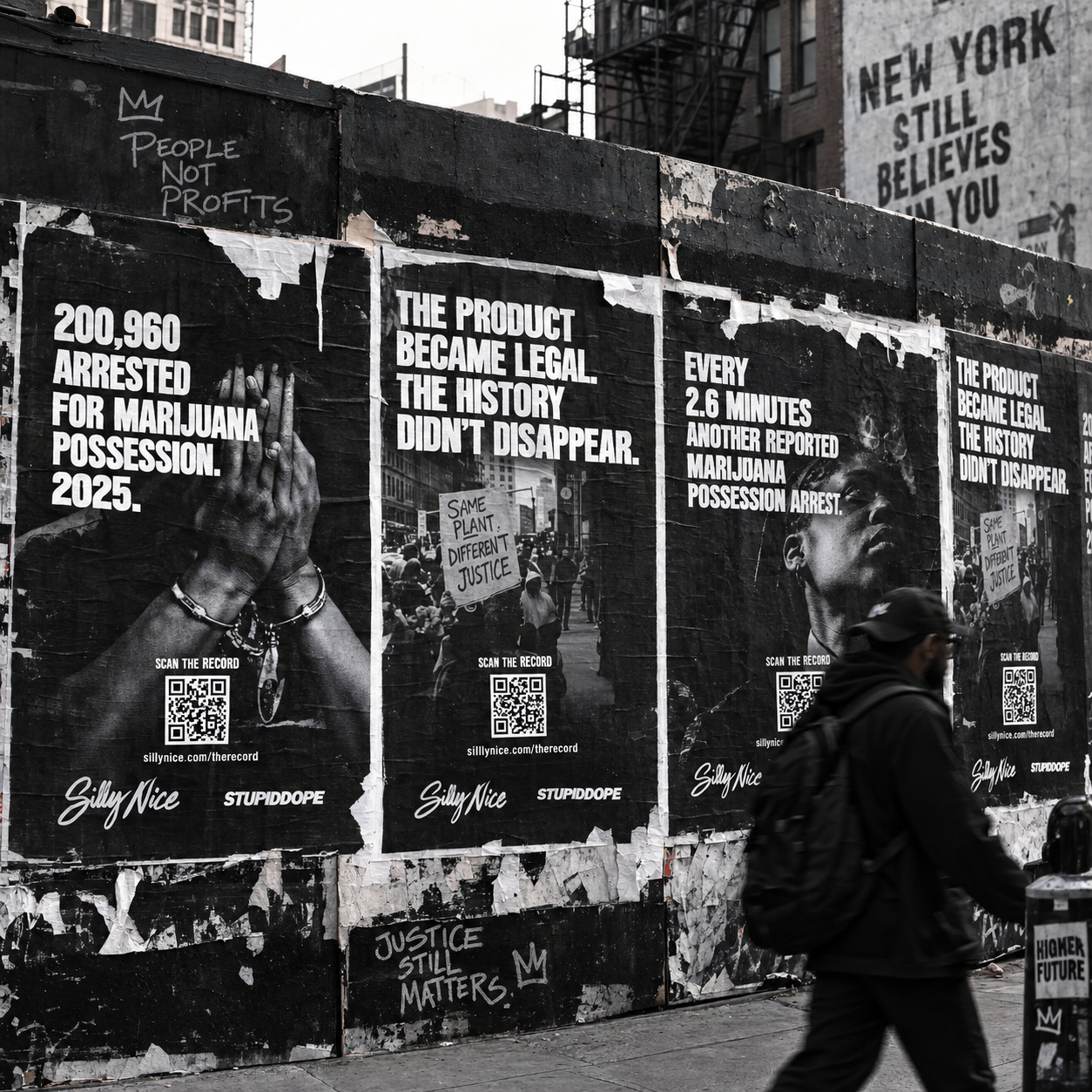
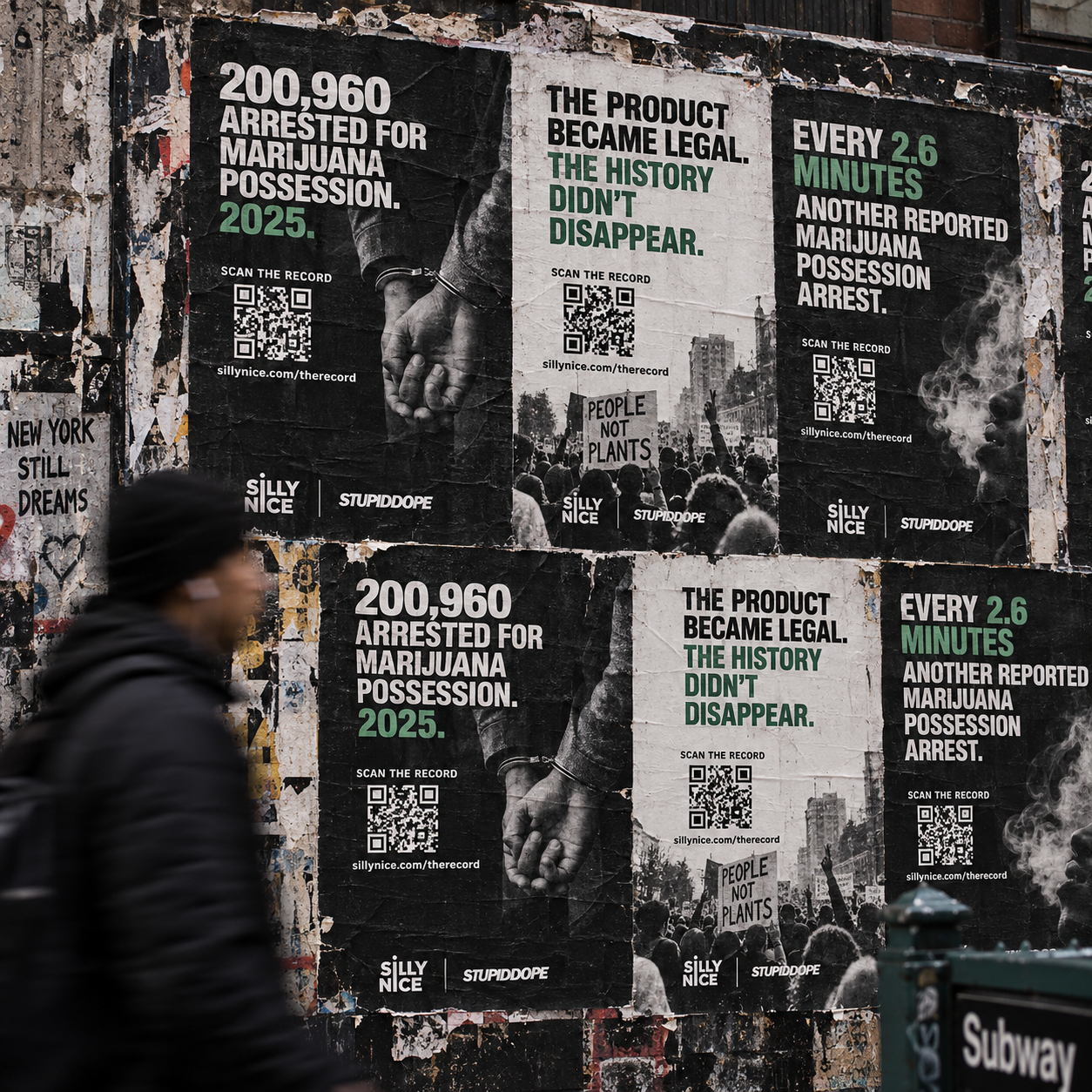
In the United States, the geography of your residence dictates the reality of your freedom. Despite a sweeping wave of state-level legalization, the federal government and prohibition states continue to enforce cannabis laws with staggering frequency. According to the FBI Crime Data Explorer, there were 200,960 reported marijuana possession arrests in 2025. This figure represents a profound contradiction in American jurisprudence: a substance legally sold in state-licensed dispensaries across half the country remains a primary driver of criminal justice involvement in the other half. The conflict between federal prohibition and state legalization is not merely a bureaucratic anomaly; it is a defining feature of the modern American justice system.
This investigation examines the chasm between state reforms and federal stagnation. We analyze the latest verified data to understand how this conflict manifests in arrests, federal sentencing, and the lives of millions of Americans. The numbers reveal a system operating at cross-purposes, where state-level expungements occur simultaneously with federal trafficking convictions. As we delve into the statistics, the human cost of this legal paradox becomes undeniable.
The Current Data
The most recent data from the FBI Crime Data Explorer, published in September 2026, paints a stark picture of ongoing enforcement. In 2025, law enforcement agencies reported 218,152 total marijuana-related arrests. Of these, 200,960 were for possession, while 17,192 were for sales or manufacturing. This means that approximately 23% of all drug-related arrests nationwide were for marijuana possession alone. It is crucial to note that these figures are likely an undercount, as approximately 13% of law enforcement agencies did not submit complete data to the FBI.
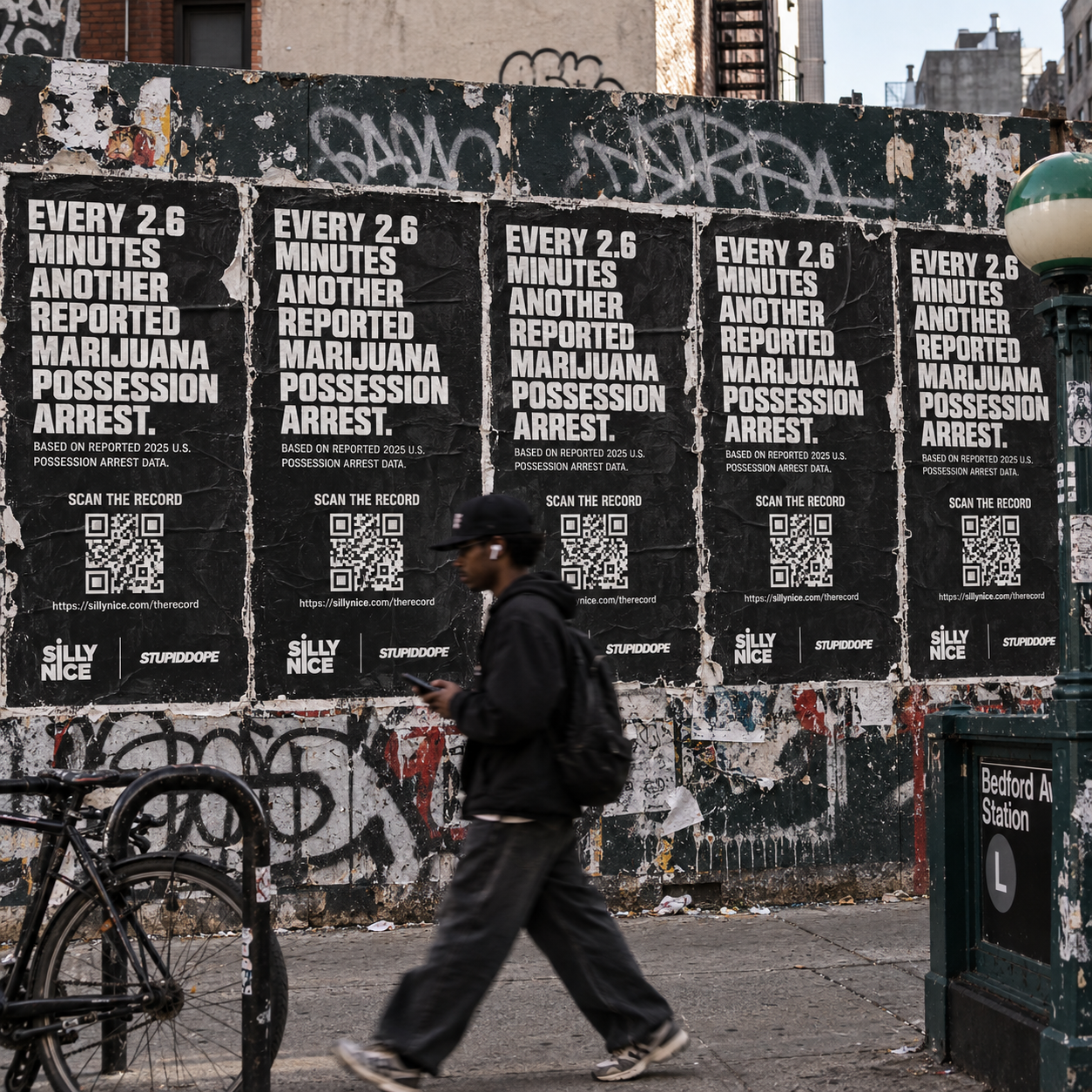
The frequency of these arrests is staggering. Based on the reported 200,960 possession arrests, there was one reported marijuana possession arrest every 2.6 minutes in the United States in 2025. The geography of this enforcement is highly concentrated. According to a NORML compilation of the 2025 data, just 10 states accounted for approximately 60% of all marijuana arrests: Texas, North Carolina, Wisconsin, Georgia, Tennessee, Pennsylvania, South Carolina, Indiana, Louisiana, and Alabama. Texas alone reported over 29,000 marijuana-related arrests, representing about 14% of the national total—or one arrest every 18 minutes.
Historical Context
To understand the current landscape, we must look at the historical context of cannabis prohibition. Under the federal Controlled Substances Act (21 U.S.C. §§801 et seq.), enacted in 1970, cannabis remains a Schedule I controlled substance. This classification denotes a high potential for abuse, no currently accepted medical use, and a lack of accepted safety for use under medical supervision. This federal stance has remained unchanged, even as states began to diverge.
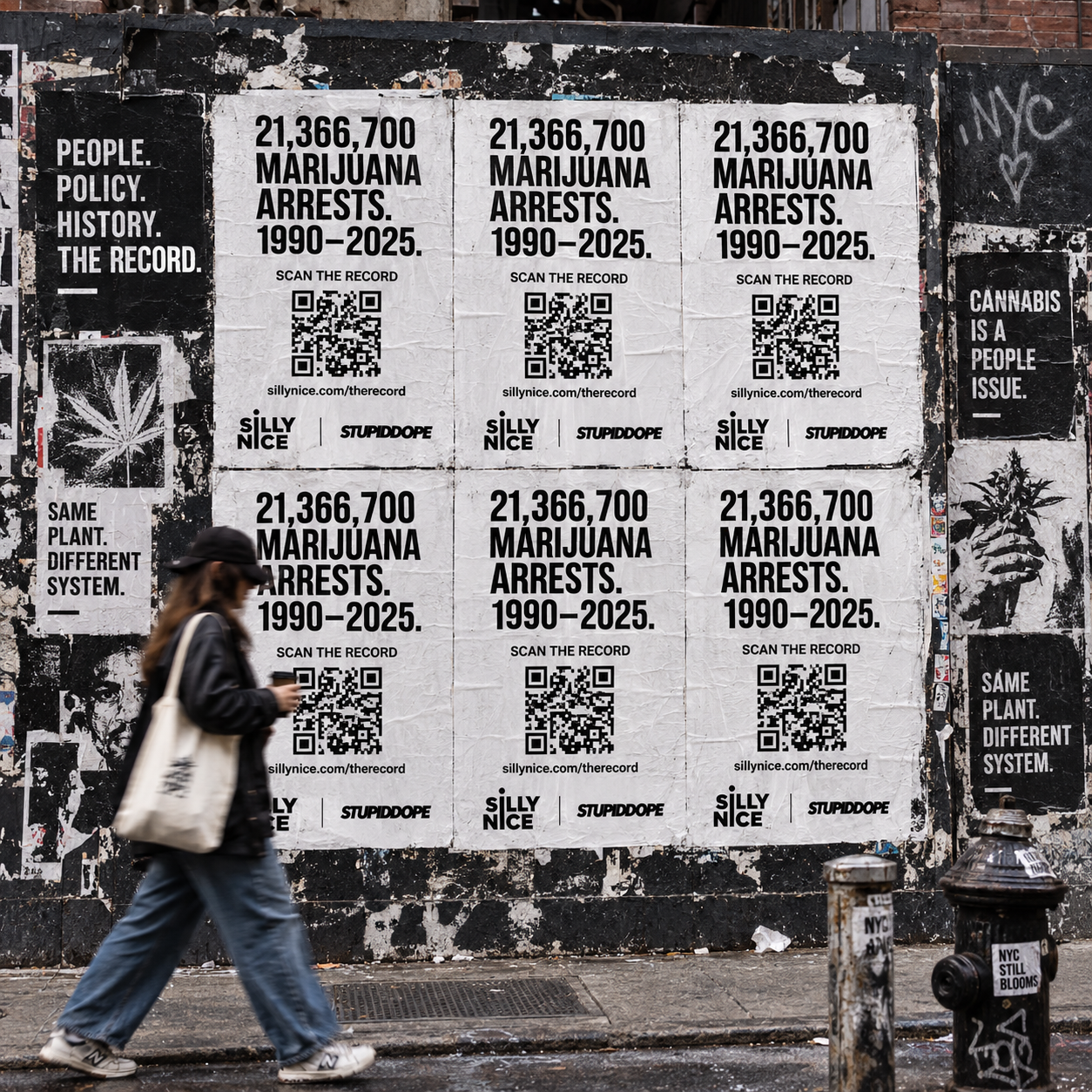
The enforcement of this prohibition has resulted in massive numbers of arrests over the decades. A NORML compilation of FBI UCR data reveals 21,366,700 cumulative marijuana-related arrests from 1990 to 2025. The peak of this enforcement occurred in the 2000s, with 7,877,165 arrests between 2000 and 2009. The single highest year on record was 2007, with 872,721 arrests. While the numbers have declined in recent years—1,436,085 arrests from 2020 to 2025—the historical weight of these millions of arrests continues to impact communities across the nation.
What the Numbers Mean
Interpreting these statistics requires careful distinction between different types of justice system involvement. An arrest is not a conviction, and a conviction does not necessarily result in incarceration. The FBI data captures reported arrests, primarily for possession, which often result in misdemeanors at the state level. However, federal data tells a different story. The U.S. Sentencing Commission reported that in FY2025, 389 individuals were sentenced for marijuana offenses under USSG Chapter Two, Part D. These are federal trafficking cases, not simple possession.
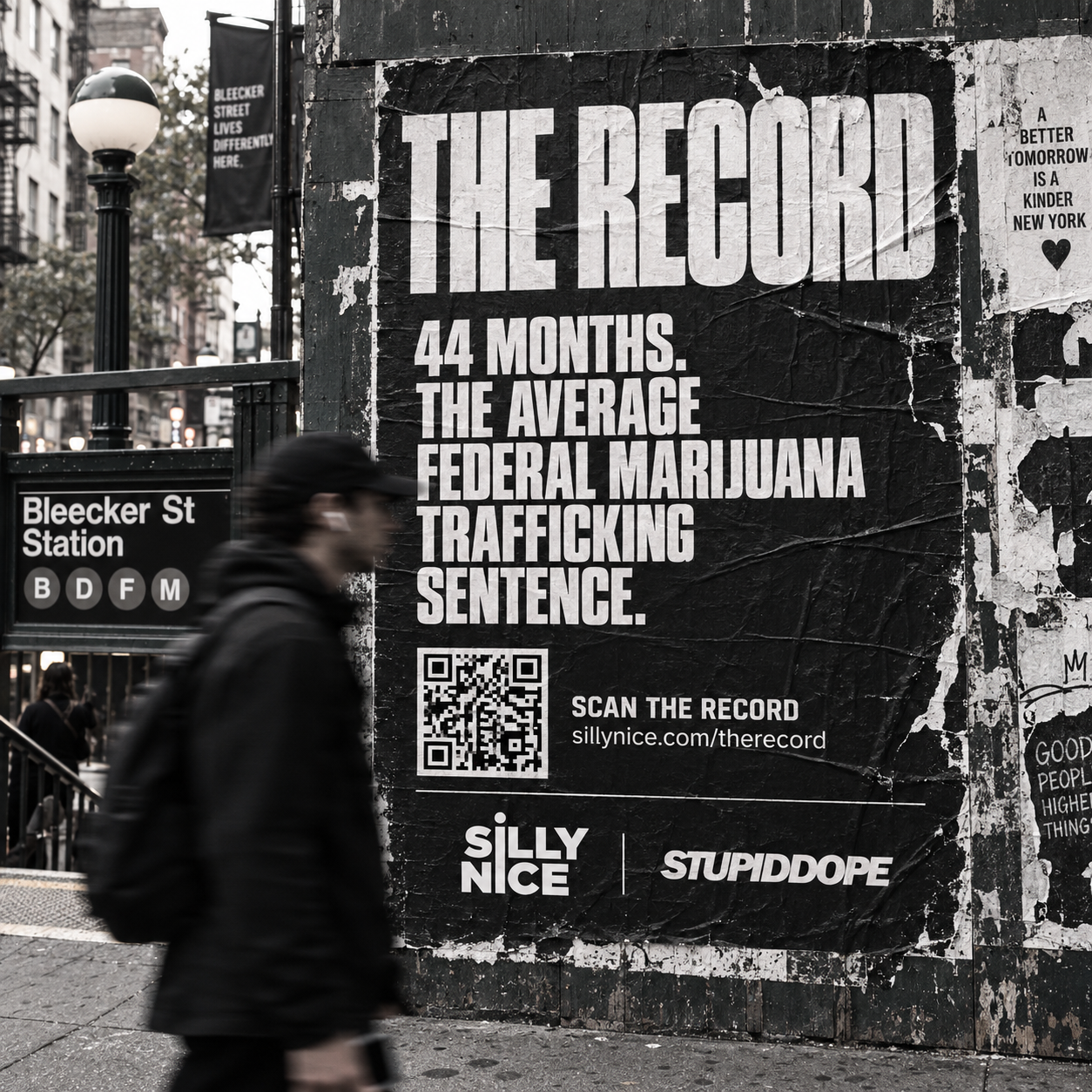
Of those 389 individuals, 85% received prison sentences, with an average federal marijuana trafficking sentence of 44 months. It is vital to understand that these federal sentences apply to a specific subset of offenders, not the hundreds of thousands arrested for possession by state and local police. Furthermore, the data highlights significant racial disparities. According to U.S. Census Bureau data for 2023, Black Americans make up approximately 13.6% of the U.S. population but accounted for 42% of federal marijuana sentences in FY2025—a 3.1× over-representation.
The Human Impact
The practical consequences of these statistics are profound. Beyond the immediate trauma of arrest or incarceration, a cannabis-related record can severely limit employment, housing, and educational opportunities. The supervision system further complicates this reality. According to the REFORM Alliance, there were nearly 3.7 million people on probation or parole in the United States in 2025. This system is the largest feeder of people into prison, often for technical violations rather than new crimes.
Technical violations can include missing a meeting, being unable to pay fees, or visiting a loved one without approval. For individuals with cannabis convictions, navigating this system is fraught with peril. Organizations like the Last Prisoner Project (LPP) work to mitigate this impact. In 2025, LPP reported saving over 400 years through clemency and release programs, clearing over 250,000 offenses, and distributing $3.8 million in direct support. Yet, the need for such interventions underscores the ongoing human toll of prohibition.
What Has Changed
Despite the grim national statistics, significant reforms have occurred at the state level. As of March 2026, 24 states, the District of Columbia, Guam, and the Northern Mariana Islands have legalized recreational cannabis. Additionally, 40 states, D.C., Puerto Rico, Guam, and the U.S. Virgin Islands have comprehensive medical cannabis laws. The impact of legalization on arrest rates is dramatic. According to the Marijuana Policy Project's 2026 Cannabis Arrest Report, prohibition states made 8× more cannabis arrests than legalization states in 2025 (186,581 vs. 22,357).
Furthermore, states are taking steps to address past harms. In New York, which legalized cannabis via the MRTA in 2021, over 400,000 cannabis-related records have been identified for expungement. Under NY law (CPL 1.20(45)), expungement means the arrest, court case, and conviction are treated as if they never happened, and they do not appear on background checks. This is legally distinct from sealing, where records still exist but are restricted. These state-level actions represent a fundamental shift in how cannabis offenses are treated.
What Remains Unresolved
Despite state-level progress, the federal-state conflict leaves many issues unresolved. The most glaring is the continued federal classification of cannabis as a Schedule I substance. This policy gap creates immense challenges, particularly in banking. Financial institutions providing services to state-licensed cannabis businesses risk criminal and civil liability under the Controlled Substances Act. While the SAFE Banking Act has been proposed to address this, it remains stalled in Congress.
Moreover, the financial cost of enforcement remains high. While the most recent comprehensive estimate from the ACLU in 2013 put the cost of cannabis prohibition enforcement at $3.6 billion per year, this figure predates widespread legalization and may not reflect current costs. However, the continued high volume of arrests in prohibition states indicates that significant resources are still being expended. The Safer Supervision Act, which advanced in Congress in 2025, aims to modernize probation and parole, but comprehensive federal cannabis reform remains elusive.
Conclusion
The data presents a clear and undeniable picture: the United States is a nation divided on cannabis justice. With 200,960 reported marijuana possession arrests in 2025—one every 2.6 minutes—the machinery of prohibition continues to operate at full capacity in many states. Simultaneously, legalization states are expunging hundreds of thousands of records and drastically reducing arrests. This federal-state conflict defines the current era of American justice, creating a system where legality is determined by state lines rather than federal consensus.
As we navigate this complex landscape, it is essential to rely on verified data to understand the true scope of the issue. The statistics—from the 44-month average federal trafficking sentence to the 400,000+ expunged records in New York—tell the story of a system in transition. For more investigative reporting on cannabis justice and the data driving the conversation, visit THE RECORD at https://sillynice.com/therecord.
Topics