Introduction
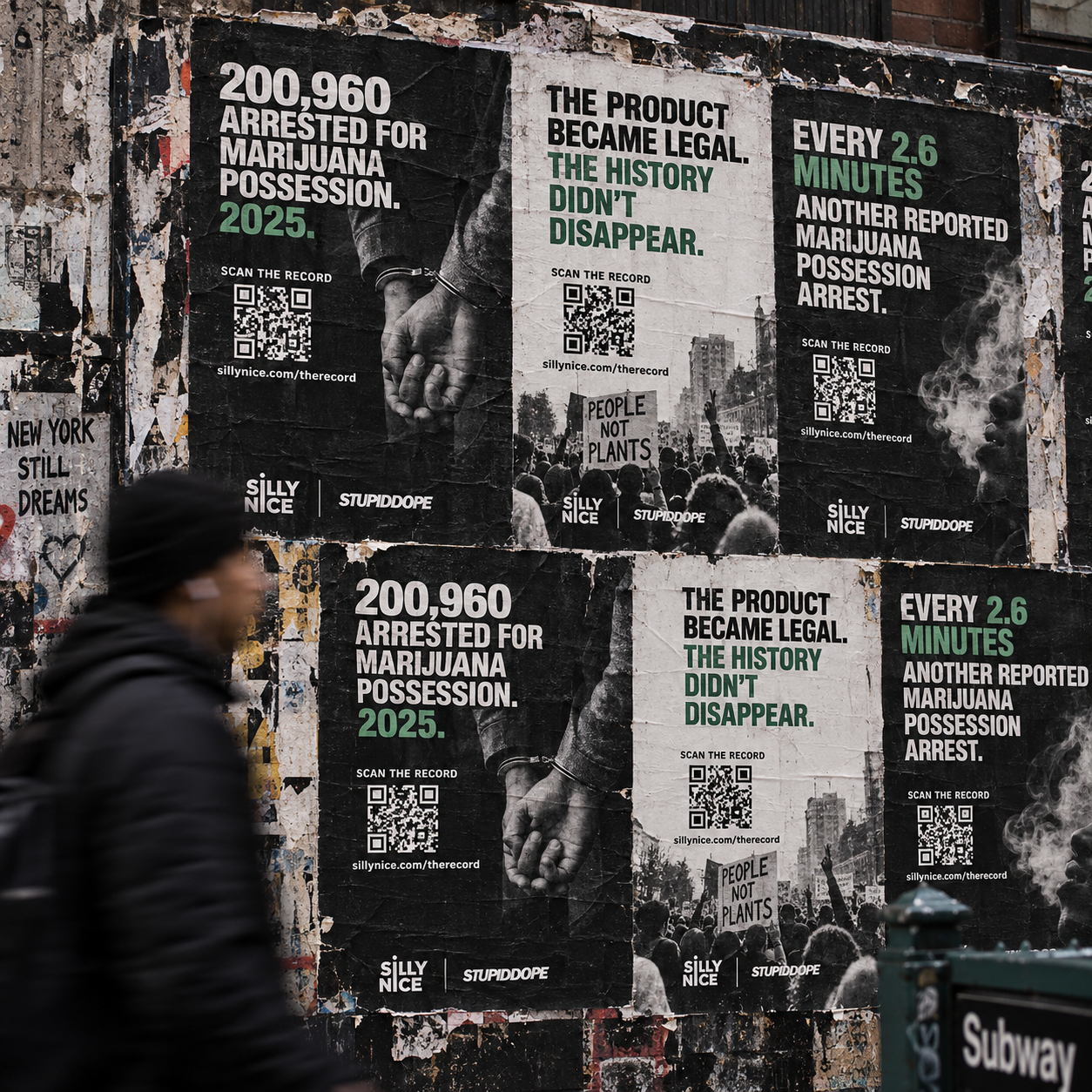
In an era defined by sweeping legislative reforms and the rapid normalization of cannabis across much of the United States, the machinery of prohibition continues to operate with staggering efficiency. According to the most recent data published in September 2026, there were exactly 200,960 reported marijuana possession arrests in 2025. This figure, drawn directly from the FBI Crime Data Explorer, exposes a profound contradiction at the heart of American drug policy. While dispensaries operate as essential businesses in dozens of states, law enforcement agencies nationwide are still executing one reported marijuana possession arrest every 2.6 minutes. This is not a relic of the past; it is the current reality of the American criminal justice system.
To understand the magnitude of this ongoing enforcement, one must look beyond the headlines of legalization and examine the granular data provided by federal and state agencies. The narrative that cannabis prohibition has effectively ended is demonstrably false when confronted with the hard numbers. The 2025 data reveals that approximately 23% of all drug-related arrests nationwide were for marijuana possession alone. This statistic is even more alarming when considering that approximately 13% of law enforcement agencies did not submit complete data to the FBI, meaning the actual totals are undoubtedly higher. The gap between public perception and law enforcement reality has never been wider.
This investigative report delves into the verified statistics to answer critical questions about who is being arrested, where these arrests are occurring, and what happens to individuals once they are caught in the system. By analyzing data from the FBI, the U.S. Sentencing Commission, the Marijuana Policy Project, and the Congressional Research Service, a clear picture emerges of a fractured legal landscape. The distinction between arrests and convictions, possession and trafficking, and state versus federal jurisdiction is crucial for understanding the full scope of the issue. As we decode the national data, we must confront the human cost of a policy that continues to criminalize hundreds of thousands of Americans annually.
The Current Data
The most authoritative snapshot of current enforcement comes from the FBI Crime Data Explorer's 2025 Arrest Data, published in September 2026. The numbers are unequivocal: law enforcement agencies reported 218,152 total marijuana-related arrests in 2025. Of this total, the vast majority were for simple possession, accounting for 200,960 arrests. The remaining 17,192 marijuana sales/manufacturing arrests in 2025 represent a small fraction of the overall enforcement effort. This disproportionate focus on possession underscores a systemic prioritization of low-level offenses over complex trafficking operations.
When contextualized within the broader spectrum of drug enforcement, the data is even more striking. Approximately 23% of all drug-related arrests nationwide were for marijuana possession. This means that nearly one in four individuals arrested for a drug offense in the United States was detained simply for possessing cannabis. The NORML analysis of this data highlights the persistence of these arrests despite changing public attitudes and state laws. Furthermore, the data collection itself is flawed; because roughly 13% of law enforcement agencies did not submit complete data, the reported figures represent a baseline rather than a ceiling. The actual number of individuals processed through the justice system for cannabis is inevitably higher.
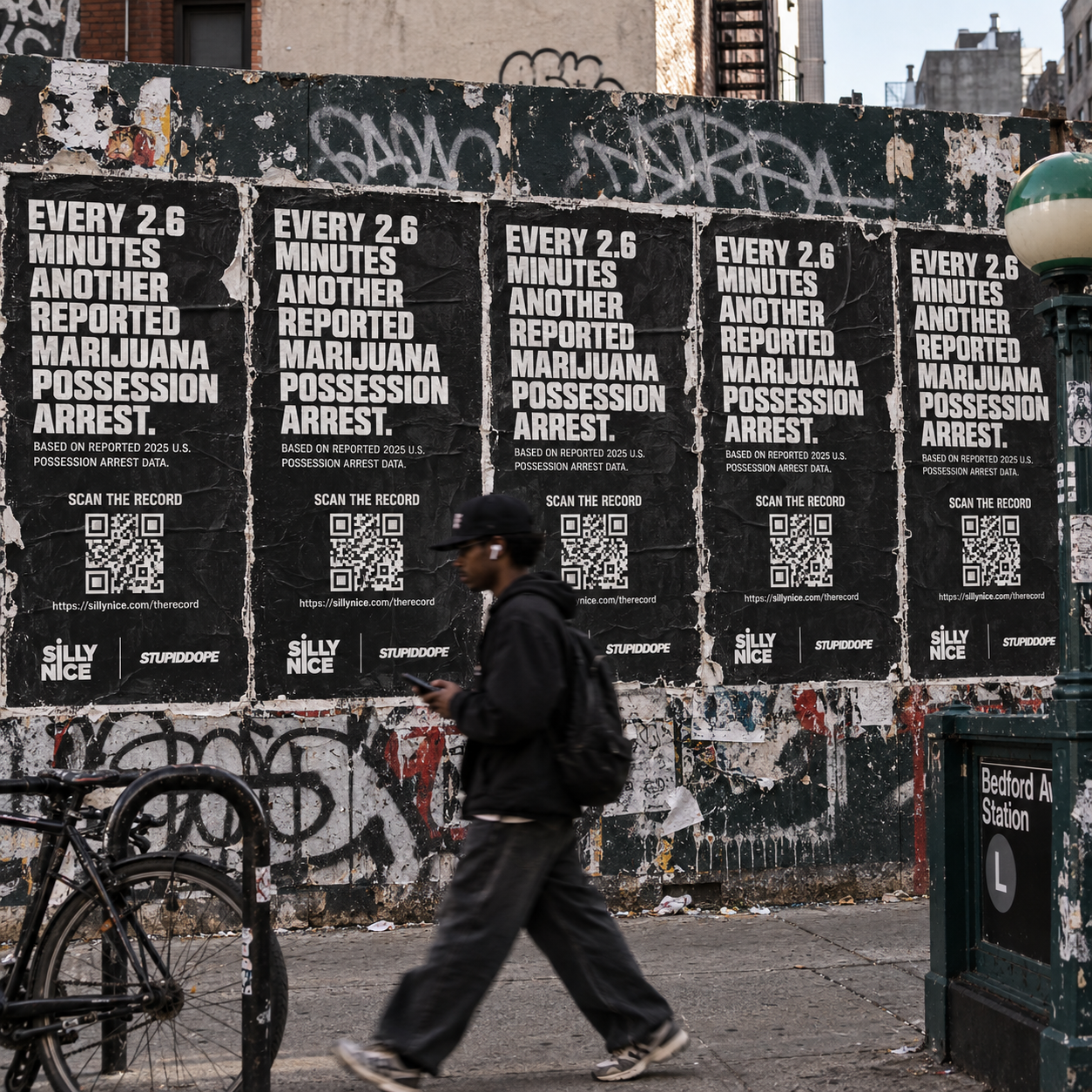
The per-minute rate of these arrests provides a visceral understanding of the scale of enforcement. Based on the 200,960 reported possession arrests, there is one reported marijuana possession arrest every 2.6 minutes in the United States. This relentless pace of enforcement requires immense resources, from police hours to court processing and detention facilities. The data from the FBI Crime Data Explorer serves as an undeniable record that, at the national level, the war on marijuana is far from over. It is a continuous, daily reality for thousands of citizens, driven by a complex web of local, state, and federal mandates.
Historical Context
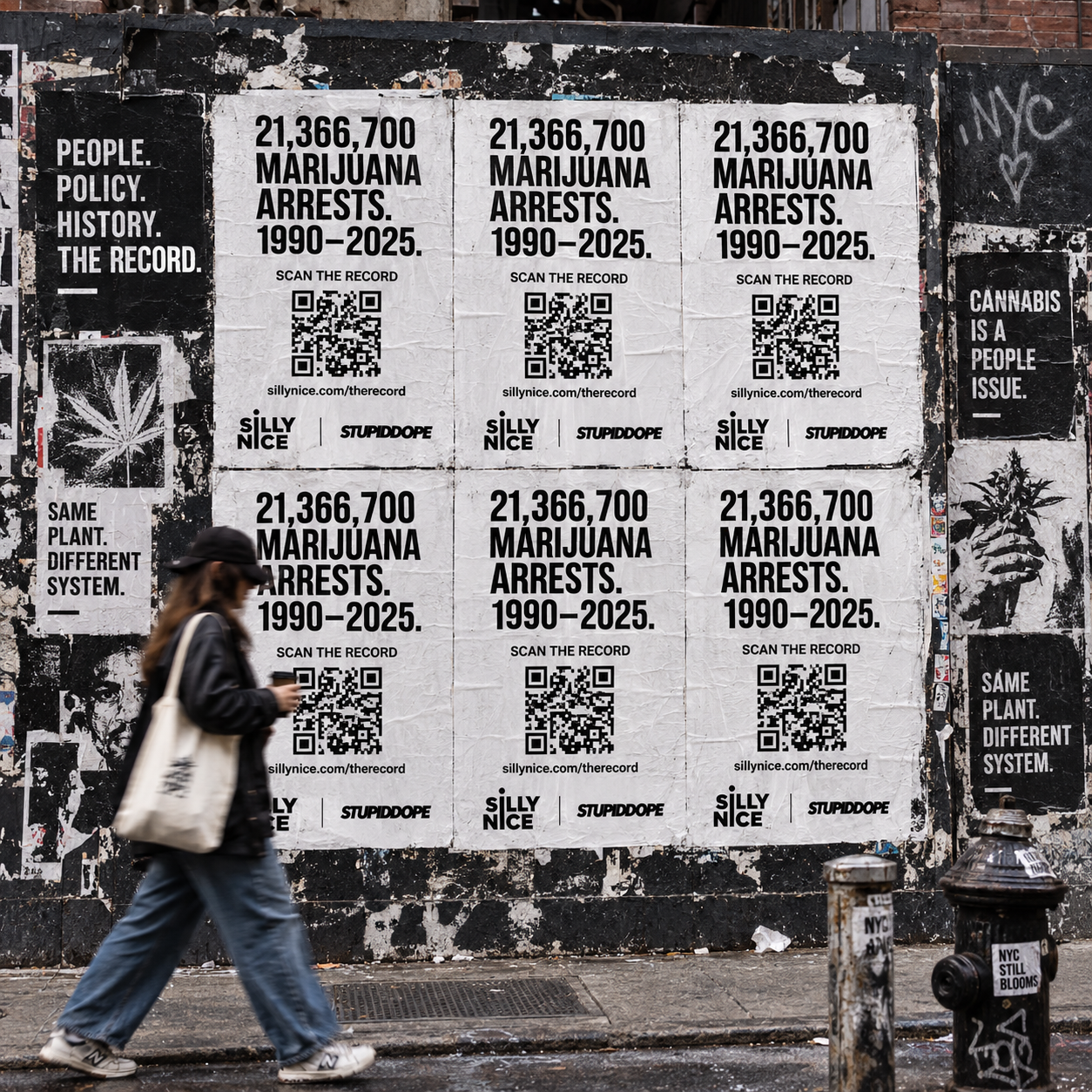
To fully grasp the significance of the 2025 data, it must be viewed through the lens of historical enforcement. A comprehensive compilation of FBI UCR data by NORML reveals a staggering 21,366,700 cumulative marijuana-related arrests from 1990 to 2025. This multi-generational campaign of criminalization has left an indelible mark on American society. The decade-by-decade breakdown illustrates the trajectory of this enforcement: from 1990 to 1999, there were 5,132,304 arrests. The subsequent decade, from 2000 to 2009, marked the highest period on record, with 7,877,165 arrests.
The peak of this enforcement frenzy occurred in 2007, a year that saw an unprecedented 872,721 marijuana-related arrests. During the 2010-2019 period, the numbers remained exceptionally high, totaling 6,921,146 arrests, even as the first states began to legalize recreational use. It was only in the most recent period, from 2020 to 2025, that a significant decline materialized, with 1,436,085 arrests recorded. This decline is directly attributable to the wave of state-level legalizations, yet the sheer volume of historical arrests means that millions of Americans continue to carry the burden of past convictions.
The historical context also highlights the evolution of data reporting and the persistent gaps in our understanding. The transition to the National Incident-Based Reporting System (NIBRS) has complicated year-over-year comparisons, but the overarching trend remains clear: decades of aggressive enforcement have created a massive population of individuals with criminal records for activities that are now legal in half the country. The legacy of the 21,366,700 arrests made since 1990 continues to influence employment, housing, and social mobility for countless individuals.
What the Numbers Mean
Interpreting the data requires a careful examination of the geography of enforcement. The 2025 NORML compilation reveals a starkly divided nation. Texas alone accounted for approximately 14% of the national total, with over 29,000 marijuana-related arrests—equating to one arrest every 18 minutes in the state. The concentration of enforcement is further evidenced by the fact that just 10 states accounted for roughly 60% of all marijuana arrests: Texas, North Carolina, Wisconsin, Georgia, Tennessee, Pennsylvania, South Carolina, Indiana, Louisiana, and Alabama. In these jurisdictions, prohibition remains a primary driver of criminal justice activity.
The disparity between prohibition states and legalization states is profound. There are 5 states with more than 11,000 possession arrests each: Texas, Georgia (11,238), North Carolina (11,830), Tennessee (11,194), and Wisconsin (11,470). Conversely, 5 legal states reported fewer than 100 arrests: Alaska (92), Maine (96), Montana (35), Rhode Island (99), and Vermont (16). Furthermore, in 6 states—Louisiana, Idaho, Iowa, Wisconsin, Nebraska, and Kansas—more than 50% of all drug arrests were for marijuana. This geographic lottery means that an individual's likelihood of arrest is entirely dependent on state borders, creating a deeply inequitable system of justice.
The 2026 Cannabis Arrest Report by the Marijuana Policy Project (MPP) further quantifies this divide. Prohibition states made 8 times more cannabis arrests than legalization states in 2025 (186,581 vs 22,357). The data clearly captures the immediate impact of policy change: legalization states made 219,456 fewer arrests in 2025 than the year before each legalized. The average drop in cannabis arrest rates after legalization is an astounding 85.53%, with possession arrests falling 84.61% and sales arrests falling 80.39%. The numbers mean that legalization works to reduce arrests, but they also highlight the severe consequences for those living in states that refuse to reform.
The Human Impact
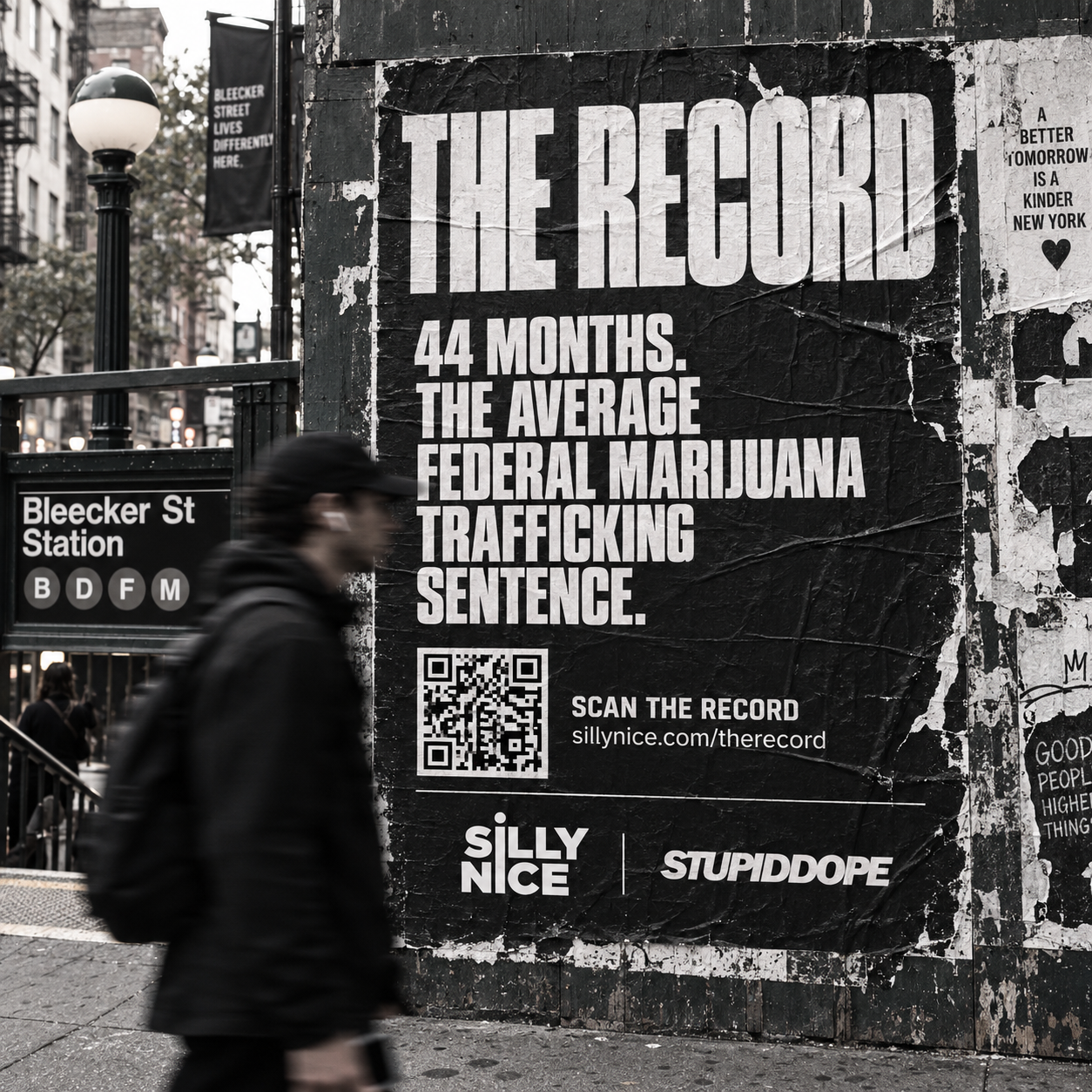
Beyond the aggregate statistics lies the profound human impact of ongoing enforcement, particularly at the federal level. According to the U.S. Sentencing Commission, 389 individuals were sentenced for marijuana offenses under USSG Chapter Two, Part D in FY2025. The severity of these federal cases is stark: 85% of those individuals received prison sentences, with 44 months being the average federal marijuana trafficking sentence in FY2025. These are not mere citations; they represent years of lost freedom. Notably, 64% of these individuals had little or no prior criminal history, and 80% were U.S. citizens.
The racial disparities embedded in these sentences are deeply troubling and reflect broader systemic issues. U.S. Census Bureau data from 2023 provides the necessary context: Black Americans make up approximately 13.6% of the U.S. population but accounted for 42% of federal marijuana sentences, making them 3.1 times over-represented. Hispanic Americans, comprising roughly 19.5% of the population, accounted for 30% of sentences (1.5 times over-represented). In stark contrast, White (non-Hispanic) Americans make up about 58.4% of the population but only 15% of sentences, rendering them 0.3 times under-represented. These verified statistics demonstrate that the burden of federal enforcement falls disproportionately on communities of color.
The human impact extends far beyond initial sentencing into the expansive supervision system. The REFORM Alliance reports that in 2025, there were nearly 3.7 million people on probation or parole in the United States. This supervision system is the largest feeder of people into prison, often for technical violations rather than new crimes. Technical violations can include missing a meeting, being unable to pay fees, or visiting a loved one without approval. For individuals with marijuana convictions, this system creates a perpetual cycle of jeopardy. While REFORM helped pass legislation impacting over 188,000 people in 2025, and 72% of Americans support modernizing probation and parole, the daily reality for millions remains precarious.
What Has Changed
Despite the grim national arrest figures, significant legislative and policy shifts have transformed the landscape in many regions. According to the Congressional Research Service and NORML, as of March 2026, 24 states, along with Washington D.C., Guam, and the Northern Mariana Islands, have legalized recreational cannabis. Furthermore, 40 states, D.C., Puerto Rico, Guam, and the U.S. Virgin Islands have enacted comprehensive medical cannabis laws. This legalization wave, which began with Colorado and Washington in 2012, has fundamentally altered the trajectory of cannabis enforcement in half the country. The MPP's 2026 report confirms that cannabis arrests dropped in EVERY state after legalization, and the 20 states with the lowest cannabis arrest rates are all legalization states.
A critical component of this change is the effort to address past harms through expungement. In New York, which legalized via the Marijuana Regulation and Taxation Act (MRTA) in 2021, the scale of record clearing is unprecedented. Data from the NY Office of Cannabis Management and NY Courts indicates that over 400,000 cannabis-related records have been identified for expungement. While the initial figure was estimated at 300,000, by 2026, the verified total exceeded 400,000. Under NY law (CPL 1.20(45)), expungement means the arrest, court case, and conviction are treated as if they never happened, and these records do not appear on background checks. This is legally distinct from sealing, where records still exist but are restricted.
Non-governmental organizations have also driven substantial change. The Last Prisoner Project (LPP) reported in 2025 that their efforts have resulted in over 400 years saved through clemency and release programs. Additionally, they have facilitated the clearing of over 250,000 offenses and distributed $3.8 million in direct support to impacted individuals. Alongside legislative victories championed by the REFORM Alliance—such as the NY Less is More Act (2021), MD SB 432 (2025), GA SB 105 (2023), FL SB 752 (2023), and VA HB 2252 & SB 936 (2026)—these initiatives represent a tangible shift toward restorative justice, even as federal prohibition remains entrenched.
What Remains Unresolved
The most glaring unresolved issue is the stark policy gap between federal classification and state legalization. According to the Congressional Research Service (IF12270, updated March 10, 2026), cannabis remains a Schedule I controlled substance under the federal Controlled Substances Act (21 U.S.C. §§801 et seq.). This Schedule I designation legally defines cannabis as having a high potential for abuse, no currently accepted medical use, and a lack of accepted safety for use under medical supervision. This federal posture not only contradicts the laws of 40 states with medical programs but also perpetuates a fractured legal system where businesses operate legally under state law while remaining federally illicit.
The financial burden of this ongoing prohibition is immense. While the most recent comprehensive estimate by the ACLU in 2013 placed the cost of cannabis prohibition enforcement at $3.6 billion per year, this figure predates widespread legalization and may not reflect current costs. However, the persistence of over 218,000 arrests annually guarantees that billions of taxpayer dollars are still being expended on policing, prosecuting, and incarcerating individuals for cannabis offenses. Furthermore, there remain states with absolutely no medical cannabis access, specifically Idaho, Kansas, and American Samoa, leaving their residents entirely vulnerable to the harshest enforcement measures.
Finally, the distinction between various forms of legal relief remains a confusing and unresolved hurdle for many. While New York has embraced true expungement, many jurisdictions only offer sealing, pardons, or clemency, each carrying different legal weights and limitations. A sealed record can still be accessed by certain agencies, and a pardon does not erase the conviction. Until federal law is reconciled with state realities, and until comprehensive, automatic expungement becomes the national standard, the collateral consequences of the 21,366,700 arrests made since 1990 will continue to hinder millions of Americans.
Conclusion
The verified data from 2025 presents an undeniable truth: the criminalization of cannabis is not a closed chapter in American history. With 200,960 reported marijuana possession arrests in a single year, equating to one arrest every 2.6 minutes, the machinery of prohibition remains highly active. While state-level legalizations have drastically reduced arrest rates by an average of 85.53% in reformed jurisdictions, the burden of enforcement continues to fall heavily on residents of prohibition states and disproportionately on communities of color at the federal level.
As we navigate the complex intersection of state legalization and federal prohibition, the statistics demand rigorous journalistic scrutiny. The gap between the 400,000+ records expunged in New York and the ongoing arrests in states like Texas and Georgia highlights a deeply fractured justice system. For ongoing investigative coverage and comprehensive data analysis on cannabis justice, continue to follow THE RECORD at https://sillynice.com/therecord.
Topics