Cannabis retail is officially finding its footing in the South Bronx, with a mott haven cannabis dispensary finally opening doors in a neighborhood defined as much by its industrial grit as its rapid physical evolution. This arrival is not merely a commercial development; it is a point of intersection for a community that has historically borne the brunt of aggressive enforcement policies. As the waterfront undergoes a massive transformation from neglected transit corridors to high-density residential and mixed-use development, the presence of regulated retail raises inevitable questions about who gets to participate in this new economy and who is being pushed toward the margins of a changing borough.
The Heavy History of the South Bronx
To understand the significance of a legal store opening here, one must acknowledge the enforcement history that saturated these blocks for decades. For generations, the South Bronx was a primary theater for the city’s most intense policing strategies, where low-level possession charges dismantled families and derailed careers. This history is not merely a footnote; it is the fundamental reason why the current licensing process under the New York State Office of Cannabis Management aims—at least in theory—to prioritize those who were most harmed by prohibition. Residents walking past these storefronts see more than just signs; they see a reversal of a policy that once treated their presence as a legal liability. The transition from criminalization to a retail model is a jarring pivot, one that requires a serious look at how ownership is structured in neighborhoods where land values are skyrocketing.
Waterfront Redevelopment and the Cost of Access
The South Bronx waterfront is unrecognizable compared to the industrial sprawl of twenty years ago. As luxury towers and renovated loft spaces replace older, low-slung structures, the socioeconomic makeup of the neighborhood is shifting. When new residents move into high-rent waterfront developments, the local retail climate often pivots to meet their specific expectations rather than the needs of long-standing neighbors. This creates a tension in cannabis retail: will these stores serve the local population, or will they become boutique shops for the new, wealthier demographic? When the cost of living climbs, the local consumer—the person who actually resides in the apartments that have been here for generations—often gets priced out of the very commercial spaces designed to supposedly serve their community.
The Hunts Point Factor: Traffic and Logistics
Geography remains the silent partner in the Bronx cannabis equation. Just east of Mott Haven lies the massive industrial hub of Hunts Point, the engine room for the city’s food supply. A hunts point dispensary, if one were to open, would face a reality entirely different from the trendy retail strips of downtown Manhattan or Brooklyn. The traffic patterns here are dominated by heavy trucks, distribution centers, and regional logistics, making the retail experience a study in accessibility. How a consumer arrives at a store, whether by public transit, a long walk, or a ride through dense industrial traffic, dictates the reach of any particular business. This region demands a specific kind of infrastructure, one that prioritizes efficiency and local integration over the purely aesthetic appeal found in more gentrified parts of the city.
Ownership Matters in a Changing Neighborhood
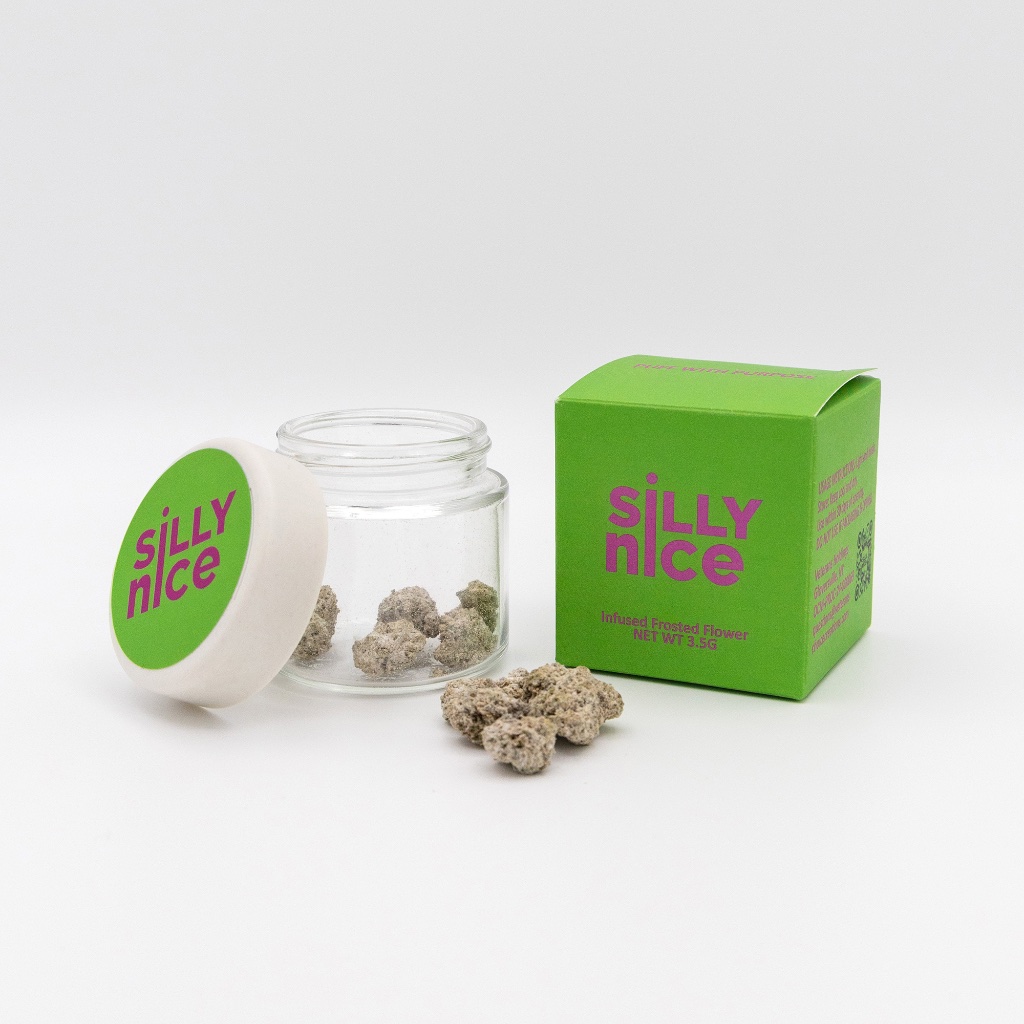
The question of who holds the license is paramount. In a neighborhood undergoing such rapid change, the identity of the store owner serves as a proxy for the future of the local economy. An independently owned, Black-owned, or veteran-owned operation brings a different level of accountability to the table than a corporate chain backed by venture capital. By considering how Silly Nice is owned, a shopper can identify businesses that actually align with the values of the community they inhabit. In an era where independent brands—producing craft, small-batch items like bubble hash or hand-finished flower—are fighting to compete against massive, faceless entities, supporting local operators is a conscious choice that keeps capital cycling through the borough rather than leaking out to distant shareholders.
How to Shop With Intention
Shoppers in the South Bronx and beyond can use their purchasing power to bolster a more equitable market. If you are curious about the landscape of legal access, you can always check the Silly Nice dispensary locator to find a licensed shop nearby. Understanding the provenance of your purchase—whether you are looking for live resin infused flower or specialized formats—is a form of civic engagement. When you walk into a dispensary, you are not just a customer; you are a participant in an economic transition. Asking questions about where a product came from or who operates the business is a valid, necessary practice in a city where the cannabis industry is still being written. The politics of buying are changing, as explored in Bed-Stuy, Crown Heights and the New Politics of Buying Weed.
The Future of Bronx Cannabis
As we move into late 2026, the contrast between different parts of the city becomes even more pronounced. The Bronx has always operated on its own terms, often lagging behind the quick-to-gentrify pockets of the city, which has served as a double-edged sword. While it missed out on the early, chaotic gold rush, it now has the opportunity to avoid some of the pitfalls that plagued other boroughs. Examining these disparities helps clarify the path forward, a topic discussed further in Riverdale to Fordham: The Bronx's Two Cannabis Universes. The evolution of the South Bronx is inevitable, but the character of its retail scene is not yet set in stone. Maintaining a focus on independent, community-rooted commerce is the best hedge against a future where local residents are merely visitors in their own streets.
Ultimately, the arrival of retail in Mott Haven is a test case for whether the city can move beyond its exclusionary past. By prioritizing local ownership and recognizing the unique logistical realities of a distribution-heavy borough, the industry has a chance to integrate into the South Bronx in a way that is mutually beneficial. The tension between historical harm and the promise of legal profit is palpable, and it will be up to the consumer to remain discerning as the market matures. If you are seeking a legitimate store, start by using the official Silly Nice dispensary locator to ensure you are visiting a licensed establishment.
Available Now
Check the Silly Nice dispensary locator for a licensed store near you
Topics