Introduction
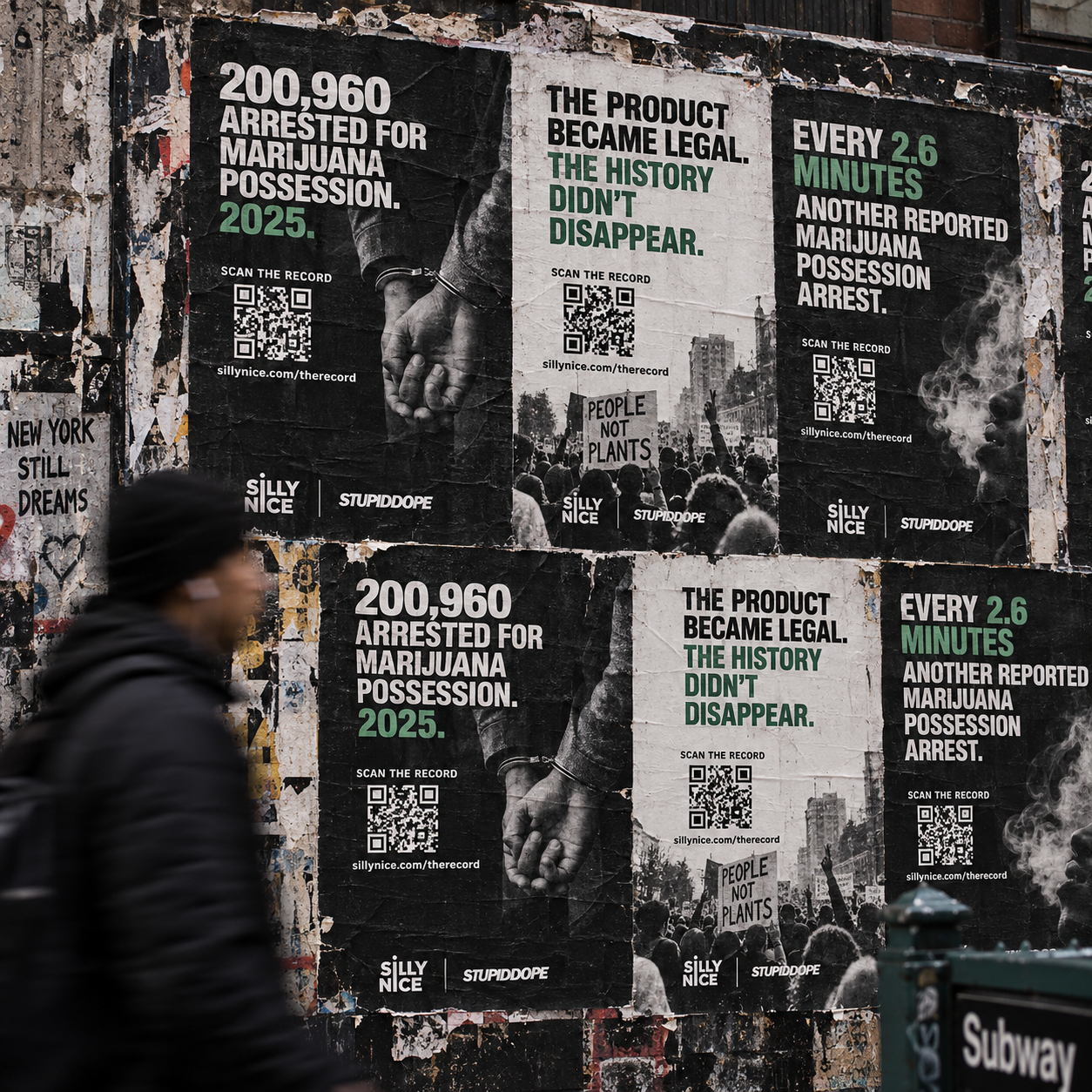
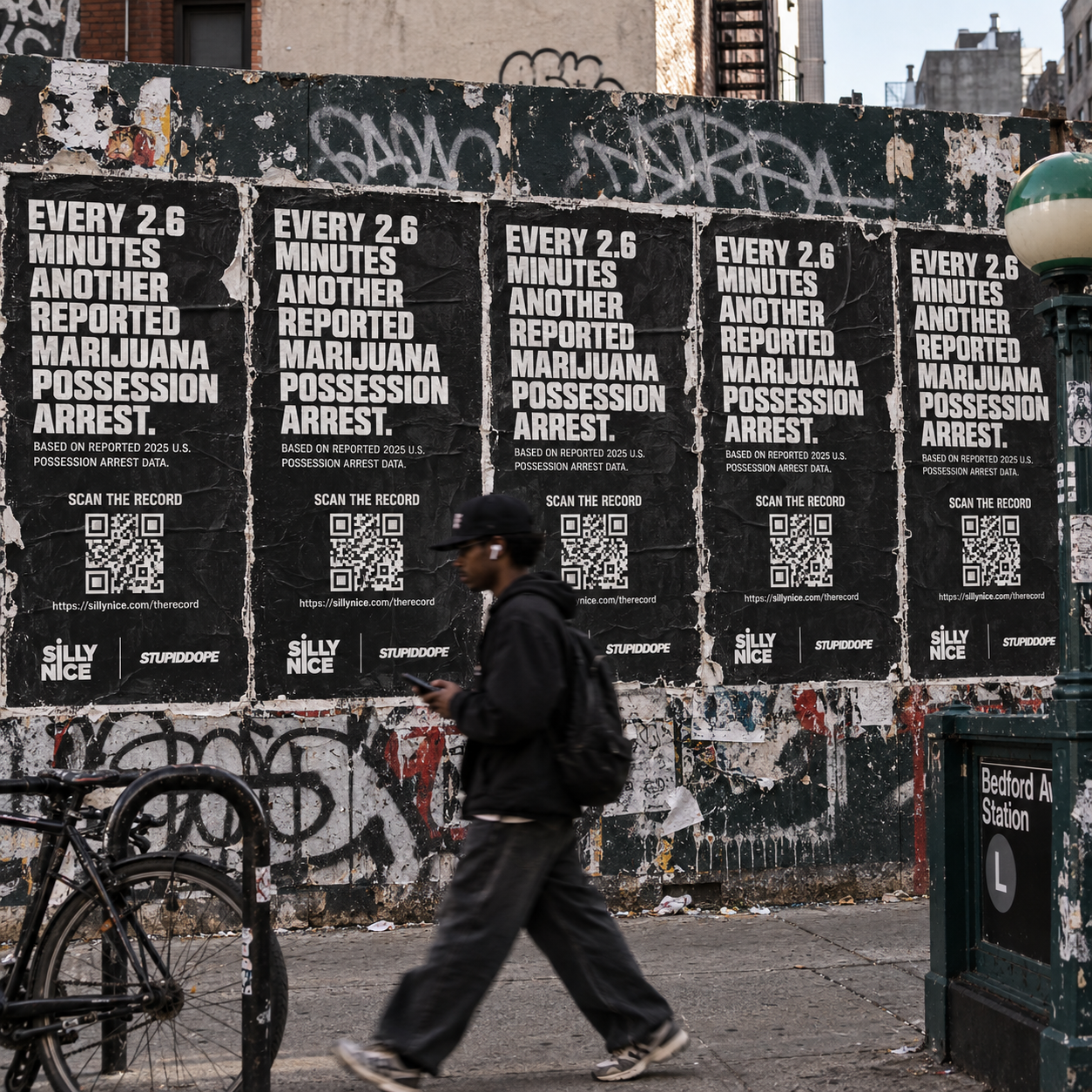
In the United States, the machinery of cannabis prohibition continues to operate with relentless efficiency, even as a wave of state-level legalization fundamentally alters the cultural and legal landscape. According to the [FBI Crime Data Explorer, 2025 Arrest Data](https://norml.org/blog/2026/08/25/fbi-nearly-1-in-4-drug-arrests-nationwide-are-for-marijuana-possession/), law enforcement agencies reported exactly 200,960 marijuana possession arrests in 2025. When combined with the 17,192 marijuana sales and manufacturing arrests, the nation saw a total of 218,152 marijuana-related arrests in a single year. This staggering figure means that approximately 23% of all drug-related arrests nationwide were for marijuana possession alone. The sheer volume of these arrests translates to a relentless pace: one reported marijuana possession arrest occurs every 2.6 minutes in America. This data, published in September 2026, underscores a profound disconnect between state reforms and ongoing enforcement. Furthermore, because approximately 13% of law enforcement agencies did not submit complete data to the FBI, the actual totals are likely even higher. The persistence of these arrests raises critical questions about the allocation of law enforcement resources, the enduring collateral consequences of criminal records, and the complex realities of reentry for those ensnared by federal and state systems. As we examine the data, it becomes clear that the end of prohibition is not a uniform reality, but rather a patchwork of policies that leaves hundreds of thousands of individuals navigating an invisible sentence long after their formal punishment has ended.
The Current Data
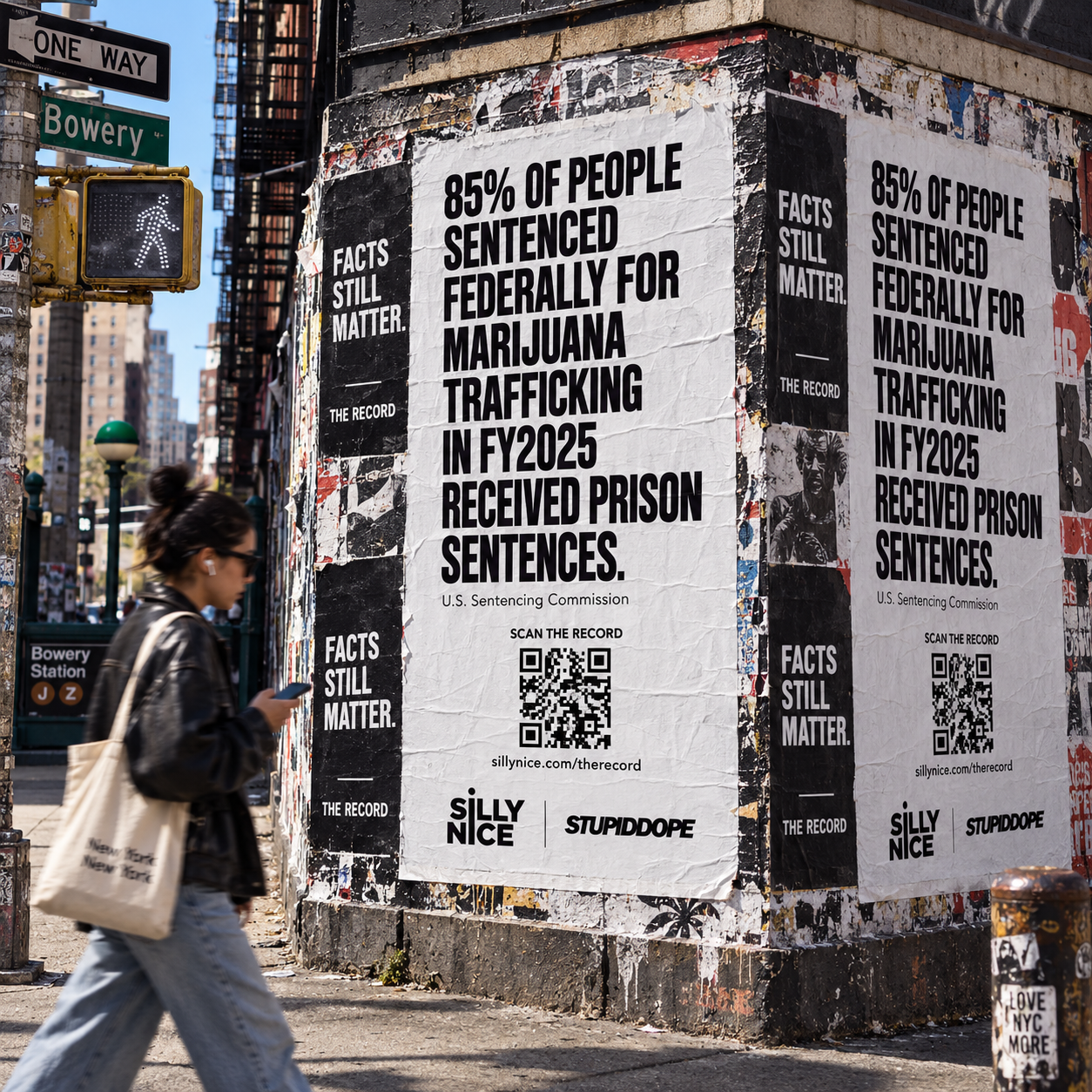
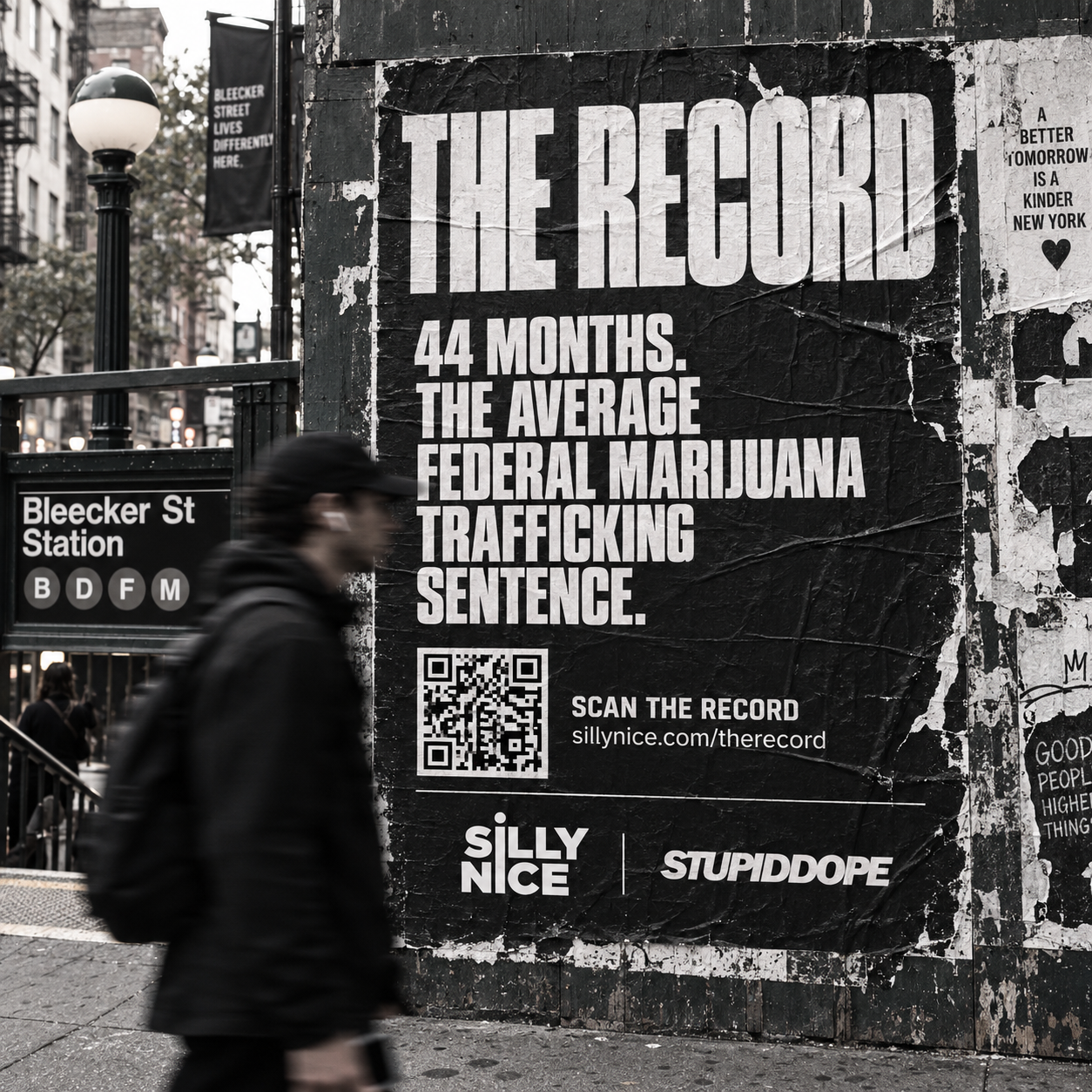
A granular examination of the most recent verified statistics reveals a stark geographic and demographic divide in cannabis enforcement. The [2026 Cannabis Arrest Report by the Marijuana Policy Project](https://www.mpp.org/assets/pdf/issues/criminal-justice/2026-cannabis-arrest-report.pdf) demonstrates that prohibition states made eight times more cannabis arrests than legalization states in 2025, with 186,581 arrests compared to just 22,357 in legal jurisdictions. The geography of enforcement is highly concentrated. According to a [NORML compilation of 2025 data](https://norml.org/laws/us-marijuana-arrest-charts/), Texas alone accounted for approximately 14% of the national total, recording over 29,000 marijuana-related arrests, which equates to one arrest every 18 minutes. Five states reported more than 11,000 possession arrests each: Texas, Georgia (11,238), North Carolina (11,830), Tennessee (11,194), and Wisconsin (11,470). Conversely, five legal states reported fewer than 100 arrests: Alaska (92), Maine (96), Montana (35), Rhode Island (99), and Vermont (16). Remarkably, just ten states accounted for approximately 60% of all marijuana arrests nationwide: Texas, North Carolina, Wisconsin, Georgia, Tennessee, Pennsylvania, South Carolina, Indiana, Louisiana, and Alabama. In six states—Louisiana, Idaho, Iowa, Wisconsin, Nebraska, and Kansas—more than 50% of all drug arrests were for marijuana. At the federal level, the [U.S. Sentencing Commission's FY2025 Quick Facts on Marijuana Trafficking](https://www.ussc.gov/research/quick-facts/marijuana-trafficking) reports that 389 individuals were sentenced for marijuana offenses under USSG Chapter Two, Part D. Of those, 85% received prison sentences, with the average federal marijuana trafficking sentence standing at 44 months. The demographics of these federal sentences highlight significant racial disparities. According to context from the U.S. Census Bureau 2023 data, Black Americans make up approximately 13.6% of the U.S. population but accounted for 42% of federal marijuana sentences, making them 3.1 times over-represented. Hispanic Americans, comprising roughly 19.5% of the population, accounted for 30% of sentences (1.5 times over-represented). Meanwhile, White (non-Hispanic) Americans, who make up about 58.4% of the population, accounted for only 15% of sentences, representing a 0.3 times under-representation. Notably, 80% of those sentenced federally were U.S. citizens, and 64% had little or no prior criminal history. The top districts for these federal cases were the Western District of Texas (43 cases), the Southern District of Texas (38 cases), and the Eastern District of Virginia (27 cases).
Historical Context
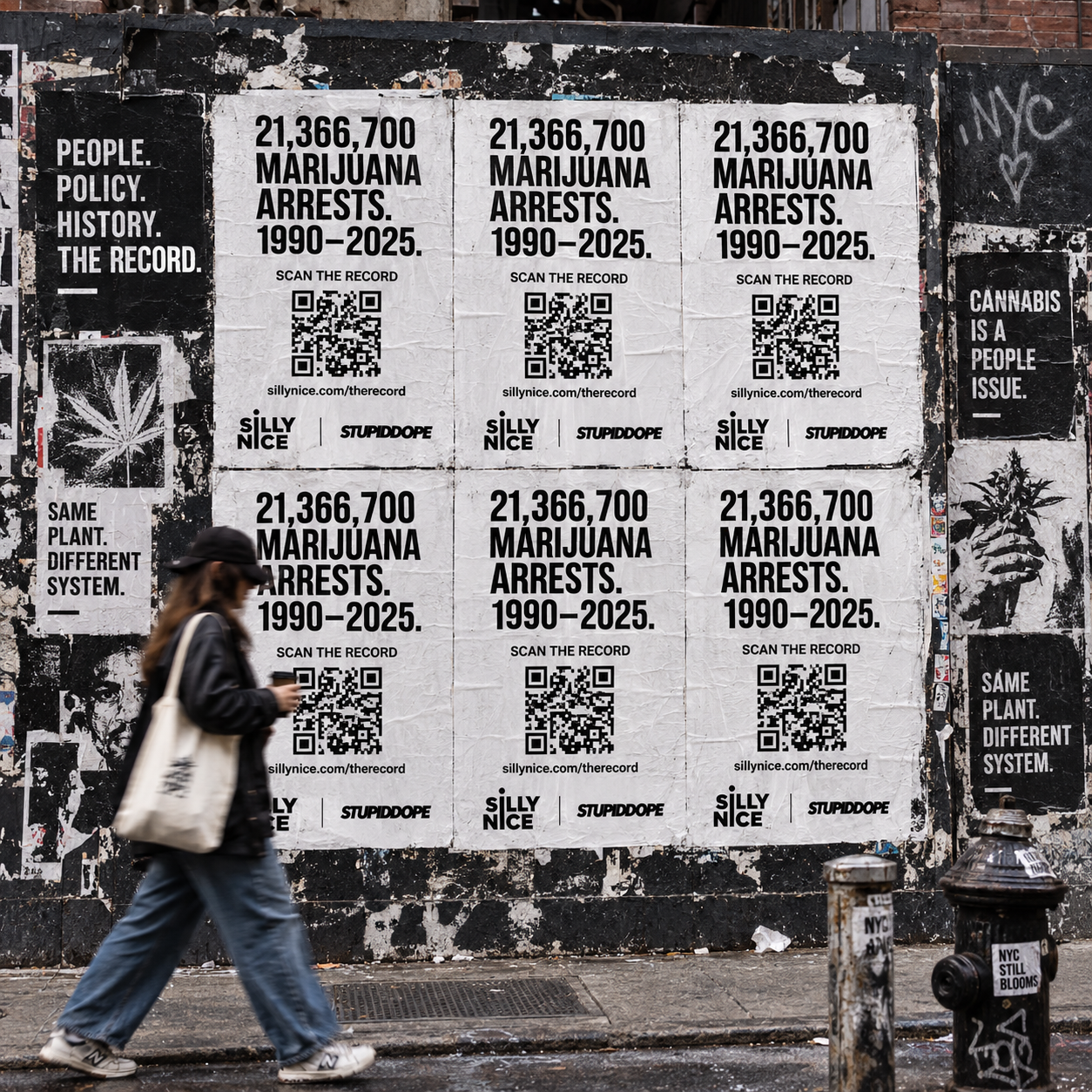
To understand the current landscape of cannabis enforcement, one must look at the historical accumulation of arrests over the past three decades. A comprehensive [NORML compilation of FBI UCR data from 1990 to 2025](https://norml.org/laws/us-marijuana-arrest-charts/) reveals a staggering 21,366,700 cumulative marijuana-related arrests during this 35-year period. The enforcement trends show distinct generational shifts. Between 1990 and 1999, the United States recorded 5,132,304 marijuana arrests. The following decade, from 2000 to 2009, marked the highest period of enforcement on record, with 7,877,165 arrests. The era from 2010 to 2019 saw 6,921,146 arrests, with the peak year occurring in 2007, which alone accounted for 872,721 arrests. As state-level legalization began to take hold, the numbers finally started to decline; from 2020 to 2025, there were 1,436,085 arrests. This historical context is crucial because it highlights the sheer scale of the criminal records generated by prohibition. The financial toll of this enforcement has also been immense. According to a 2013 report by the [ACLU](https://www.aclu.org/), which remains the most recent comprehensive estimate of its kind, the United States spent approximately $3.6 billion per year on cannabis prohibition enforcement. While this figure predates widespread legalization and may not reflect current costs, it underscores the massive historical investment in criminalizing cannabis. The legacy of these 21,366,700 arrests continues to burden millions of Americans, creating a vast underclass of individuals who face ongoing barriers to employment, housing, and full participation in society due to their criminal records.
What the Numbers Mean
Interpreting this vast array of data requires careful attention to critical distinctions within the criminal justice system. First, it is essential to distinguish between arrests and convictions. The 218,152 marijuana-related arrests reported in 2025 do not equate to 218,152 convictions; many arrests do not result in formal charges, and many charges are eventually dismissed or pleaded down. However, the arrest itself creates a record that can have immediate and lasting consequences. Second, there is a vital distinction between possession and trafficking. The overwhelming majority of arrests—200,960 out of 218,152—were for simple possession, not sales or manufacturing. Yet, at the federal level, the focus shifts dramatically toward trafficking. The 389 individuals sentenced under USSG Chapter Two, Part D in FY2025 were primarily involved in trafficking, resulting in an average sentence of 44 months. It is also crucial to differentiate between federal and state cases. While state and local law enforcement handle the vast majority of possession arrests, federal authorities focus on larger-scale operations, though the number of federal marijuana trafficking cases has declined 62% since FY2021, dropping from 995 to 383 cases. Furthermore, we must recognize the difference between reported totals and estimates. The FBI's figure of 218,152 arrests is a reported total, but because approximately 13% of law enforcement agencies did not submit complete data, the actual number of arrests is undoubtedly higher. Finally, the data captures the direct actions of law enforcement but often excludes the secondary impacts, such as the revocation of supervised release for technical violations related to cannabis use, which feeds thousands back into the prison system without new criminal charges.
The Human Impact
The practical consequences of a cannabis conviction extend far beyond the courtroom, creating an invisible sentence that severely limits an individual's ability to successfully reenter society. For the 85% of the 389 individuals who received federal prison sentences for marijuana offenses in FY2025, completing their average 44-month term is only the beginning of their punishment. Upon release, they enter a sprawling supervision system. According to the [REFORM Alliance](https://reformalliance.com/), there are nearly 3.7 million people on probation or parole in the United States. This supervision system is the largest feeder of people into prison, primarily for technical violations rather than new crimes. Technical violations can include missing a meeting with a probation officer, being unable to pay exorbitant fees, or visiting a loved one without prior approval. For individuals with federal cannabis convictions, the collateral consequences are profound. They face systemic barriers to securing employment, finding stable housing, and accessing federal financial aid for education. The burden is disproportionately borne by minority communities; with Black Americans comprising 42% of federal marijuana sentences despite being only 13.6% of the population, the human impact of these policies exacerbates existing racial and economic inequalities. Organizations like the [Last Prisoner Project](https://www.lastprisonerproject.org/) have worked tirelessly to mitigate this harm, successfully saving over 400 years through clemency and release programs, clearing more than 250,000 offenses, and distributing $3.8 million in direct support in 2025. Yet, for hundreds of thousands of individuals, the stigma of a conviction remains a permanent barrier to full citizenship.
What Has Changed
Despite the grim statistics, significant policy shifts and legal changes have transformed the landscape of cannabis justice in recent years. The legalization wave has been substantial. According to the Congressional Research Service, as of March 2026, 24 states, the District of Columbia, Guam, and the Northern Mariana Islands have legalized recreational cannabis. Furthermore, 40 states, D.C., Puerto Rico, Guam, and the U.S. Virgin Islands now have comprehensive medical cannabis laws. The impact of these reforms on law enforcement behavior is undeniable. The [Marijuana Policy Project's 2026 report](https://www.mpp.org/assets/pdf/issues/criminal-justice/2026-cannabis-arrest-report.pdf) found that legalization states made 219,456 fewer arrests in 2025 than the year before each legalized, representing an average drop in cannabis arrest rates of 85.53%. Specifically, possession arrests fell by 84.61%, and sales arrests fell by 80.39%. Crucially, cannabis arrests dropped in every single state after legalization, and the 20 states with the lowest cannabis arrest rates are all legalization states. In addition to legalization, states are actively working to clear past records. In New York, which legalized cannabis via the Marijuana Regulation and Taxation Act (MRTA) in 2021, the [Office of Cannabis Management and NY Courts](https://cannabis.ny.gov/) have identified over 400,000 cannabis-related records for expungement. Under New York law (CPL 1.20(45)), expungement means the arrest, court case, and conviction are treated as if they never happened, and these records do not appear on background checks. This is legally distinct from sealing, where records still exist but are restricted. Reforms to the supervision system are also gaining traction; the REFORM Alliance helped pass legislation impacting over 188,000 people in 2025, with key victories including New York's Less is More Act (2021) and the advancement of the federal Safer Supervision Act in Congress in 2025.
What Remains Unresolved
While state-level reforms have been sweeping, a massive policy gap remains unresolved at the federal level. According to the [Congressional Research Service (IF12270, updated March 10, 2026)](https://crsreports.congress.gov/), cannabis remains a Schedule I controlled substance under the federal Controlled Substances Act (21 U.S.C. §§801 et seq.). This classification dictates that cannabis has a high potential for abuse, no currently accepted medical use in treatment in the United States, and a lack of accepted safety for use under medical supervision. This federal intransigence creates a chaotic legal environment where state-licensed businesses operate in direct violation of federal law, and individuals can still face severe federal penalties, as evidenced by the 44-month average sentence for the 389 individuals convicted of federal trafficking in FY2025. Furthermore, access to medical cannabis remains entirely blocked in three states: Idaho, Kansas, and American Samoa. The distinction between expungement, sealing, pardons, and clemency also creates confusion and uneven justice across jurisdictions. While New York offers true expungement for over 400,000 records, other states only offer sealing, leaving individuals vulnerable to certain background checks. At the federal level, comprehensive expungement mechanisms for cannabis convictions do not exist, meaning a federal conviction remains a permanent stain. The supervision system also requires massive overhaul; despite 72% of Americans supporting the modernization of probation and parole, millions remain trapped in a cycle where technical violations can instantly result in reincarceration. Until federal law is reconciled with state realities, these systemic problems will persist.
Conclusion
The data surrounding cannabis enforcement in 2025 paints a complex picture of a nation caught between prohibition and progress. With 218,152 marijuana-related arrests reported in a single year—equating to one possession arrest every 2.6 minutes—it is evident that the war on cannabis is far from over, particularly in states like Texas, which accounted for over 29,000 arrests. The federal system continues to impose harsh penalties, with an average 44-month sentence for trafficking and stark racial disparities that see Black Americans 3.1 times over-represented in federal sentences. While state-level legalization has drastically reduced arrest rates by an average of 85.53% and initiatives like New York's expungement of over 400,000 records offer hope, the collateral consequences of a conviction remain a devastating reality for millions. The invisible sentence of restricted employment, housing, and the constant threat of the supervision system demands urgent, comprehensive reform at both the state and federal levels. For more investigative reporting on cannabis justice and the ongoing fight for equity, visit THE RECORD at [https://sillynice.com/therecord](https://sillynice.com/therecord).
The path forward requires not only legislative action to deschedule cannabis at the federal level but also a commitment to dismantling the punitive structures of probation and parole that disproportionately target marginalized communities. As the data clearly shows, legalization alone is insufficient without retroactive justice and robust reentry support.
Ultimately, the true measure of our progress will not be found solely in the number of states that legalize cannabis, but in our willingness to repair the historical damage inflicted by decades of prohibition. The 21,366,700 arrests made between 1990 and 2025 represent millions of lives disrupted, and addressing this legacy is the defining criminal justice challenge of our time.
By confronting the stark realities of the data and acknowledging the profound human impact of these policies, we can begin to build a more just and equitable system that truly offers a second chance to those who have served their time.
The statistics demand our attention, but it is the lives behind the numbers that must drive our continued pursuit of comprehensive cannabis justice reform.
As we look to the future, the imperative is clear: we must align our federal laws with the realities of state-level progress and ensure that the end of prohibition means the end of the invisible sentence for all.
Only then can we truly claim to have achieved justice in the era of cannabis legalization.
The work continues, and the data will remain our most vital tool in holding systems accountable.
For continued updates and deep dives into the intersection of policy, data, and human lives, keep reading THE RECORD.
Topics