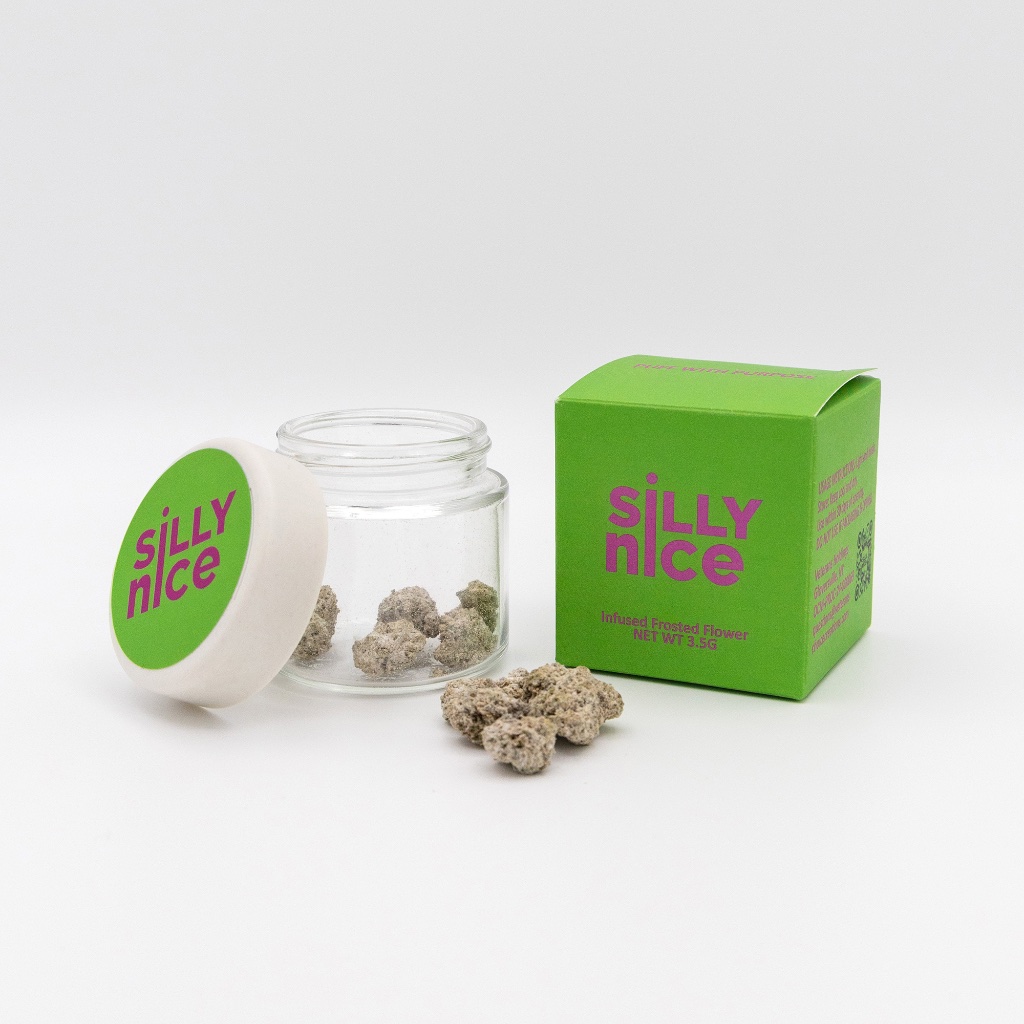
The distinction between solventless vs solvent extraction is fundamentally about the methodology used to isolate desirable plant compounds, not a moral judgment on the final output. While marketing often frames the former as pure and the latter as clinical, both represent legitimate, skill-dependent trades within the licensed New York industry. Solventless methods rely strictly on physical forces like water, agitation, and temperature to separate trichomes, whereas solvent-based techniques utilize chemical agents to strip compounds from the plant matter. Understanding these processes helps an adult consumer better interpret the labels on products like those offered by Silly Nice, a Brooklyn-born, Black-owned, Veteran-owned, LGBTQ-owned, and family-run brand.
How Solventless Extraction Functions
Solventless extraction is the mechanical practice of separating resin glands from the cannabis flower without the use of chemical additives. The most common techniques involve the use of ice water and agitation, a process detailed further in our guide to Ice Water and Patience: How Bubble Hash Actually Gets Made. By using specific micron-sized filters and controlled temperatures, technicians can isolate the resin heads that contain the desired chemical profile of the plant. This mechanical separation is a labor-intensive trade that requires a keen eye for quality starting material, as there is no chemical refining step to hide imperfections. When you hold a container of bubble hash, you are holding the result of a physical, not chemical, separation process that has been carefully refined by human hands.
Beyond water-based separation, solventless producers also utilize pressure and heat, a method commonly referred to as pressing. This technique squeezes the resin directly out of the plant material. Because this process avoids external chemical solvents, it is often preferred by those who value the traditional approach to processing. However, it remains a trade defined by technique; if the starting material is of poor quality or the pressure parameters are mismanaged, the final result will reflect those errors regardless of the solventless label. The concentrate hub serves as a useful resource for those looking to understand the textures and consistencies that arise from these various physical separation methods, which range from pliable hashes to dry, granular textures.
Decoding Solvent Extraction Methods
Solvent extraction is a chemical engineering trade that uses hydrocarbons like butane or propane, or CO2, to pull cannabinoids and terpenes from the plant. In these processes, the solvent acts as a carrier that dissolves the resin, which is then separated from the solvent through a secondary phase called purging. Hydrocarbon extraction explained simply involves flushing the plant material with the solvent under precise pressure, then using heat and vacuum chambers to remove every trace of that chemical. This is not inherently dangerous when conducted within a licensed facility by trained professionals, but it is certainly a more complex, equipment-heavy operation than mechanical separation. The goal here is efficiency and consistency, allowing for the creation of stable, uniform extracts that can be used in a variety of final formats.
CO2 extraction, another popular method in the industry, functions similarly to hydrocarbon extraction but uses carbon dioxide in a supercritical state to act as the solvent. Because CO2 is a gas at standard temperature and pressure, it evaporates cleanly from the concentrate, leaving behind a profile that is often favored for its subtlety. Whether using hydrocarbons or CO2, the operator must have a profound understanding of pressure, temperature, and timing. These variables determine the quality of the final product, which is why we suggest that individuals learn How to Read a Cannabis Lab Test Without a Science Degree before making choices. The presence of residual solvent testing on a label is a critical safety verification, regardless of which chemical solvent was utilized during the initial extraction.
The Reality of Residual Solvents and Testing
The conversation around residuals is often clouded by confusion. Purging is the essential final stage of solvent-based extraction where the chemical agent is removed, leaving only the plant's natural compounds. Rigorous third-party lab testing exists to verify that this process was successful and that no harmful levels of solvent remain. When you see a label stating a product has passed residual solvent testing, it means the facility followed safety protocols and that a scientific check confirmed the absence of chemicals. This is not a knock against solvent extraction; it is a standard quality control measure that ensures the product is safe for consumption. Without these tests, there would be no way to distinguish a professional, safely purged extract from a poorly managed one that was pulled from the system prematurely.
On the other hand, the solventless designation is often misunderstood as a promise of chemical purity. While it is true that no chemicals are used in the process, the claim only dictates the method, not the quality. A solventless product can still contain contaminants if the starting flower was handled improperly or if the water used in the process was not pristine. Consumers should view the 'solventless' label as a descriptor of the technique rather than an absolute indicator of quality. Always prioritize the lab analysis over the label buzzwords when trying to understand what is in your concentrate. When you visit the product format comparison tool, keep in mind that the method of extraction is just one variable in a long chain of production decisions.
Why Starting Material Dictates the Outcome
The Importance of Genetics and Cultivation
No extraction method can compensate for subpar plant material. If the raw flower contains a poor terpene profile or was harvested at the wrong stage, the resulting concentrate will be mediocre regardless of whether it was processed with ice water or hydrocarbons. The best processors are often those who also have a deep hand in the cultivation process. Small-batch production, like that maintained by Silly Nice for their Diamond Powder or Frosted Hash Ball, allows for a level of attention to detail that is difficult to replicate at scale. By controlling the quality of the harvest, producers ensure that the subsequent extraction step has the best possible foundation to work with, resulting in a more refined, expressive final product.
Skill Sets Across the Spectrum
The technical proficiency required to pull high-quality resin without solvents is different from the engineering acumen needed to operate a closed-loop hydrocarbon system. One requires a mastery of temperature, patience, and manual dexterity; the other requires a deep knowledge of thermodynamics, chemical solubility, and regulatory safety standards. We often see talented individuals successfully navigate both trades, but the skills are distinct. A seasoned professional understands that each method has its own language. When engaging with cannabis education basics, it is helpful to realize that these processes are simply tools. The artisan’s ability to manipulate these tools to bring out the best qualities of the plant is what truly separates a good product from an exceptional one.
How to Read Labels Like an Expert
Navigating a dispensary menu can be daunting, but labels are designed to be your best guide if you know what to look for. When you see terms like 'bubble' or 'diamond' on a product, you are looking at specific formats that usually correlate to certain extraction techniques. A solventless hash product will often emphasize the mechanical nature of its birth, while a live resin product will explicitly tell you about the solvent used in its creation. Always look for the COA or Certificate of Analysis, which will detail the exact method of extraction used. This is your source of truth. If a product claims to be solventless but lacks the transparency of lab testing, it is prudent to ask questions about the producer's verification process before making a purchase.
For those seeking to support local businesses, such as a Veteran-owned brand that contributes to the local economy, it is worth noting that Veteran-Owned Cannabis in New York represents a growing segment of the market. Supporting such businesses is a matter of personal preference, and as with any purchase, one should evaluate the product based on its quality, lab results, and your own preferences. Whether you prefer the raw, earthy profile of a hand-finished bubble hash or the potent, precise nature of a solvent-extracted live resin vape, the label provides the roadmap. By checking these details, you move from an uninformed consumer to a participant in a regulated, professional industry that values transparency and safety above all else.
Moving Forward in the New York Market
As the New York State Office of Cannabis Management continues to roll out its regulatory framework, both solventless and solvent extraction will continue to coexist as pillars of the industry. The rivalry that exists on social media is rarely reflected in the reality of professional laboratory production. Both methods require significant investment in specialized equipment, strict adherence to health and safety codes, and a commitment to quality. The future of the New York market lies in this diversity of technique, providing adults with the variety they need to find what suits their preferences. Whether you are looking for the delicate textures of a hash ball or the convenience of a 510 cartridge, the method matters less than the care and science applied during the process.
Choosing between solventless and solvent extraction is ultimately a personal preference based on the desired experience and the specific product format you enjoy. As an adult resident or visitor, you have the benefit of a system that prioritizes lab testing, giving you the security to explore these options without concern for the safety of the process. Remember that the best product is one that has been produced with transparency, tested by a third party, and handled with the skill that the plant deserves. We encourage you to visit our store locator to find a local, licensed dispensary where you can speak with knowledgeable staff about the specific extraction methods used in your favorite products and confirm the current inventory for your area.
Available Now
Check the Silly Nice dispensary locator for a licensed New York store near you
Topics


