In New York dispensaries, THCa and THC are two different things on a label — but they produce the same effect when smoked or vaped. THCa is the raw, non-intoxicating form found in unheated cannabis. When heat is applied, THCa converts to THC through a process called decarboxylation. Understanding this difference is the key to reading any NY cannabis label correctly and comparing products accurately.
Why NY Dispensary Labels Show Two Different Numbers
New York State requires licensed dispensaries to display potency lab results on every product. Depending on how a product was processed, the label may show THCa percentage, THC percentage, or both. This is not a loophole or a mistake — it reflects the actual chemical state of the cannabinoids inside the package at the time of testing. Raw flower and crystalline concentrates tend to show high THCa numbers. Products that have been activated through heat or extraction processes may show THC instead.
New York's cannabis labeling rules mandate accuracy and transparency, which is why two products from the same brand can look very different on paper. A product labeled 86.24% THCa and another labeled 67.34% THC are not directly comparable without understanding what those numbers represent. Shopping smart in NY starts with knowing the difference.
What THCa Actually Is and Why It Matters
THCa, or tetrahydrocannabinolic acid, is the natural precursor to THC found in living and freshly harvested cannabis plants. It is non-intoxicating in its raw state. The cannabis plant does not produce THC directly — it produces THCa, which only becomes psychoactive THC when exposed to sufficient heat. This conversion is called decarboxylation, and it happens the moment you light a bowl, take a dab, or draw from a vape.
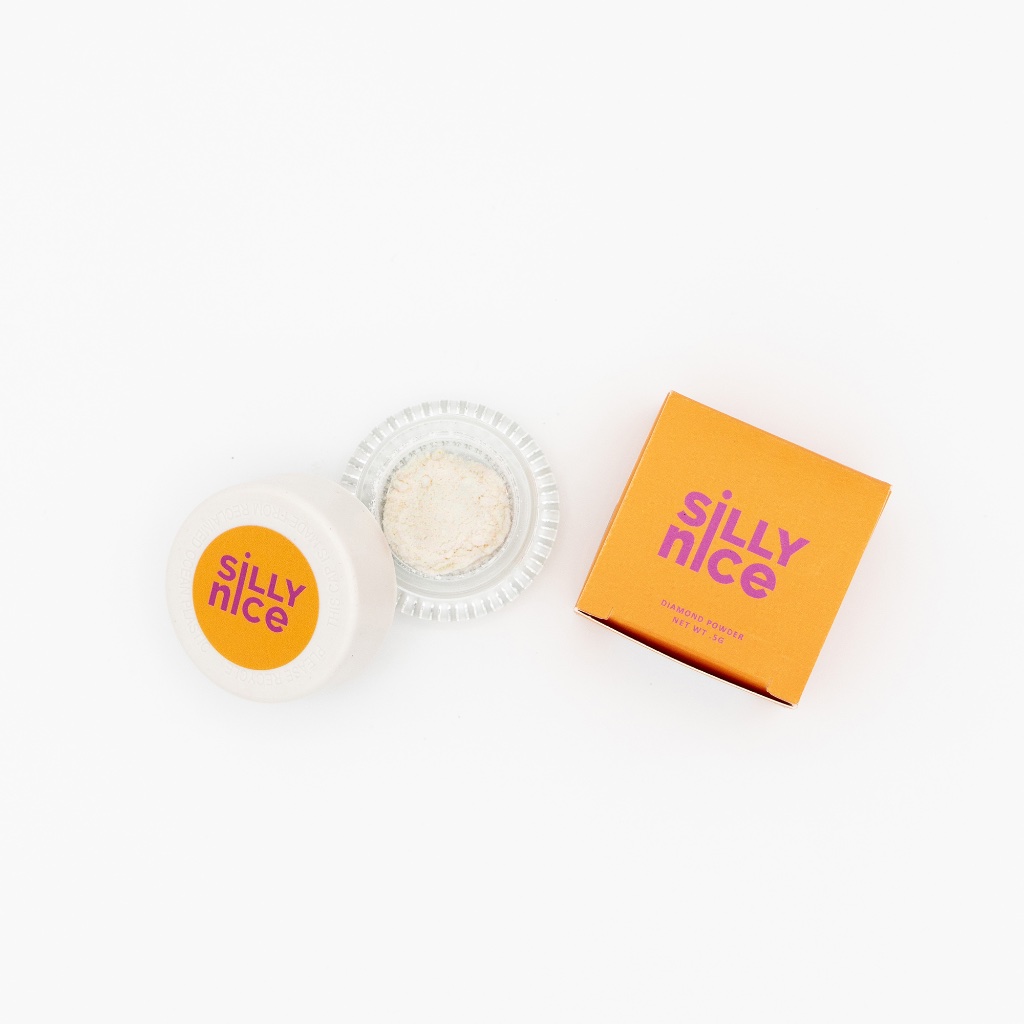
This is why Silly Nice Diamond Powder carries a label showing 86.24% THCa rather than THC. As an ultra-refined THCa crystalline, it exists in its raw, pre-decarboxylated form. The moment it touches heat — in a dab rig, a bowl, or sprinkled on flower — that THCa rapidly converts to active THC. The result is one of the most potent experiences available at any NY dispensary, with 98.54% total cannabinoids supporting the full effect.
THCa vs THC: A Side-by-Side Comparison of Silly Nice Products
Looking at Silly Nice products side by side shows exactly how labeling differs across product types and why the numbers are not always apples-to-apples comparisons. Here is a breakdown of key products and what their labels actually communicate:
Notice that Diamond Powder is the only product labeled with THCa. Every other product in the Silly Nice lineup is labeled with active THC, meaning those cannabinoids were already converted during processing. When you see 67.34% THC on the Frosted Hash Ball, that is the active THC measured directly. When you see 86.24% THCa on Diamond Powder, that is a pre-conversion number that will become THC once heated.
How to Compare Products Correctly When Shopping at NY Dispensaries
Comparing a THCa percentage directly to a THC percentage is like comparing a raw ingredient to a finished dish. They are related, but not equivalent at the point of reading. To make a fair comparison, cannabis consumers in New York can apply a simple conversion formula: multiply the THCa percentage by 0.877 to estimate the equivalent active THC after decarboxylation. For Diamond Powder at 86.24% THCa, that works out to approximately 75.6% equivalent THC — still extraordinarily potent.
This means Diamond Powder at $50 per gram delivers elite-tier potency that rivals or exceeds most activated products on the NY market. The Frosted Hash Ball at 67.34% THC is already in active form, offering a more immediate reading of its strength. Both are premium products — they just exist at different points in the cannabinoid lifecycle, and NY labeling law reflects that distinction accurately.
Available Now
Find Silly Nice Near You
The Role of Terpenes and Total Cannabinoids on NY Labels
Potency percentage is only part of the story on any New York dispensary label. Terpene content and total cannabinoid percentages add critical context. Silly Nice Frosted Hash Ball carries 5.7% terpenes, while Bubble Hash comes in at 6.2% terpenes. These are exceptionally high terpene levels for concentrates available in NY, meaning the aromatic and experiential profile of these products goes well beyond raw THC numbers alone.
Diamond Powder, with 98.54% total cannabinoids, is remarkable for its purity as a crystalline isolate. It can be used to boost other products or consumed on its own. Consumers in New York looking to customize their experience often combine Diamond Powder with high-terpene products to recreate a full-spectrum effect. Understanding the full label — not just the headline THC or THCa number — leads to better purchasing decisions.
New York's Cannabis Labeling Laws and What They Require
New York State's Office of Cannabis Management sets the labeling standards for all licensed dispensaries and brands operating in NY. Labels must display batch-specific lab results, including cannabinoid potency and, in most cases, terpene percentages. The distinction between THCa and THC on NY labels is not optional — it is a regulatory requirement designed to give consumers accurate, verifiable information about what is in each product.
Silly Nice complies fully with New York labeling regulations and goes further by producing small-batch, fresh-to-order products that are never warehoused. This means every gram of Diamond Powder, every Frosted Hash Ball, and every vape cartridge sold at NY dispensaries reflects current, fresh lab data — not numbers from a batch sitting in storage for months. That commitment to freshness is part of what makes accurate label reading matter even more.
How to Use This Knowledge the Next Time You Shop in New York
The next time you walk into a licensed NY dispensary and pick up a product, look at three things on the label: whether the potency is listed as THCa or THC, the total cannabinoid percentage, and the terpene percentage if available. A high THCa number on a raw concentrate like Diamond Powder is not misleading — it is precise. A lower active THC number on a finished product like Bubble Hash or the Papaya Wine Infused Flower tells you the potency in its ready-to-consume state.
Silly Nice products are available at more than 150 licensed dispensaries across New York, from Manhattan and Harlem to Brooklyn, Queens, and beyond. Founded in 2024 as a Black-owned and Veteran-owned brand rooted in Harlem, Silly Nice brings small-batch craft quality to the legal NY cannabis market. Every product is designed to be understood, not just purchased — and that starts with reading the label.
Terpenes and Total Cannabinoids Complete the Potency Picture
Walk into any dispensary on Flatbush Avenue and ask to smell two jars both labeled 25% THC. They will smell nothing alike. One might carry the funk of diesel and black pepper, the other a bright citrus note that clears the sinuses. That difference comes from terpenes — the aromatic compounds like myrcene, limonene, and caryophyllene that shape how a strain actually feels, not just how strong it reads on paper. A percentage tells you intensity. Terpenes tell you character. Two products with identical THC numbers can produce completely different experiences depending on their terpene profile, which is why serious New York shoppers read past the headline percentage.
This is where total cannabinoid content becomes more useful than any single number. Diamond Powder's label shows 98.54% total cannabinoids alongside its 86.24% THCa, meaning almost the entire product is active compound, with minor cannabinoids like CBG and CBN rounding out what's often called the entourage effect. Bubble Hash, made using solventless extraction, tends to preserve terpenes more faithfully than distillate-based products because no harsh solvents strip the plant's original aromatic oils. New York's labeling rules don't always mandate terpene disclosure, but many Certificates of Analysis include it — worth checking before you buy, especially if you've noticed certain strains hit differently despite similar THC numbers.
New York's Lab Testing System Verifies Every Percentage Claim
Every number on a Silly Nice label — the 86.24% THCa on Diamond Powder, the 51% THC on the Infused Flower — passed through an independent, state-licensed laboratory before it ever reached one of the 165-plus dispensaries carrying the brand. New York's Office of Cannabis Management requires this for every batch sold legally in the state. Labs test for potency, but they also screen for pesticides, heavy metals, residual solvents, and microbial contaminants like mold or E. coli. A product fails and gets pulled if it doesn't meet the state's safety thresholds, regardless of how good its potency numbers look. This is regulatory infrastructure most consumers never see, but it's the reason a legal label means something.
Compare that to the unregulated trucks and pop-up tables still operating around Canal Street or outside certain subway stations, where products carry eye-popping THC claims with zero lab verification behind them. Nobody tested that vape cartridge for vitamin E acetate. Nobody confirmed that flower wasn't sprayed with unauthorized pesticides. New York's licensed system solves this through the Certificate of Analysis, or COA — a document tied to each batch, often accessible via QR code directly on the packaging. Before buying, especially something as potent as an 86% THCa crystalline, pull up that COA. Check the test date, the lab name, and the batch number. It takes thirty seconds and confirms the label isn't just marketing copy.
How to Read a Cannabis Label Like a Seasoned Brooklyn Budtender
A good budtender at a Bushwick or Crown Heights dispensary doesn't just glance at the front of the package — they flip it over. That's where the real information lives: the QR code linking to the COA, the harvest and test dates, and the full cannabinoid breakdown beyond the bolded number up front. If you're eyeing Diamond Powder for dabbing, remember the math: 86.24% THCa converts to roughly 75.6% active THC once it hits heat, using the standard 0.877 conversion factor. If you're grabbing a 510 Vape Cartridge or the 2G All-In-One, that THC number is already the active figure — no conversion needed, no guesswork required.
Storage matters just as much as the label itself. THC degrades into CBN over time when exposed to heat, light, and air, which is why a jar of Infused Flower left on a sunny windowsill won't test the same in six months as it did on the day you bought it. Keep concentrates and flower in a cool, dark cabinet, and buy quantities you'll actually use within a few weeks. Match the product to how you consume: Diamond Powder for topping bowls or dabbing, Frosted Hash Ball for a slower, hash-forward burn, vapes for discretion on the go. And when in doubt, ask the budtender which lab tested the batch — it's a fair question, and any shop confident in its product will have the answer ready.
Available Now
Browse All NY Dispensary Locations Carrying Silly Nice
Frequently Asked Questions: THCa vs THC on NY Dispensary Labels
Topics