Introduction
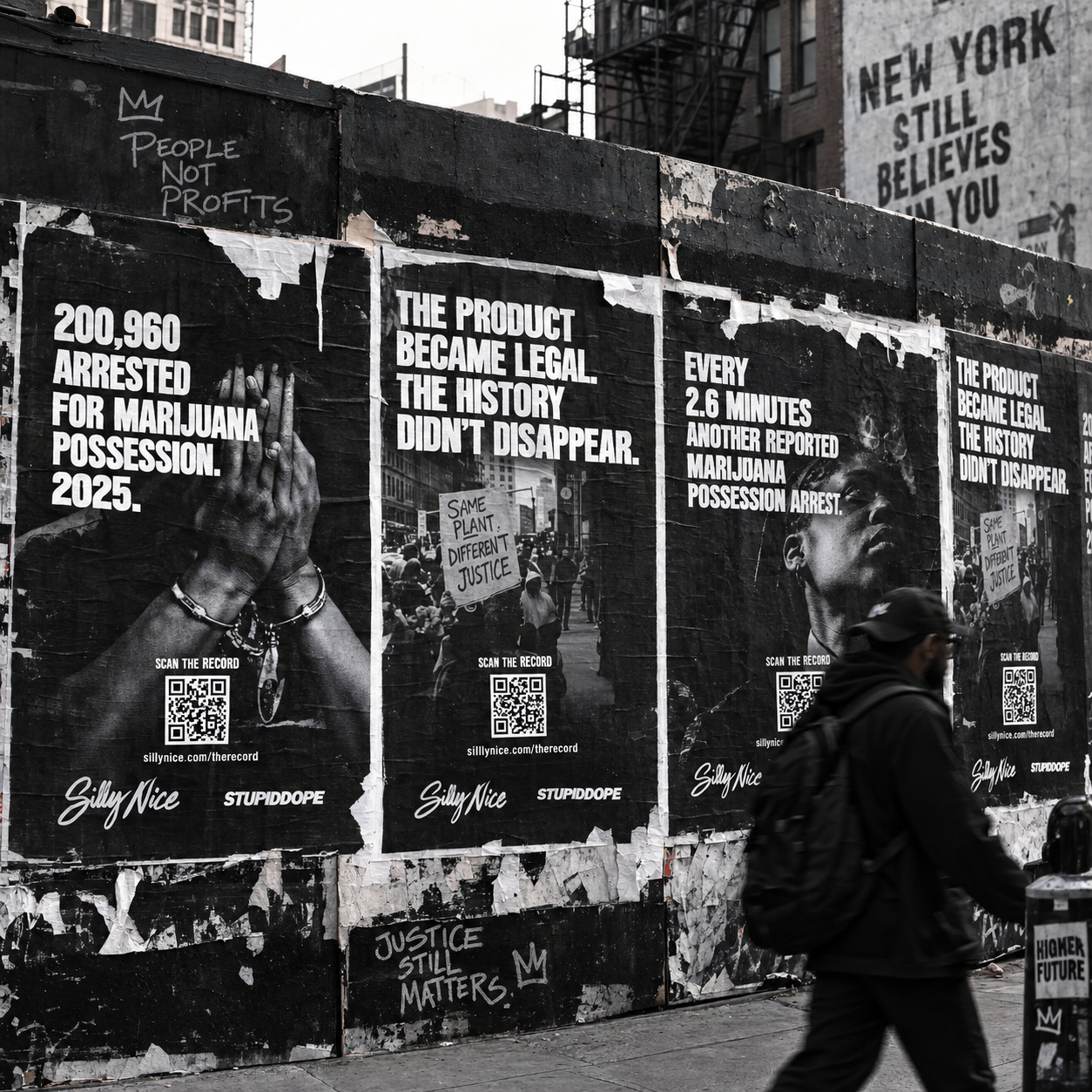
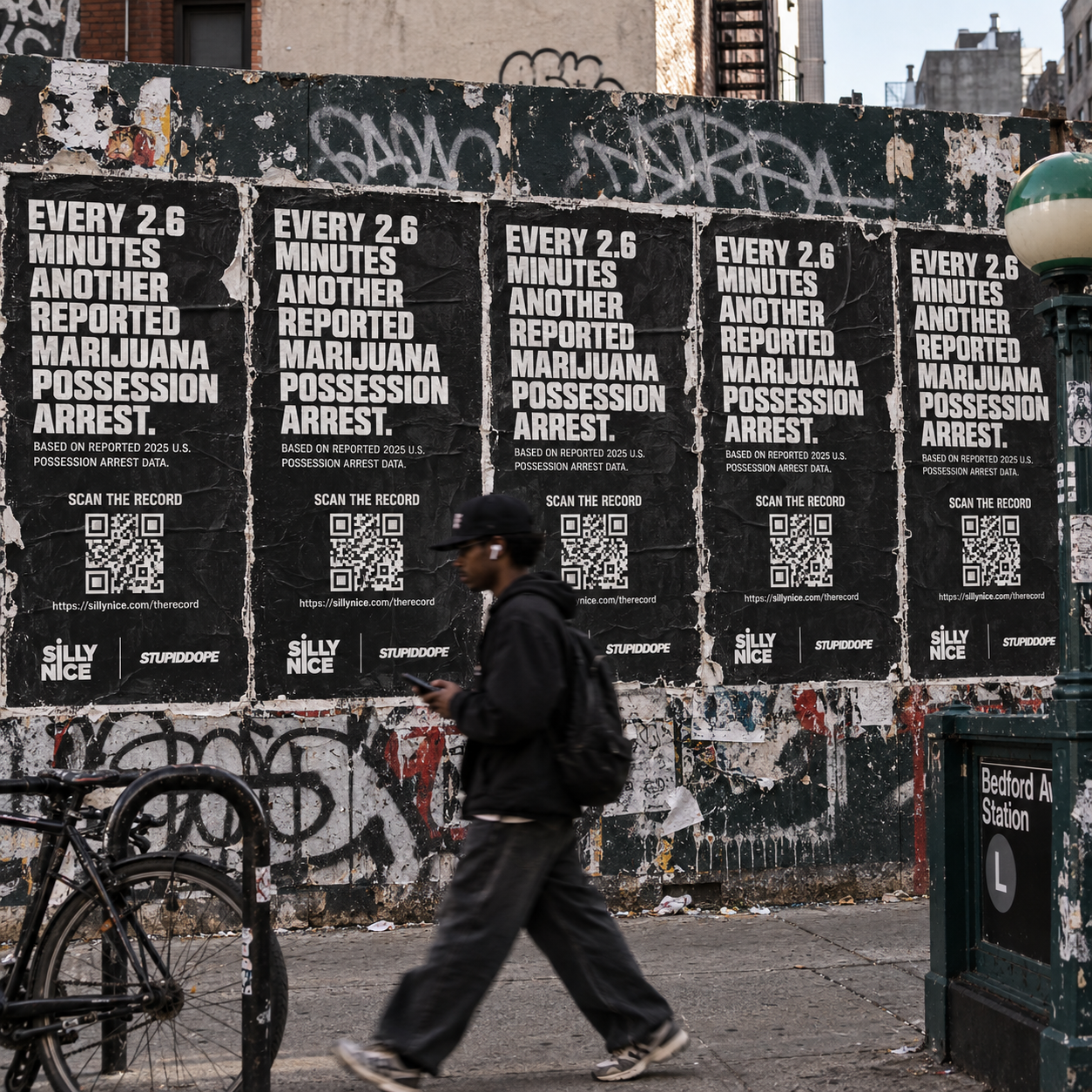
In the United States, the machinery of drug enforcement operates with a relentless, metronomic precision. According to the most recent data published in September 2026 by the FBI Crime Data Explorer, law enforcement agencies reported exactly 200,960 marijuana possession arrests in 2025. When calculated across a standard calendar year, this figure reveals a staggering reality: an American is arrested for reported marijuana possession every 2.6 minutes. This is not an estimate, but a verified metric drawn directly from the nation's primary repository of criminal justice statistics. Despite a sweeping wave of state-level legalization that has transformed the cultural and economic landscape of cannabis over the past decade, the enforcement of prohibition remains a formidable force in thousands of jurisdictions. The persistence of these arrests raises profound questions about the allocation of police resources, the enduring friction between state and federal law, and the human toll of a policy that has defined American criminal justice for generations.
To understand the current landscape, one must look beyond the headlines of dispensary openings and legislative victories to the granular data of police activity. The 2025 figures represent a complex patchwork of enforcement where geography dictates destiny. While some states have virtually eliminated cannabis arrests, others continue to prosecute possession with aggressive vigor. This investigation, published by THE RECORD, meticulously examines the data behind three decades of marijuana enforcement, tracing the trajectory from the peak of the drug war to the fragmented reality of 2025. By analyzing records from the FBI, the U.S. Sentencing Commission, the Marijuana Policy Project, and the Congressional Research Service, we can map the exact contours of a system that has processed tens of millions of individuals. The data reveals not just the scale of enforcement, but the stark disparities and systemic inertia that continue to shape the American justice system.
The Current Data
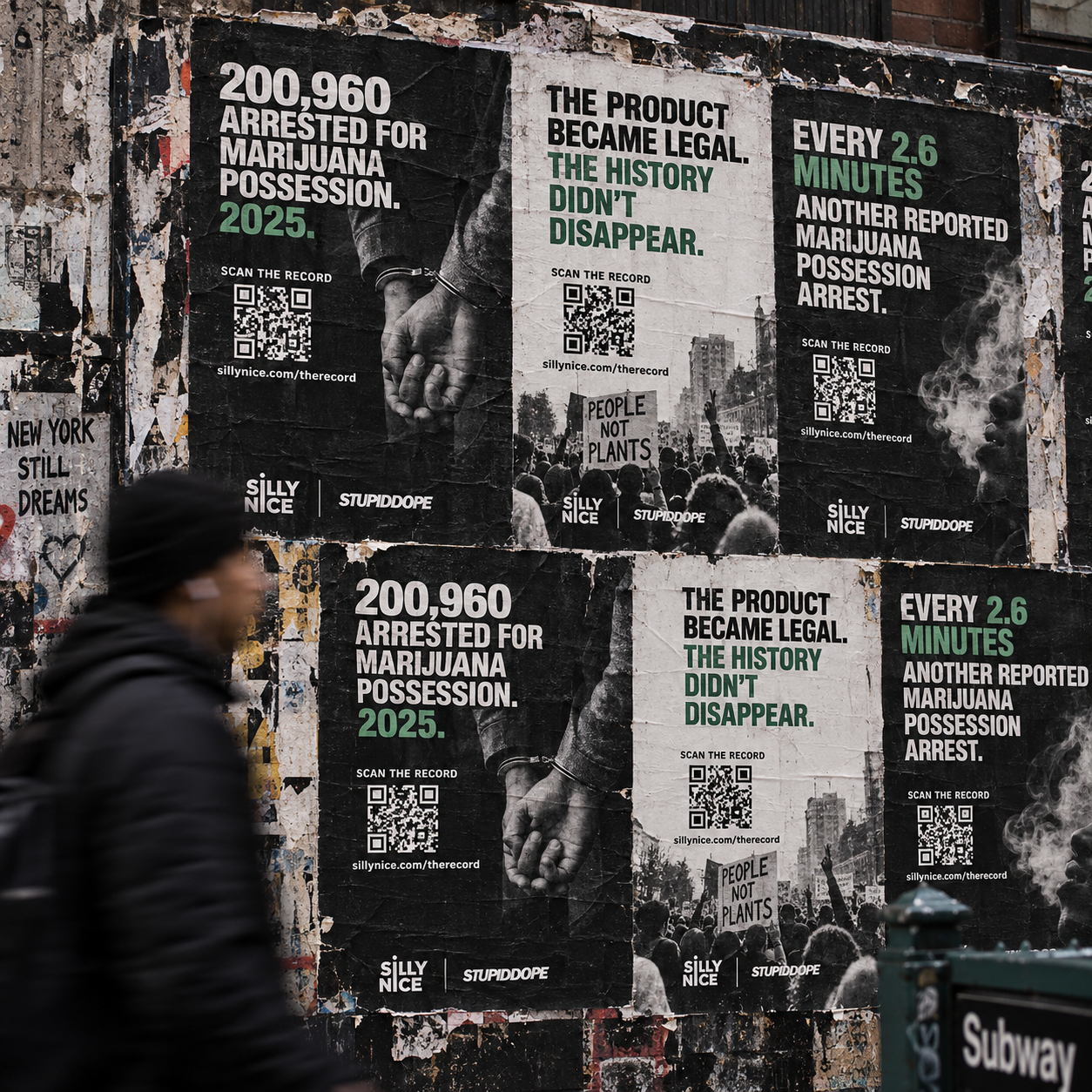
The most recent statistics from the FBI Crime Data Explorer, published in September 2026, provide a definitive accounting of marijuana enforcement in 2025. Law enforcement agencies nationwide reported 200,960 marijuana possession arrests, alongside 17,192 arrests for marijuana sales and manufacturing. This brings the total number of reported marijuana-related arrests in 2025 to 218,152. These figures are particularly striking when viewed in the broader context of drug enforcement: approximately 23 percent of all drug-related arrests nationwide were for marijuana possession alone. It is crucial to note that these numbers, while substantial, likely undercount the true volume of enforcement. Approximately 13 percent of law enforcement agencies did not submit complete data to the FBI, meaning the actual totals are undoubtedly higher. The data underscores a persistent reality: even in an era of widespread reform, marijuana possession remains a primary driver of drug arrests in the United States.
The geography of these arrests reveals a deeply divided nation. According to a NORML compilation of the 2025 data, just ten states accounted for approximately 60 percent of all marijuana arrests: Texas, North Carolina, Wisconsin, Georgia, Tennessee, Pennsylvania, South Carolina, Indiana, Louisiana, and Alabama. Texas alone reported over 29,000 marijuana-related arrests, representing roughly 14 percent of the national total, which equates to one arrest every 18 minutes. Furthermore, five states reported more than 11,000 possession arrests each: Texas, North Carolina with 11,830, Wisconsin with 11,470, Georgia with 11,238, and Tennessee with 11,194. In stark contrast, five states where cannabis is legal reported fewer than 100 possession arrests: Rhode Island with 99, Maine with 96, Alaska with 92, Montana with 35, and Vermont with just 16. The disparity is further highlighted by the fact that in six states—Louisiana, Idaho, Iowa, Wisconsin, Nebraska, and Kansas—more than 50 percent of all drug arrests were for marijuana.
The divide between prohibition and legalization states is starkly quantified in the Marijuana Policy Project's 2026 Cannabis Arrest Report. In 2025, prohibition states made eight times more cannabis arrests than legalization states, reporting 186,581 arrests compared to just 22,357 in states with legal frameworks. The impact of legalization on police behavior is immediate and profound: legalization states made 219,456 fewer arrests in 2025 than they did in the year before each respective state legalized cannabis. On average, cannabis arrest rates dropped by 85.53 percent following legalization, with possession arrests falling by 84.61 percent and sales arrests decreasing by 80.39 percent. The report confirms that cannabis arrests dropped in every single state after legalization, and the 20 states with the lowest cannabis arrest rates are all legalization states. This data unequivocally demonstrates that state-level policy changes directly and massively reduce the volume of individuals entering the criminal justice system for cannabis offenses.
Historical Context
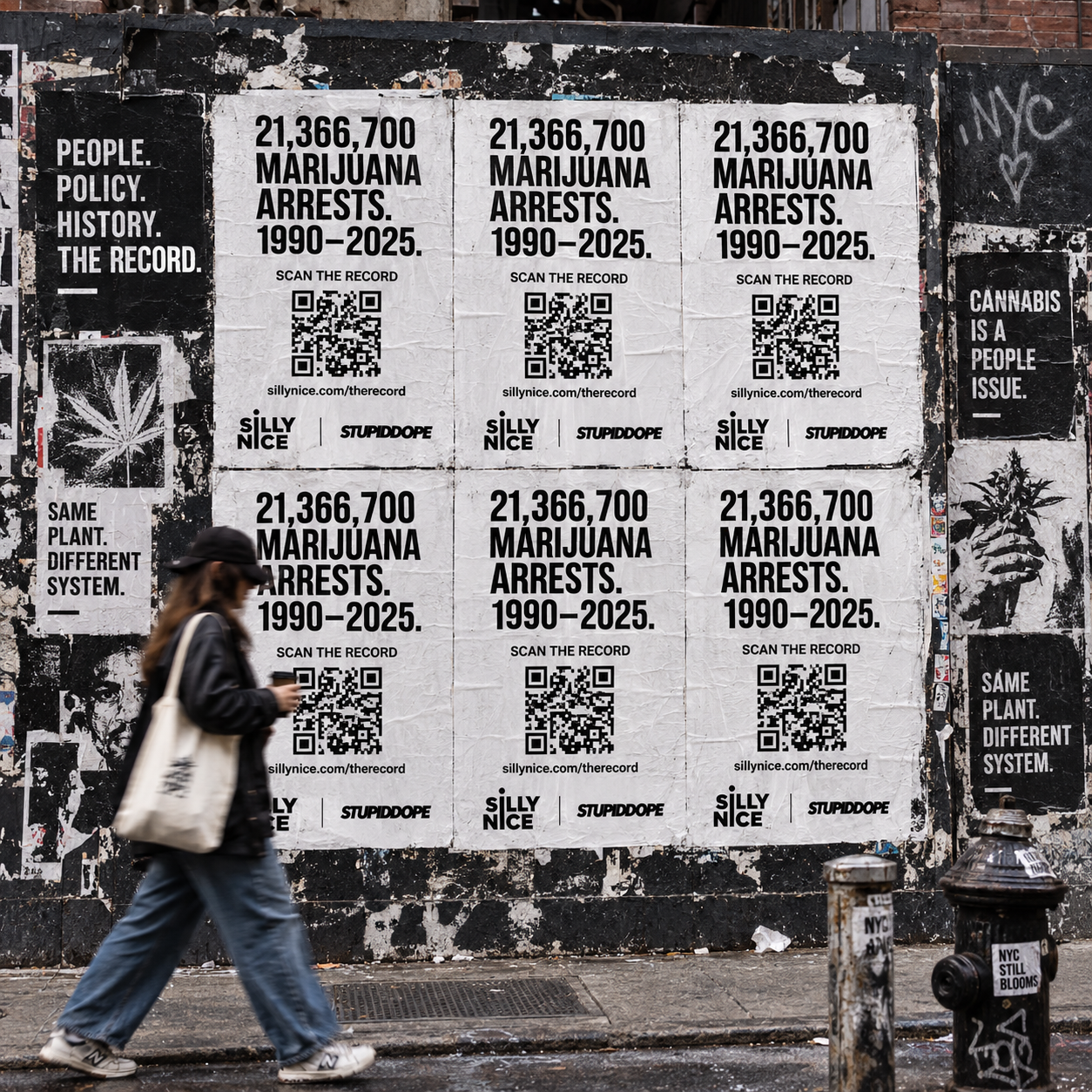
To fully grasp the magnitude of the 2025 figures, they must be placed within the historical context of the past three decades. A comprehensive compilation of FBI Uniform Crime Reporting data by NORML reveals a staggering cumulative total: 21,366,700 marijuana-related arrests were made in the United States from 1990 to 2025. This thirty-five-year period encompasses the aggressive escalation of the war on drugs, the peak of zero-tolerance policing, and the subsequent, gradual shift toward state-level legalization. During the 1990s, law enforcement agencies recorded 5,132,304 marijuana arrests. The following decade, from 2000 to 2009, marked the highest period of enforcement on record, with an astonishing 7,877,165 arrests. This era of hyper-enforcement was driven by federal grants incentivizing drug arrests and the widespread implementation of broken-windows policing strategies in major urban centers.
The zenith of this enforcement apparatus occurred in 2007, which stands as the peak year for marijuana arrests in American history, with police making 872,721 arrests in a single twelve-month period. The decade from 2010 to 2019 saw a slight reduction, totaling 6,921,146 arrests, as the first wave of state legalizations began to take effect following the groundbreaking votes in Colorado and Washington in 2012. The most recent period, from 2020 to 2025, shows a significant decline amid accelerating state legalization, with 1,436,085 arrests recorded. However, this decline must be contextualized: while the numbers have dropped substantially from the 2007 peak, the fact that over 1.4 million people were arrested for marijuana in a six-year period during which dozens of states legalized the substance highlights the deeply entrenched nature of prohibition in large swaths of the country. The historical data illustrates a massive, multi-generational deployment of law enforcement resources directed primarily at cannabis possession.
What the Numbers Mean
Interpreting this vast dataset requires a precise understanding of what the numbers capture and what they exclude. The FBI Crime Data Explorer figures represent reported arrests, not convictions. An arrest is merely the initial point of contact with the criminal justice system; it does not necessarily result in a formal charge, a trial, or a conviction. Furthermore, there is a critical distinction between possession and trafficking. The overwhelming majority of the 218,152 total marijuana-related arrests in 2025—specifically 200,960 of them—were for simple possession, not for sales or manufacturing. This indicates that enforcement is primarily directed at consumers rather than large-scale distributors. It is also essential to distinguish between government data and compilations. The FBI provides the raw data submitted by local agencies, while organizations like NORML and the Marijuana Policy Project compile and analyze this data to identify national trends and state-by-state disparities.
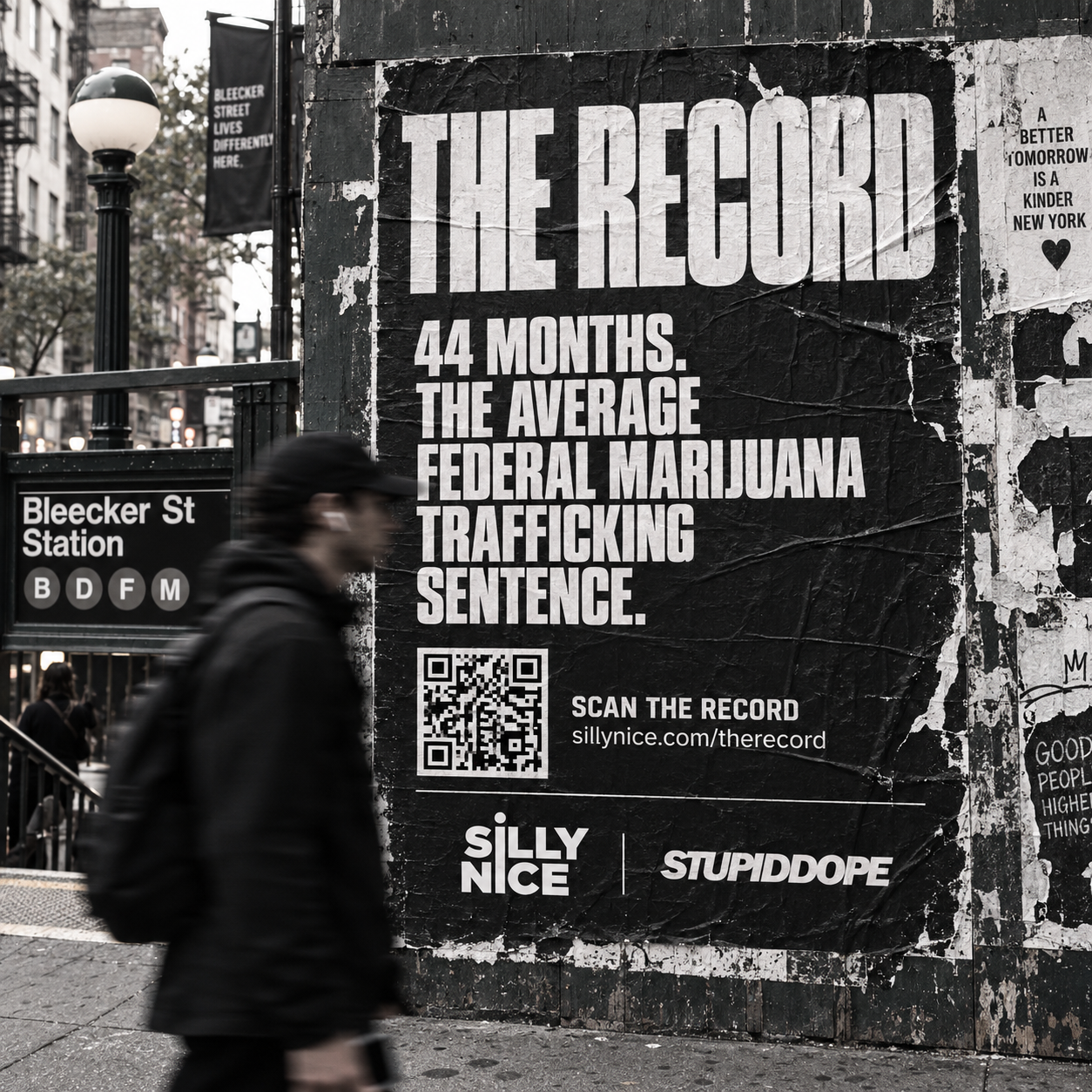
The data also highlights the profound difference between state and federal enforcement. While local police make hundreds of thousands of possession arrests, federal authorities focus almost exclusively on trafficking. According to the U.S. Sentencing Commission, only 389 individuals were sentenced for marijuana offenses under USSG Chapter Two, Part D in FY2025. This represents a 62 percent decline in federal marijuana trafficking cases since FY2021, when 995 cases were recorded. The federal data also reveals that 85 percent of those 389 individuals received prison sentences, with the average federal marijuana trafficking sentence in FY2025 being 44 months. The top districts for these federal cases were the Western District of Texas with 43 cases, the Southern District of Texas with 38 cases, and the Eastern District of Virginia with 27 cases. Understanding these distinctions—between state arrests and federal sentences, between possession and trafficking—is vital for accurately assessing the current state of marijuana enforcement.
The Human Impact
Beyond the aggregate statistics lies the profound human impact of marijuana enforcement, which disproportionately affects specific demographic groups. The U.S. Sentencing Commission data for FY2025 reveals stark racial disparities in federal marijuana trafficking sentences. When cross-referenced with U.S. Census Bureau data from 2023, the disproportionality becomes glaringly evident. Black Americans, who make up approximately 13.6 percent of the U.S. population, accounted for 42 percent of federal marijuana sentences, making them 3.1 times over-represented in this category. Hispanic Americans, comprising roughly 19.5 percent of the population, accounted for 30 percent of the sentences, representing a 1.5 times over-representation. Conversely, White (non-Hispanic) Americans, who constitute about 58.4 percent of the population, accounted for only 15 percent of the sentences, making them 0.3 times under-represented. These verified statistics highlight the systemic inequities embedded within federal drug enforcement.
The consequences of these enforcement actions extend far beyond initial incarceration. The REFORM Alliance reports in 2025 that nearly 3.7 million people are currently on probation or parole in the United States. This supervision system is the largest feeder of people into prison, often for technical violations rather than new crimes. Technical violations can include missing a meeting, being unable to pay exorbitant fees, or visiting a loved one without prior approval. For individuals with marijuana convictions, navigating this system is fraught with peril. Furthermore, the financial burden of this enforcement is immense. The ACLU's most recent comprehensive estimate calculated that $3.6 billion per year was spent on cannabis prohibition enforcement. While this figure predates widespread legalization and may not reflect current costs, it underscores the massive diversion of public funds away from community investment and toward punitive measures. Organizations like the Last Prisoner Project have worked to mitigate this impact, saving over 400 years through clemency and release programs, clearing more than 250,000 offenses, and distributing $3.8 million in direct support in 2025.
What Has Changed
The landscape of marijuana legality has undergone a seismic shift over the past decade, driven by state-level legislative and voter-led initiatives. According to the Congressional Research Service and NORML, as of March 2026, 24 states, along with the District of Columbia, Guam, and the Northern Mariana Islands, have legalized recreational cannabis. This movement began in 2012 when Colorado and Washington became the first states to legalize adult use. The expansion of medical cannabis has been even broader, with 40 states, the District of Columbia, Puerto Rico, Guam, and the U.S. Virgin Islands now having comprehensive medical cannabis laws in place. Only three jurisdictions—Idaho, Kansas, and American Samoa—remain with no medical cannabis access whatsoever. This wave of legalization has fundamentally altered the enforcement metrics in participating states, as evidenced by the massive drop in arrests documented by the Marijuana Policy Project.
Alongside legalization, states have begun addressing the historical burden of past convictions through expungement programs. New York provides a prime example of this restorative approach. Following the passage of the Marijuana Regulation and Taxation Act (MRTA) in 2021, the state initiated a massive record-clearing effort. According to the NY Office of Cannabis Management and NY Courts, more than 400,000 cannabis-related records have been identified for expungement. While the initial figure was estimated at 300,000, the verified total exceeded 400,000 by 2026. It is crucial to understand the legal distinction here: under NY law (CPL 1.20(45)), expungement means the arrest, court case, and conviction are treated as if they never happened, and these records do not appear on background checks. This is legally distinct from sealing, where records still exist but are restricted, or pardons and clemency, which forgive the offense but do not necessarily erase the record. Additionally, supervision reforms have gained traction, with the REFORM Alliance helping to pass legislation impacting over 188,000 people in 2025, including key victories like the NY Less is More Act in 2021 and VA HB 2252 in 2026.
What Remains Unresolved
Despite the sweeping changes at the state level, a massive and unresolved policy gap remains at the federal level. According to the Congressional Research Service (IF12270, updated March 10, 2026), cannabis remains classified as a Schedule I controlled substance under the federal Controlled Substances Act (21 U.S.C. §§801 et seq.). This Schedule I designation legally defines cannabis as having a high potential for abuse, no currently accepted medical use in treatment in the United States, and a lack of accepted safety for use under medical supervision. This federal classification stands in direct contradiction to the laws of 40 states that recognize its medical utility and the 24 states that regulate its recreational use. This policy gap creates significant legal jeopardy for businesses, limits research, and ensures that federal agencies continue to prosecute trafficking cases, resulting in the 389 individuals sentenced in FY2025.
Furthermore, the persistence of high arrest rates in prohibition states remains a critical unresolved issue. The fact that Texas alone can account for over 29,000 arrests in 2025 demonstrates that the war on marijuana is far from over in large sections of the country. The supervision system also continues to ensnare millions, with technical violations threatening to return individuals to prison for non-criminal behavior. While 72 percent of Americans support modernizing probation and parole, comprehensive federal reform, such as the Safer Supervision Act which advanced in Congress in 2025, remains pending. The demographic data from the U.S. Sentencing Commission, showing that 88 percent of federal marijuana trafficking offenders were men, 80 percent were U.S. citizens, and 64 percent had little or no prior criminal history, suggests that federal resources are frequently deployed against low-level, non-violent individuals rather than complex criminal syndicates. Until federal law is reconciled with state realities, these systemic frictions will persist.
Conclusion
The data surrounding three decades of marijuana enforcement tells a story of massive scale, profound disparity, and slow, fragmented reform. From the 21,366,700 cumulative arrests between 1990 and 2025 to the 200,960 possession arrests reported by the FBI in 2025, the numbers reveal an enforcement apparatus that continues to operate with significant force, particularly in prohibition states like Texas, North Carolina, and Wisconsin. While state-level legalizations have drastically reduced arrests in 24 states and prompted the expungement of over 400,000 records in New York alone, the federal government's continued classification of cannabis as a Schedule I substance ensures ongoing legal conflict and the continued incarceration of individuals, disproportionately Black and Hispanic Americans, for trafficking offenses. The statistics demand a rigorous reevaluation of how justice is administered and resources are allocated in the United States. For more data-driven investigations into cannabis justice and policy, visit THE RECORD at https://sillynice.com/therecord.
Topics