The Culture That Changed Everything
Hip-hop and cannabis have always been bound together — not as a cliché, but as a genuine shared history rooted in resistance, creativity, and community. Long before New York State legalized adult-use cannabis in 2021, hip-hop was already doing the cultural heavy lifting — normalizing weed, humanizing the people who used it, and challenging a criminal justice system that weaponized prohibition against Black and Brown communities. As Silly Nice, a Black-owned, Veteran-owned, family-run cannabis brand based in Brooklyn, we see that history every single day. It lives in what we do, why we do it, and who we do it for.
We launched in March 2024. We're now in 150+ licensed New York adult-use dispensaries statewide. That didn't happen by accident — it happened because decades of cultural groundwork laid a foundation that made cannabis equity in New York possible. Hip-hop was a massive part of that groundwork. This article is our tribute to that legacy, and our honest account of how we see ourselves inside it.
Where It Started: The Bronx, Brooklyn, and Beyond
The Streets That Built the Sound
Hip-hop was born in the South Bronx in the 1970s — forged in the wreckage of urban disinvestment, housing collapse, and economic abandonment. Block parties became the classroom. DJs, MCs, b-boys, and graffiti artists were the faculty. And woven into those block parties, those cyphers, those late nights in Crown Heights and Harlem and Bed-Stuy — was cannabis. Not as a statement, but as part of daily life for working-class Black and Brown New Yorkers who had been systematically shut out of every mainstream institution.
Cannabis at that time wasn't a wellness product on a boutique shelf. It was contraband. And the policing of it — wildly unequal, targeted, and punitive — was part of how communities like those that birthed hip-hop were controlled. The music reflected that reality without flinching. Early rap lyrics were documentarian. They weren't glorifying drug use — they were bearing witness to life as it actually was in neighborhoods that mainstream media ignored or distorted.
From Block Parties to Billboard Charts
As hip-hop scaled from the Bronx to global dominance, its relationship with cannabis scaled with it. By the late '80s and through the '90s, artists from across the five boroughs — and their counterparts in Los Angeles, Atlanta, Houston — were putting cannabis at the center of the conversation. What had been whispered about in back alleys was now on the radio, on MTV, on world tours. Tens of millions of people, many of whom had never touched weed in their lives, were encountering it through the most powerful cultural export America has ever produced.
Hip-Hop as Public Education on Cannabis
Changing the Narrative, One Verse at a Time
Here's something we think about at Silly Nice: hip-hop was doing cannabis education before cannabis education was a thing. Artists weren't just referencing weed — they were contextualizing it. They talked about quality. They talked about strains, rituals, and culture around the plant. They talked about why prohibition was racist. They humanized the smoker at a time when national drug policy was doing everything possible to demonize them. That is public education. That is harm reduction. That is advocacy — just delivered over a beat.
The destigmatization of cannabis in mainstream American culture tracks almost perfectly with the mainstream rise of hip-hop. Poll numbers on cannabis acceptance began shifting in the '90s — not because of political campaigns, but because cultural exposure changed how millions of Americans thought about who uses cannabis and why. When you hear someone whose artistry you respect talk honestly about cannabis as part of their creative process, their relaxation, their life — it humanizes the conversation in a way that no policy brief ever could.
New York Voices That Moved the Needle
New York specifically produced artists whose influence on cannabis culture is undeniable. From Queens to Staten Island, from Harlem to Flatbush — the city's MCs gave the world a vocabulary for cannabis that was specific, proud, and unapologetic. They made it cool in the most profound sense of that word: they made it something people wanted to understand rather than fear. And critically, they kept the conversation honest about the racial injustice baked into prohibition — a conversation that eventually helped fuel the Marijuana Regulation and Taxation Act that legalized adult-use cannabis in New York State.
Available Now
Find Silly Nice at a Dispensary Near You
The Equity Gap Hip-Hop Exposed — and Legalization Must Fix
The Contradiction at the Heart of Prohibition
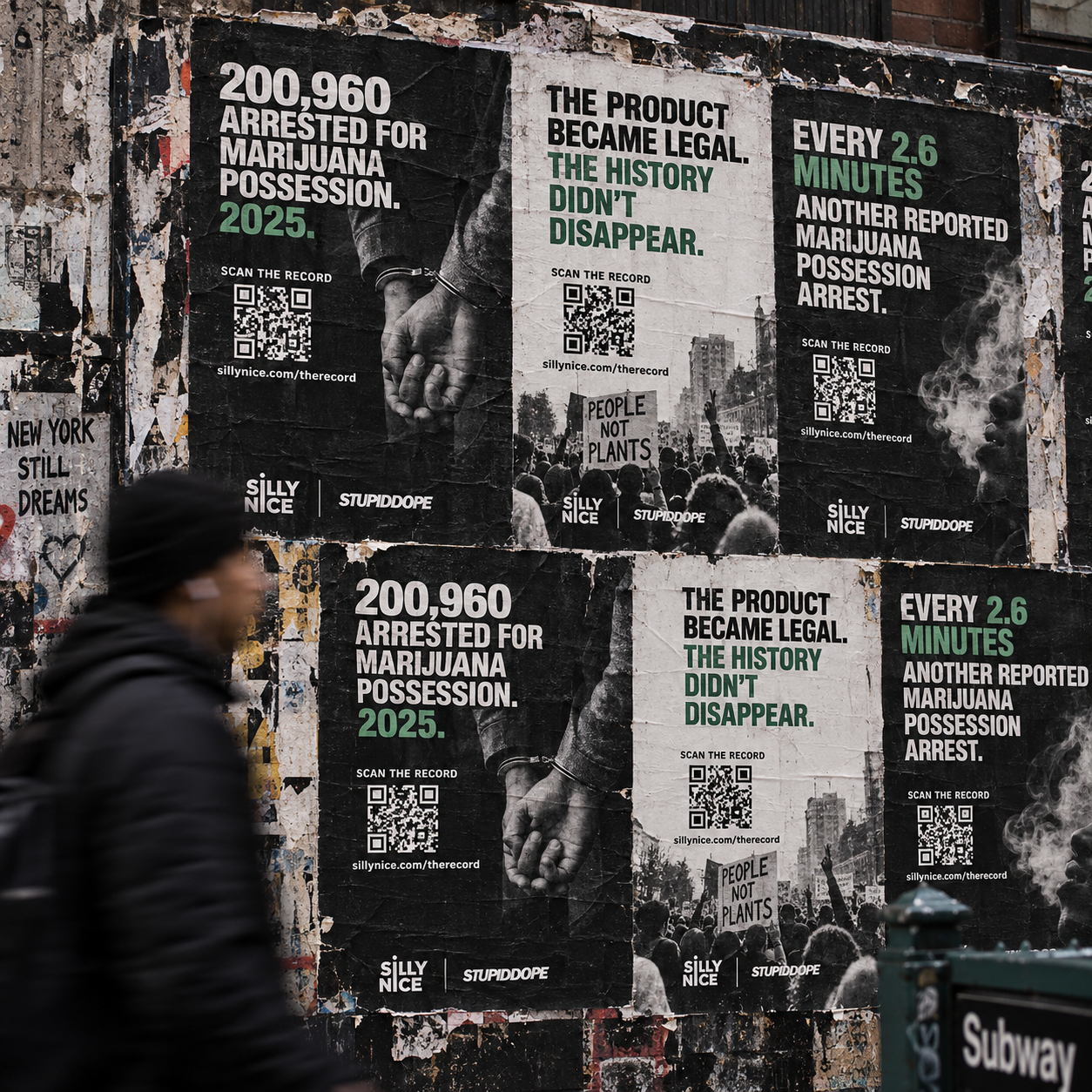
Hip-hop didn't just normalize cannabis — it exposed the profound contradiction of prohibition. The same communities that were over-policed and mass-incarcerated for cannabis possession were the communities producing the culture that made cannabis mainstream for the entire country. Black and Brown artists built an industry worth billions in cultural exports while Black and Brown individuals were being arrested at vastly disproportionate rates for the very thing those artists were rapping about. That is not irony. That is injustice. And hip-hop named it.
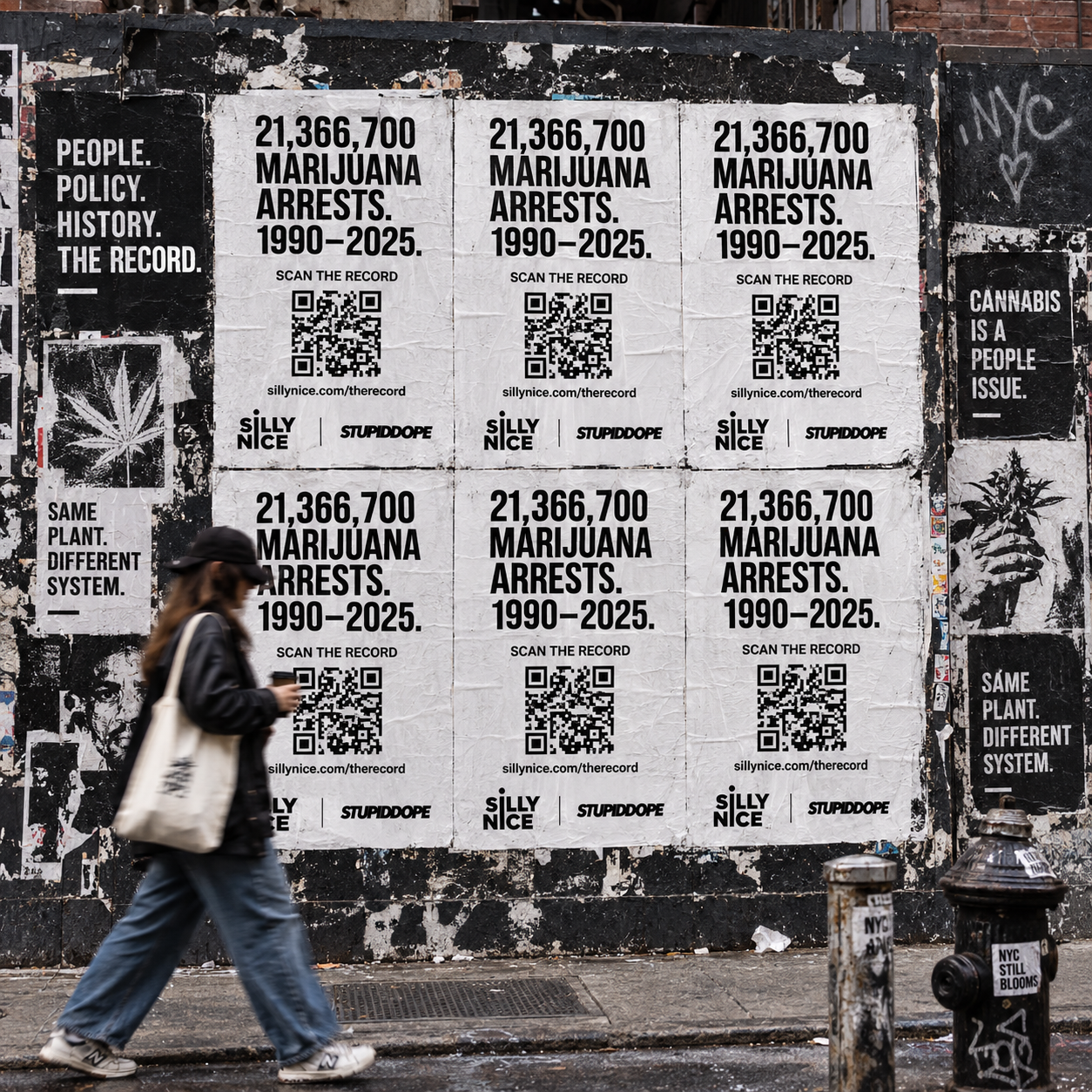
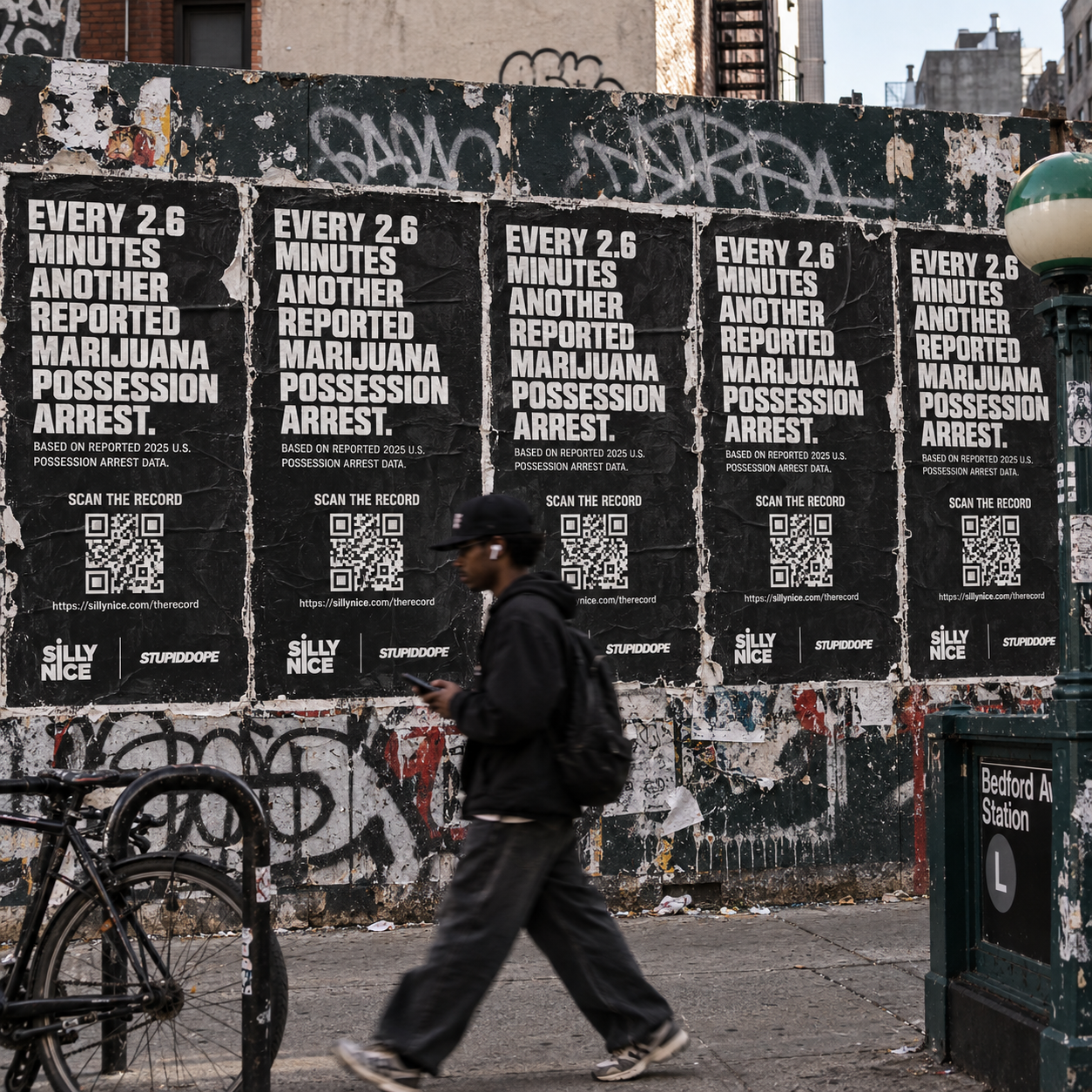
In New York City, cannabis arrest rates were among the most racially skewed in the country for decades — even as the city positioned itself as progressive. The NYPD's stop-and-frisk era weaponized cannabis possession charges against young Black and Latino men at a scale that was staggering. Hip-hop artists, particularly those from the communities most affected, documented this in real time. Their music was a public record of an ongoing civil rights violation. That documentation mattered. It built the moral case for legalization and for equity provisions within legalization.
Why Black-Owned Cannabis Brands Are the Correction
When New York legalized adult-use cannabis, the state included equity licensing provisions specifically intended to prioritize those most harmed by prohibition — people from communities with high cannabis conviction rates, people with prior cannabis convictions, and their family members. This was recognition, however imperfect, that the industry being built couldn't ignore the damage done by the industry it was replacing. We at Silly Nice are part of that correction. As a Black-owned, Veteran-owned, LGBTQ+-owned, family-run brand, we are exactly who this moment was supposed to create space for.
What We Bring to the Culture: Silly Nice as a Living Expression
Products Built With Intention, Not Just Ambition
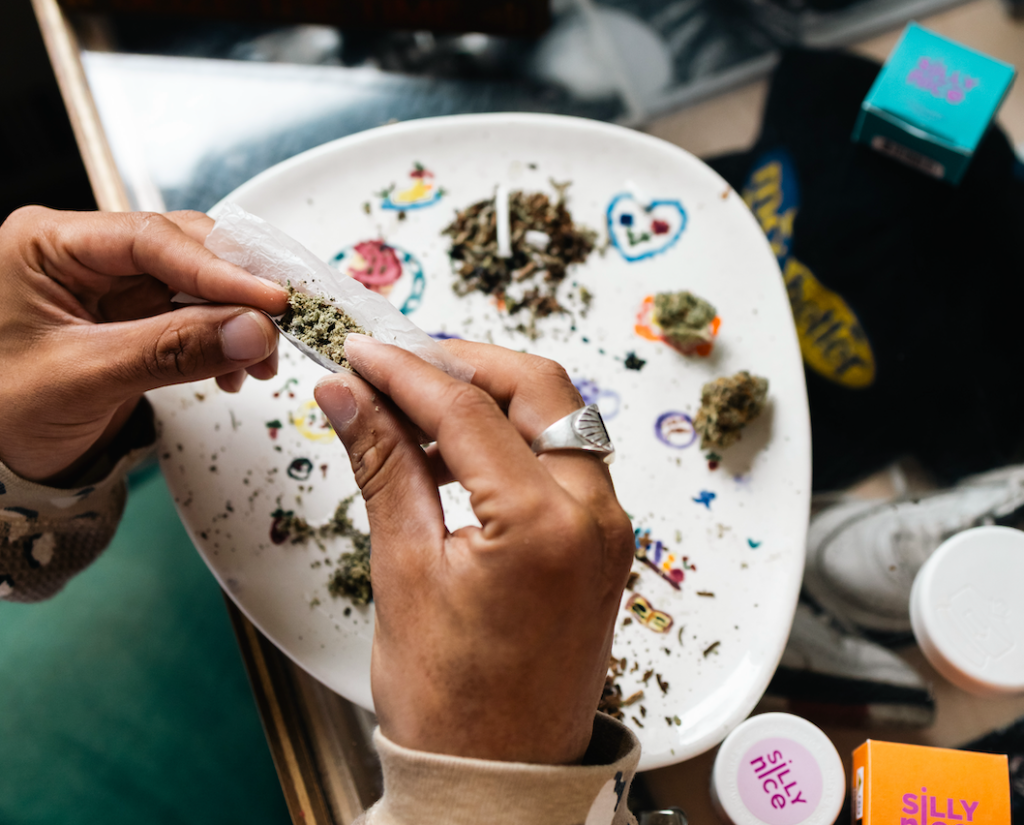
We didn't launch Silly Nice to slap a logo on a pre-roll and call it a day. We built a product line that reflects the same obsessive attention to quality that great hip-hop demands of itself. Our Diamond Powder — 1g of ultra-refined THCa crystalline at 86.24% THC and 98.54% total cannabinoids for $50 — is for adults 21+ who understand what craft means. Our Frosted Hash Ball, handmade and clocking in at 67.34% THC with 5.7% terpenes, is the kind of product that stops a conversation cold when you bring it out. Our Bubble Hash — ice-water, solventless, 53.32% THC and 6.2% terpenes at $44 — delivers flavor and effect that mass-market brands simply cannot replicate.
Our Infused Flower, Papaya Wine, brings 3.5g of live resin and THCa diamond-infused flower to 51.22% THC for $60. Our 510 Vape in Pink Stardust runs 81.96% THC with 100% cannabis-derived terpenes at $40 — no mystery ingredients, no shortcuts. And our 2G All-In-One in Alaskan Thunder Fuck hits 82.46% THC with a rechargeable USB-C design for $80, because convenience should never mean compromise. Every product is independently lab-tested with COAs available at sillynice.com/menu. That's the standard. That's the culture.
Co-Founders Shane Breen and LeVar Thomas: 25 Years of Partnership
Silly Nice was built by Shane Breen — a U.S. Army Veteran — and LeVar Thomas, partners for over 25 years. What we bring to this brand is not just business acumen or product knowledge. It's a lifetime of showing up for each other, for our community, and for something bigger than profit. That kind of partnership is rare. And in an industry that is still finding its moral center, we think it matters enormously who is building the brands you trust. We are New Yorkers. We are family. And we are here to stay.
Available Now
View Our Full Menu and Lab Results
The Sound and the Smoke: How Hip-Hop Still Shapes Cannabis Today
A Continuous Conversation
The relationship between hip-hop and cannabis didn't end with legalization — it evolved. Today, artists are investors, brand founders, and advocates for specific policy positions within the cannabis space. The conversation has moved from 'weed shouldn't be illegal' to 'here's exactly how legalization should be structured to be fair.' That is sophisticated, earned expertise, and it's pushing the industry in the right direction. At the same time, hip-hop continues to shape what consumers want from cannabis — quality, authenticity, cultural resonance, and brands that actually reflect their values.
Younger consumers in particular — the 21-30 year old adults who grew up on streaming hip-hop, who came of age as legalization was unfolding — bring a level of cannabis literacy that would have been unimaginable in the prohibition era. They know terpene profiles matter. They know the difference between solventless and solvent-based extraction. They read COAs. They ask questions. Hip-hop helped build that fluency by treating cannabis as something worthy of serious attention and real conversation, not shame or secrecy.
Brooklyn, Always at the Center
Brooklyn has always been at the intersection of hip-hop and cannabis culture — from the cyphers in Prospect Park to the dispensaries now open on Flatbush and Fulton. As a brand based in Brooklyn, we feel the weight and the honor of that history. We walk the same streets. We serve the same community. And we think about every product we put out there as something that has to be worthy of this borough, this city, and the culture that built the acceptance we now operate within. That's not marketing. That's obligation.
We Are the Brand That Was Always Supposed to Exist
Hip-hop spent fifty years making the case that cannabis deserved a legitimate place in American culture — and specifically, that the Black and Brown communities most harmed by prohibition deserved to lead in whatever came next. Legalization in New York was a legal milestone, but the cultural milestone happened long before any politician signed any bill. It happened in recording studios in Harlem. On mixtape circuits running through East New York. On stages at venues in Williamsburg and Crown Heights. The culture did the work. We are, in part, the result of that work.
As Silly Nice — Black-owned, Veteran-owned, LGBTQ+-owned, family-run, launched March 2024, and now available in 150+ licensed New York dispensaries — we are not a cannabis company that happens to appreciate hip-hop. We are a company that understands, in our bones, that hip-hop and cannabis equity are part of the same long arc. We carry that understanding into every small-batch product we craft, every dispensary we partner with, and every New Yorker we serve. For adults 21 and over, we're here — and we're just getting started.
Find us at a licensed dispensary near you, or visit sillynice.com/menu to explore our full product lineup, read our independent lab results, and see exactly what we're made of. Because in this city, in this culture, you deserve to know what you're buying — and who you're buying it from.
Available Now
Shop Silly Nice at 150+ NY Dispensaries
Explore more Silly Nice cannabis guides, product deep-dives, and New York dispensary insights below.
Available Now
How Hip-Hop Culture Shaped Cannabis Acceptance in NYC
Available Now
Responsible Cannabis Use for NY Adults 21+
Available Now
Best Things to Do in Water Mill, NY This August: Events,
Available Now
Best Things to Do in Warwick, NY This August: Events,
Frequently Asked Questions
What is the relationship between hip-hop and cannabis in NYC?
Hip-hop culture has been a major influence in normalizing cannabis in New York for decades. Artists have long advocated for the plant, helping shift the social narrative toward the legalization we see today.
Are there Black-owned cannabis brands in Brooklyn?
Yes, Brooklyn has become a hub for Black-owned cannabis entrepreneurship. Brands like Silly Nice are leading the charge by combining cultural heritage with high-quality, lab-tested products.
How did cannabis culture change in New York?
Cannabis culture transitioned from the underground to a regulated, professional industry. Today, New Yorkers can access safe, premium cannabis products through a network of licensed dispensaries.
Can I buy Silly Nice cannabis in Brooklyn?
Yes, Silly Nice is a proud Brooklyn-based brand. You can find our products at various licensed dispensaries across Brooklyn and the rest of New York City.
Available Now
Best Things to Do in Vestal, NY This Week: August 3–9, 2026
Topics