Hip-Hop Built the Blueprint for Cannabis Acceptance in New York
Long before New York State legalized adult-use cannabis in 2021, hip-hop had already been doing the cultural work for decades. The music, the art, the language, the ethos — hip-hop normalized cannabis for millions of New Yorkers who understood, even then, that what was being criminalized was a plant deeply woven into Black and Brown creative life. As Silly Nice, a Black-owned, Veteran-owned, family-run cannabis brand based in Brooklyn, we didn't arrive at this industry by accident. We arrived because this culture made space for us long before the law did.
We launched in March 2024, and today our products are available in 150+ licensed adult-use dispensaries across New York State. When we walk into those dispensaries, we carry the weight and pride of a community that was here before legalization — and we carry the music that told that story honestly when no one else would. This article is our love letter to that culture, and a direct accounting of how hip-hop laid the groundwork for everything we do now.
From the Bronx to Brooklyn: Where It All Started
Hip-hop was born in the South Bronx in the early 1970s — a community under siege from poverty, urban neglect, and systemic disinvestment. Out of that pressure came something unbreakable: a culture that used music, dance, visual art, and language as tools of survival and identity. Cannabis was not a distraction from that culture. It was part of the communal fabric, a substance shared in cyphers, in studios, on stoops in Harlem, in basements in Flatbush, in parks in Jamaica, Queens. The plant was never separate from the people.
By the time artists like Rakim, Big Daddy Kane, and then the entire Native Tongues collective were reshaping what rap could say and how it could say it, cannabis was already embedded in the vocabulary. It wasn't about glorification — it was about reality. These artists were describing their lives, their communities, their rituals. And those rituals resonated in every borough, in every block, in every household where someone had a record player and a set of ears that needed the truth.
The Five Boroughs, One Shared Culture
What made New York's hip-hop so powerful was its geographic specificity. Staten Island had Wu-Tang. The Bronx had KRS-One and the Boogie Down Productions. Brooklyn had Biggie, Jay-Z, Foxy Brown, and Mos Def. Queens had Nas, A Tribe Called Quest, and 50 Cent. Harlem had Cam'ron, Big L, and later A$AP Rocky. Each corner of this city developed its own sound — but the cultural thread of cannabis ran through all of it. That universality is exactly what turned a stigmatized plant into something millions of New Yorkers recognized as familiar and human.
The 90s: When Hip-Hop Made Cannabis Impossible to Ignore
The 1990s were the decade when hip-hop's relationship with cannabis became undeniable and unignorable. Albums like Cypress Hill's debut, Snoop Dogg's 'Doggystyle,' Wu-Tang Clan's 'Enter the Wu-Tang,' and Outkast's 'ATLiens' didn't just reference cannabis — they built entire sonic worlds around it. In New York specifically, the mid-90s boom-bap era produced music that was introspective, layered, and deeply tied to a lifestyle that included weed as a social connector, a creative tool, and yes, a form of resistance against a system that was locking people up for it in staggering numbers.
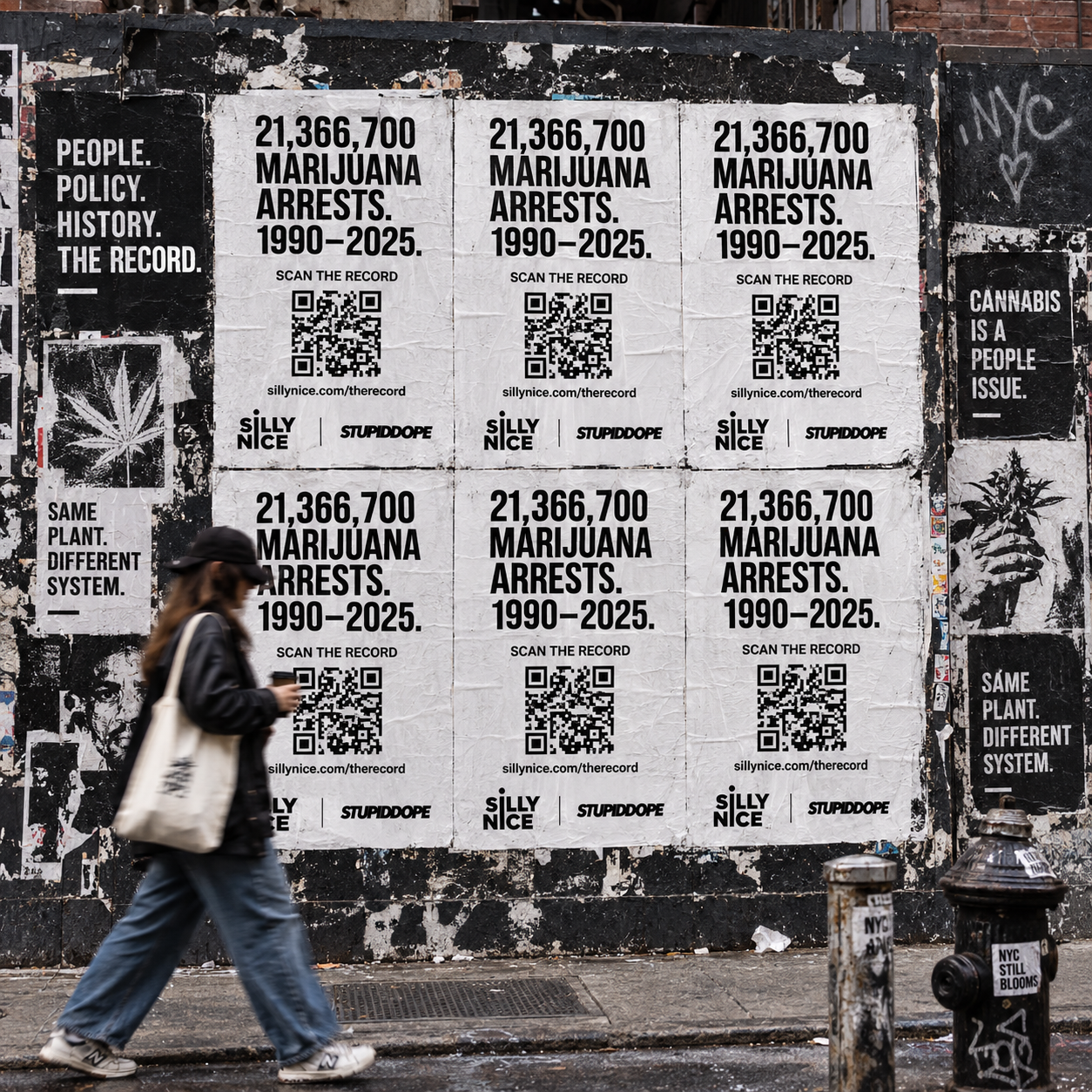
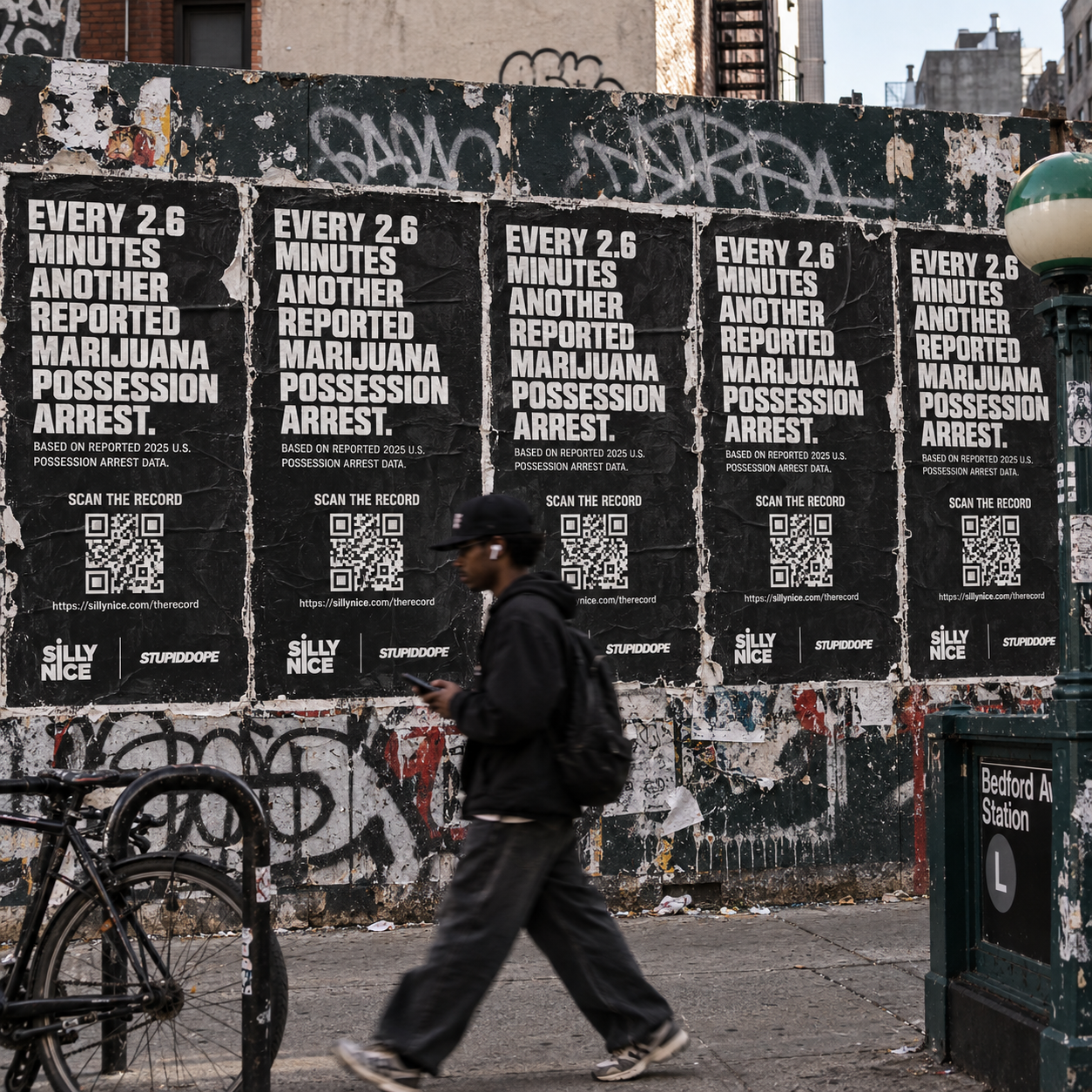
We have to say that plainly: while artists were rapping about cannabis in sold-out arenas and on MTV, Black and Brown men in the very same neighborhoods were being incarcerated for possession of small amounts. The Rockefeller Drug Laws had transformed New York into one of the harshest states in the nation for drug offenses. Hip-hop didn't ignore that contradiction — it named it. Artists like Jay-Z, Nas, and the entire Wu-Tang collective made clear that what was being called a crime was, for their communities, simply life.
Authenticity as Protest: What the Music Was Really Saying
Hip-hop's cannabis narrative was never just about getting high. It was about who got to use a substance freely and who got criminalized for it. That disparity — consumed by white Americans in private, policed aggressively in Black and Latino neighborhoods — was the undercurrent of so much of the music. When artists spoke openly about cannabis, they were also speaking about equity, about dignity, about the right to exist without harassment. That message reached millions of fans across every demographic, and it slowly, steadily shifted how those fans thought about the plant, the people, and the policies.
Available Now
Find Silly Nice at a Dispensary Near You
The 2000s and 2010s: Hip-Hop Pushes Mainstream Cannabis Conversation
As the 2000s progressed and hip-hop became the dominant global music genre, its influence on cannabis culture only deepened. The conversation shifted from underground cyphers to mainstream late-night television, to magazine covers, to billion-dollar streaming platforms. Artists like Wiz Khalifa, Curren$y, and later Kendrick Lamar and Drake made cannabis part of a sophisticated, aspirational lifestyle narrative — one that increasingly resonated with a broader American public that was also starting to question why this plant was illegal in the first place.
In New York, this era coincided with growing activism around cannabis reform. Organizations in Harlem, the Bronx, and Brooklyn were doing community organizing work while the culture was doing something just as important — making ordinary New Yorkers, from their living rooms and their commutes and their barbershops, think differently. By the time serious legalization debates reached Albany, there was already a population that had been culturally prepared to say: yes, this should be legal, and yes, the people most harmed by prohibition should benefit most from legalization.
Cannabis as Creative Capital: The Studio, the Cypher, the Brand
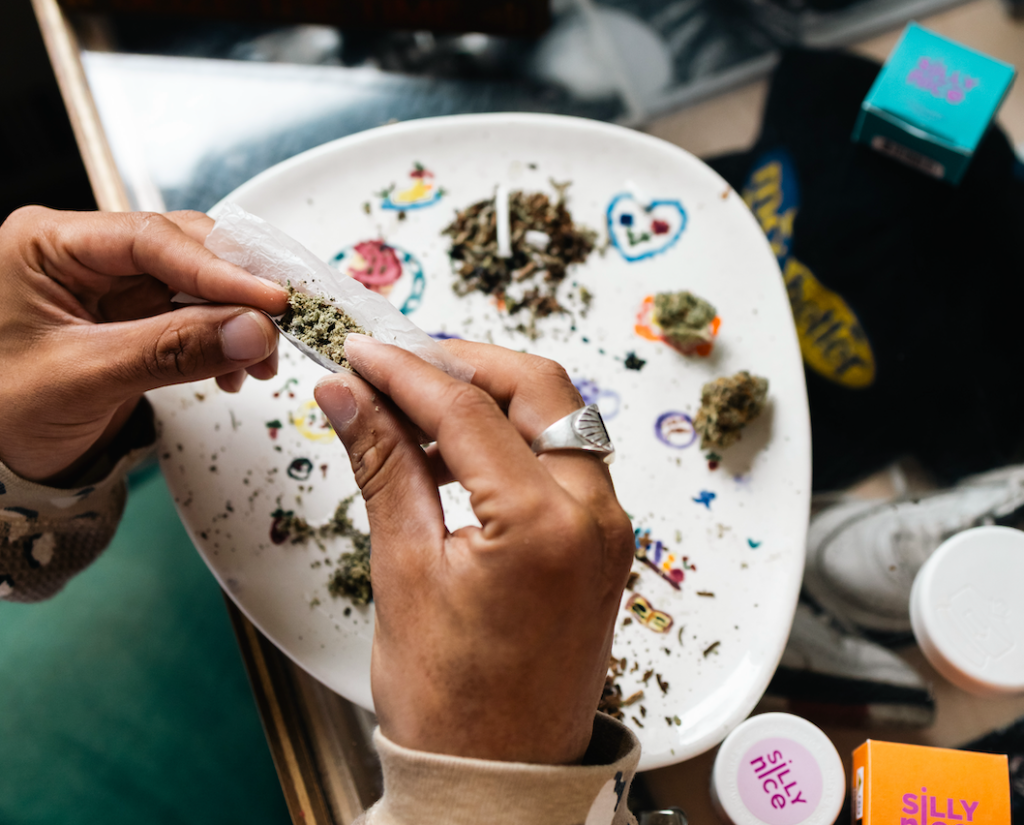
One of the most lasting gifts hip-hop gave to cannabis culture is the idea of quality, craft, and intentionality. In a genre obsessed with authenticity — where the difference between real and fake is everything — cannabis enthusiasts in and around hip-hop developed a connoisseurship that mirrors what we practice at Silly Nice every day. Small-batch. Curated. Tested. Intentional. Our Bubble Hash, for example, is made using ice-water solventless extraction, comes in at 53.32% THC with 6.2% terpene content, and retails for $44 per gram. That terpene number isn't just a stat — it's the difference between something mass-produced and something crafted with care. Hip-hop culture taught our community that the difference matters.
New York Legalizes: Culture Becomes Policy
When New York signed the Marijuana Regulation and Taxation Act into law in March 2021, it was the culmination of decades of cultural shift, activist pressure, and a growing national reckoning with the racial injustice of cannabis prohibition. The MRTA included social equity provisions specifically designed to prioritize licenses for communities most harmed by the War on Drugs — a direct acknowledgment that the criminalization of cannabis had been a targeted, racialized policy. Hip-hop had been saying exactly that for thirty years. The law finally caught up.
We launched Silly Nice in March 2024 — exactly three years after legalization was signed — as a Black-owned, Veteran-owned, LGBTQ+-inclusive, family-run business. Shane Breen, a U.S. Army Veteran, and LeVar Thomas, partners for 25+ years, built this brand because we believe the legal cannabis industry in New York should reflect the people and the culture that carried this plant through decades of stigma and criminalization. That's not a marketing message — that's our lived reality. Every product we put on shelves at 150+ dispensaries statewide is an act of that belief.
Social Equity Is Not a Trend — It's the Obligation
We want to be direct: the legal cannabis industry in New York has a responsibility to the communities that hip-hop has always represented. The Bronx. Harlem. Bed-Stuy. East New York. South Jamaica. Crown Heights. These neighborhoods produced some of the most important music in human history — and they also bore the heaviest burden of cannabis criminalization. A legal industry that doesn't actively include and uplift Black and Brown founders, employees, and communities is not progress. It's just a different kind of extraction. We refuse to be part of that. We are here to build something that looks like us, sounds like us, and serves our people.
Available Now
See Our Full Lab-Tested Product Menu
What We Make and Why It Reflects the Culture
Every Silly Nice product is small-batch, independently lab-tested, and sustainably packaged. We don't cut corners because the culture we come from doesn't respect shortcuts. When we put our Diamond Powder on shelves at $50 per gram — 86.24% THC, 98.54% total cannabinoids — we're offering something that reflects the same obsessive pursuit of excellence that defines great hip-hop. Our Frosted Hash Ball at $50 per gram brings 67.34% THC and an extraordinary 5.7% terpene content, handmade and artisanal in a way that has no analog in mass-market cannabis. These aren't just products — they're a point of view.
Our Infused Flower — Papaya Wine — is 3.5 grams of premium flower enhanced with live resin and THCa diamonds, coming in at 51.22% THC and 58.63% total cannabinoids for $60. Our 510 Vape in Pink Stardust delivers 81.96% THC and 88.36% total cannabinoids at $40, made with 100% cannabis-derived terpenes. Our 2G All-In-One in Alaskan Thunder Fuck clocks 82.46% THC across a full two grams for $80 and charges via USB-C. Every one of these products has a COA — a certificate of analysis from an independent lab — available at sillynice.com/menu. Transparency is part of our culture too.
For Adults 21+ Who Know the Difference
Our products are for adults 21 and older — New Yorkers who've done the research, who know what they like, who may want to unwind at the end of a long week, find a creative headspace, or simply enjoy a well-made product with people they love. We don't make medical claims and we never will. What we do make is a promise: every product that leaves our hands is something we'd proudly share with our own community, because that's exactly what we're doing. Hip-hop always spoke directly to its people. So do we.
The Culture Carried Us Here — We Carry It Forward
Hip-hop didn't just shape cannabis acceptance in New York — it did something more profound. It created a shared cultural language around the plant that crossed borough lines, age groups, races, and backgrounds. It humanized cannabis users at a time when the law was dehumanizing them. It made the case for equity, dignity, and authenticity decades before those words appeared in any piece of cannabis legislation. That legacy is not abstract to us. It is the ground we stand on.
As Silly Nice, we didn't enter this industry to extract from a culture that shaped it — we entered to honor it. Shane Breen's service in the U.S. Army taught us about discipline, commitment, and showing up for the people who depend on you. Twenty-five years of partnership taught us about trust, longevity, and building something real. Brooklyn taught us that authenticity is everything and that New York can always tell the difference. We are in 150+ licensed dispensaries across this state because we earned our way there — and we are not done. The culture built this. We're here to make sure its people benefit from what it built.
Find us at your nearest licensed New York dispensary, or visit sillynice.com/menu to see every product, every lab result, every COA. This is our work. This is our love for New York. This is Silly Nice.
Available Now
Find Silly Nice at a Licensed NY Dispensary
Explore more Silly Nice cannabis guides, product deep-dives, and New York dispensary insights below.
Available Now
How Hip-Hop Shaped Cannabis Acceptance in New York
Available Now
Cannabis Culture in Brownsville: A Brooklyn Local Guide
Available Now
We Took Over Carnegie Hill Cannabis Co. for a 7/10 Oil
Available Now
NY Cannabis Dispensaries as Community Anchors | Silly Nice
Frequently Asked Questions
How did hip-hop influence cannabis in New York?
Hip-hop culture played a major role in normalizing cannabis use in NYC for generations. It served as a powerful platform for advocacy, helping to lay the foundation for legal weed today.
Is Silly Nice involved in the NY cannabis culture movement?
Yes, Silly Nice is a proud contributor to the NYC cannabis community. We honor the culture that helped paved the way for legal cannabis businesses like ours.
What is the importance of Black-owned cannabis brands?
Supporting Black-owned brands is a way to ensure the legal market is diverse and that those who were historically affected by cannabis prohibition are now able to thrive.
Where can I find products from culturally-connected brands?
You can find products from authentic, community-driven brands like Silly Nice at licensed dispensaries across New York State.
Available Now
Cannabis and Brooklyn's Cultural Renaissance: A Modern
Topics