If you are currently serving in the armed forces, whether active duty, National Guard, or Reserves, there is no ambiguity regarding military cannabis policy. Despite the shifting legislative landscape across the country, the rules governing service members remain fixed and absolute. There is no off-duty pass, no state-legal protection, and no exemption for medical use. Federal law, which governs the Uniform Code of Military Justice, treats the substance as a prohibited controlled substance. If you are still in uniform, you are subject to regular, random urinalysis, and your service obligations take legal precedence over any local state statutes.
Why Your State’s Legalization Does Not Change Your Status
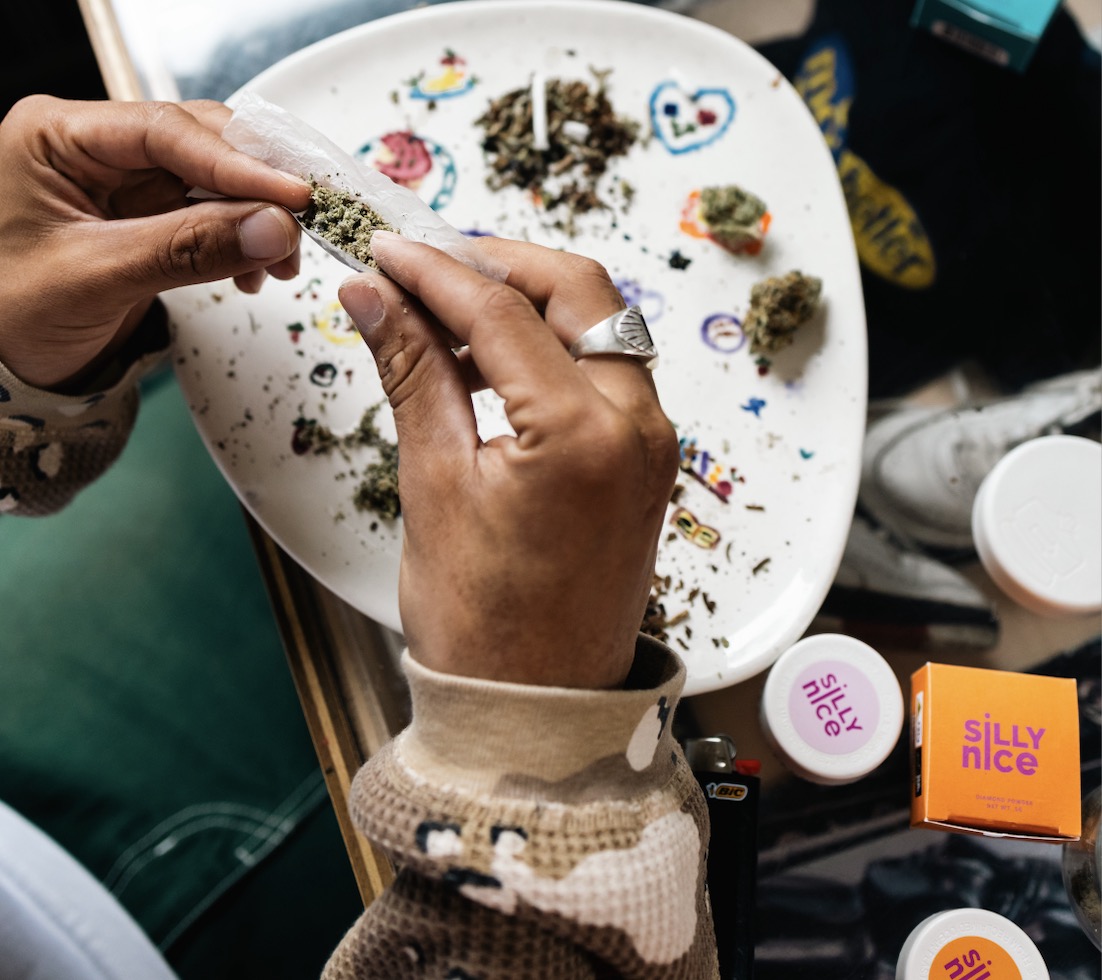
A common point of confusion for service members is the disparity between state laws and federal regulations. You might walk past a licensed storefront in Brooklyn or elsewhere in New York, see a sign for a brand like Silly Nice, and assume the legal status in the state extends to your life as a service member. This is a dangerous assumption. Federal law remains the primary authority for the Department of Defense. When you signed your enlistment contract, you agreed to adhere to standards that override civilian state laws. A commander’s authority to maintain good order and discipline is rooted in federal statutes, meaning that an arrest or a positive drug test remains a violation of military regulations regardless of where the purchase occurred or what the local municipal codes permit.
The fundamental issue is that the military operates under the federal policy tracker guidelines. While some state legislatures have moved to legalize, expunge, or regulate, these actions do not reach into the military workplace. There is no legal defense in the military courts that relies on a state-issued medical card or a receipt from a legal adult-use dispensary. When a service member presents a 'it was legal where I bought it' argument, it is immediately disregarded. The military is a separate jurisdiction. The UCMJ does not recognize state-level social experimentation. You are held to the standard of the federal government at all times, in all locations, including when you are on leave in a state that has fully legalized recreational use.
The Mechanics of Military Drug Testing
The military’s drug testing program is designed to be comprehensive and unrelenting. Unlike the civilian workforce, where testing might be limited to pre-employment or post-accident scenarios, the military utilizes a robust, random testing protocol. Because the detection windows for various cannabinoids can be unpredictable, there is no reliable way to time consumption to avoid a positive result. Metabolism, body mass, frequency of use, and the concentration of the product—whether it is traditional flower or concentrated formats—all play a role in how long substances remain in your system. This is a game of chance that the service member will eventually lose, and the consequences for a positive test are severe, often involving involuntary separation or other disciplinary actions.
Furthermore, there is no 'good faith' exemption for accidental exposure or use of products that claim to be low-THC or hemp-derived. The military lab does not differentiate between the source of the cannabinoid. A positive test result is a positive test result. This is why it is essential to understand that there is no 'safe' way to engage with these products while you are under military obligation. You are not a regular civilian employee, and you do not have the same protections as those described in Cannabis and Your Job: What New York Employers Can and Cannot Do. Your employment contract is a totalizing agreement that binds your conduct 24 hours a day, regardless of your physical location or your duty status on any given Wednesday.
Managing a Mixed-Status Household
When one adult in a household is a service member and the other is a civilian, the environment requires strict management to prevent accidental exposure or administrative scrutiny. You must treat your home as a space where federal rules apply to the service member’s living environment. This means being mindful of what enters the house. If a civilian spouse or partner chooses to purchase cannabis, they are acting within their rights under state law, but they must recognize that their choices could jeopardize the service member's career. The presence of these substances in a shared household can create unnecessary risks during inspections, storage mishaps, or simple exposure, leading to potential career-ending complications.
If you are a service member living with a civilian who uses cannabis, transparency and physical separation are non-negotiable. You need a dedicated, secure storage solution that ensures you are never in a position where your fingerprints are on the packaging or your personal belongings are commingled with prohibited items. You cannot claim that you were unaware of what was in the house if your command performs a search. This is not about trusting your partner; it is about protecting your career from the realities of living under the UCMJ. You must be proactive in setting boundaries that keep your civilian life and your military life as separate as physically possible, especially in your private residence where your personal conduct remains a military concern.
Can Soldiers Use CBD or Other Derivatives?
The inquiry into whether soldiers can use CBD is common, yet the answer remains a firm 'no' in practice. While the 2018 Farm Bill legalized hemp-derived products with low levels of THC, the military has specifically warned personnel against using any CBD-infused products. The manufacturing process for many of these oils, gummies, and topical creams is largely unregulated in terms of purity and content labeling. A product labeled as containing zero THC may, in fact, contain trace amounts that are sufficient to trigger a positive result on a sensitive military urinalysis. Because the military is effectively zero-tolerance, the risk of a false positive or an actual positive from these products is entirely on the service member.
If you are curious about how to navigate these rules or need to understand the wider context of policy, you can look to resources like THE FIELD MANUAL, which provides a foundation for how these topics intersect with veteran life. However, keep in mind that these resources are generally designed for those who have finished their service. The internal regulation of the Department of Defense is clear: avoid all cannabinoids. Do not rely on marketing claims on a bottle that suggest a product is 'non-psychoactive' or 'military-friendly.' These claims are not backed by the Department of Defense and will not be accepted as a defense in a court-martial. Relying on these products is simply not worth the risk to your career.
Where to Find Reliable Information and Help
If you are having difficulty with the stresses of service or find yourself struggling with substance questions, there are established channels that do not involve internet forums or social media advice. Start by visiting the U.S. Department of Veterans Affairs website for information on support services that are actually sanctioned for service members. If you are a veteran, you may be interested in learning about Veteran-Owned Cannabis in New York, but you should hold off on any such engagement until you have successfully transitioned to civilian life. If you are still drilling or on active duty, focus on the resources provided by your chain of command or official military support programs that do not involve controlled substances.
If you have questions about broader regulatory environments once you do leave the service, check the firearms and federal rules guide to understand how these issues intersect with your future rights. There is a specific, limited time for your service, and your primary goal should be to exit that service with your record intact. Engaging in risky behavior now, even if you see your civilian friends doing it, is a shortcut to losing the benefits and status you have worked for. Take the time to understand the law from the perspective of the UCMJ, which is the only legal framework that matters to your current employment. Your future self will appreciate the discipline you maintained while you were under contract.
Final Reflections for Service Members
The military’s prohibition on cannabis is a condition of employment that is clearly stated upon signing your contract. It does not matter what the state or city says; it does not matter that many New Yorkers enjoy small-batch, hand-finished flower from brands like Silly Nice, which is a Brooklyn-born, Black-owned, Veteran-owned, LGBTQ-owned, family-run New York cannabis brand. None of that changes your professional obligation as a service member. The most honest advice is to keep your record clean and your intentions focused on the requirements of your service. When you are finally out of uniform, the landscape will still be there waiting for you. For now, prioritize your career and avoid the risks that come with prohibited substances.
If you eventually transition to civilian life and choose to participate in the local legal market, remember that you should always verify the local rules for your specific area by using a store locator to find licensed retailers near you.
Available Now
Check the Silly Nice dispensary locator for a licensed New York store near you
Topics


