Before the Dispensaries, There Were the People
Long before New York passed the Marijuana Regulation and Taxation Act in 2021, Black New Yorkers were running cannabis operations — taking enormous risks, serving their communities, and building product knowledge that no business school curriculum could teach. The story of Black cannabis entrepreneurship in New York did not begin with legalization. It began decades earlier, in the hallways of Harlem apartment buildings, in the back corners of Bed-Stuy bodegas, in Brownsville, East Flatbush, Jamaica, Queens, and every borough where Black families have always found ways to survive, provide, and build something from nothing.
We are Silly Nice — a Black-owned, Veteran-owned, LGBTQ+-owned, family-run cannabis brand based in Brooklyn, NYC. We launched in March 2024 and we are now available in 150+ licensed adult-use dispensaries across New York State. We did not come out of nowhere. We came out of a legacy — a complicated, painful, and ultimately powerful legacy of Black people who understood cannabis culture, cannabis quality, and cannabis community long before the state decided to regulate it. This article is our attempt to honor that history honestly.
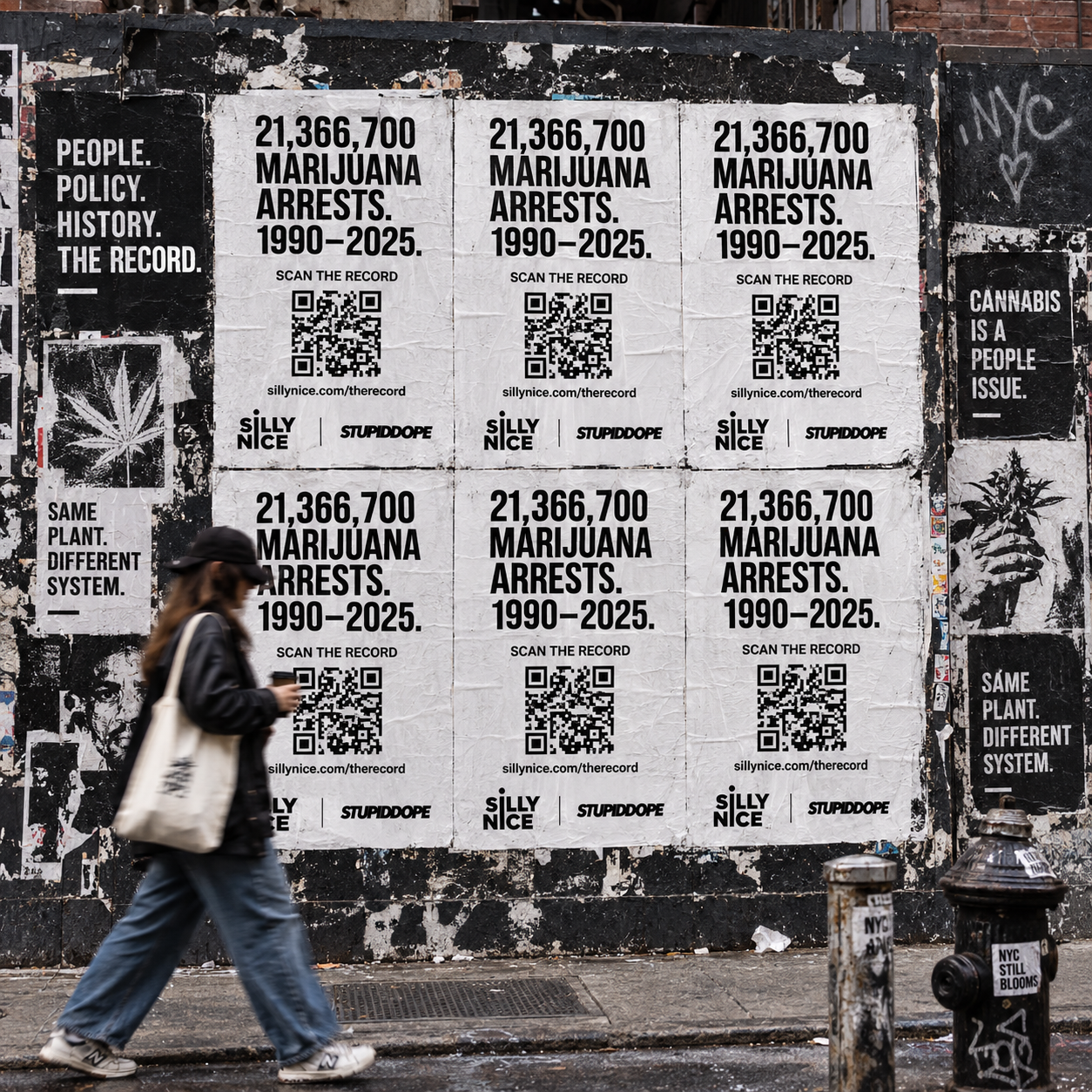
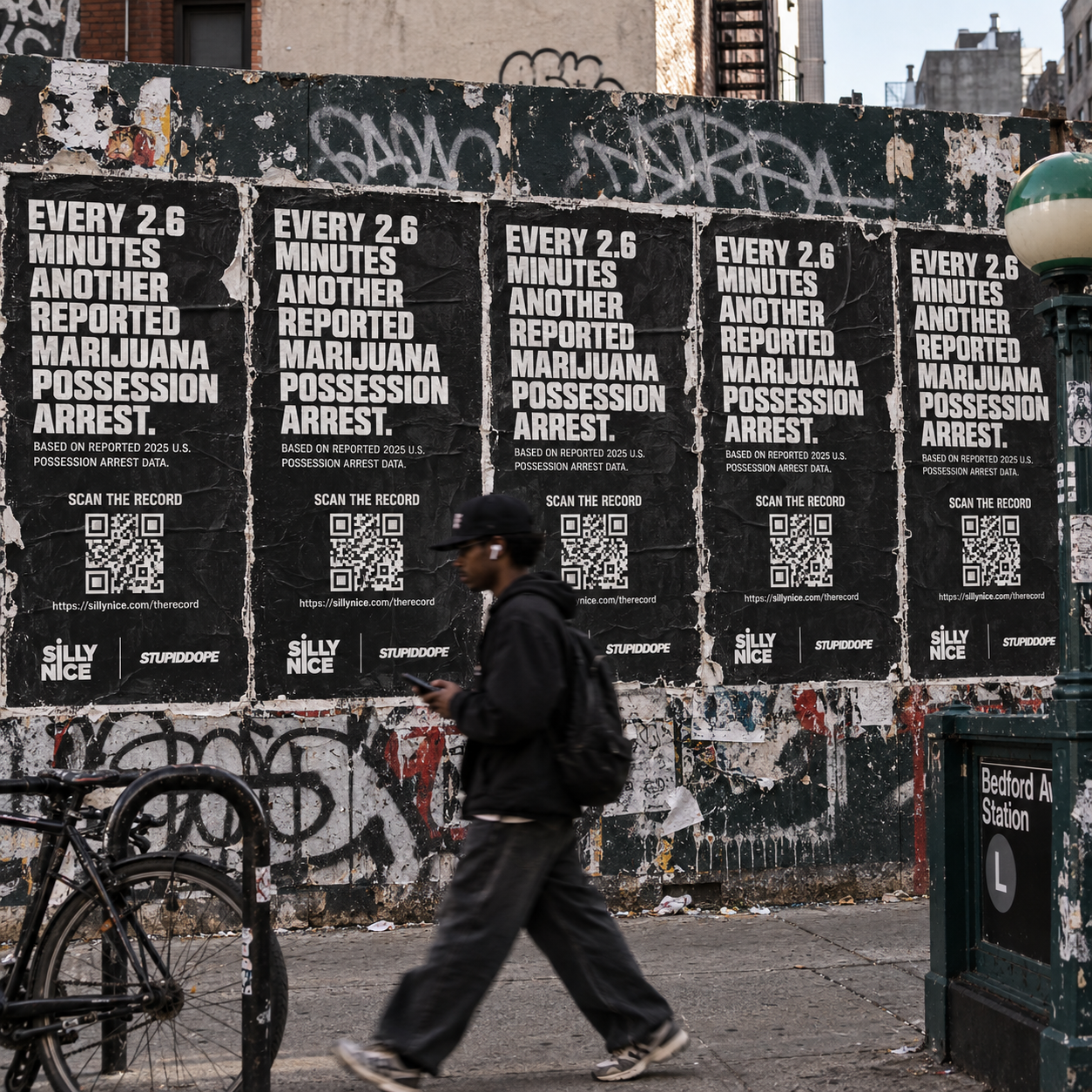
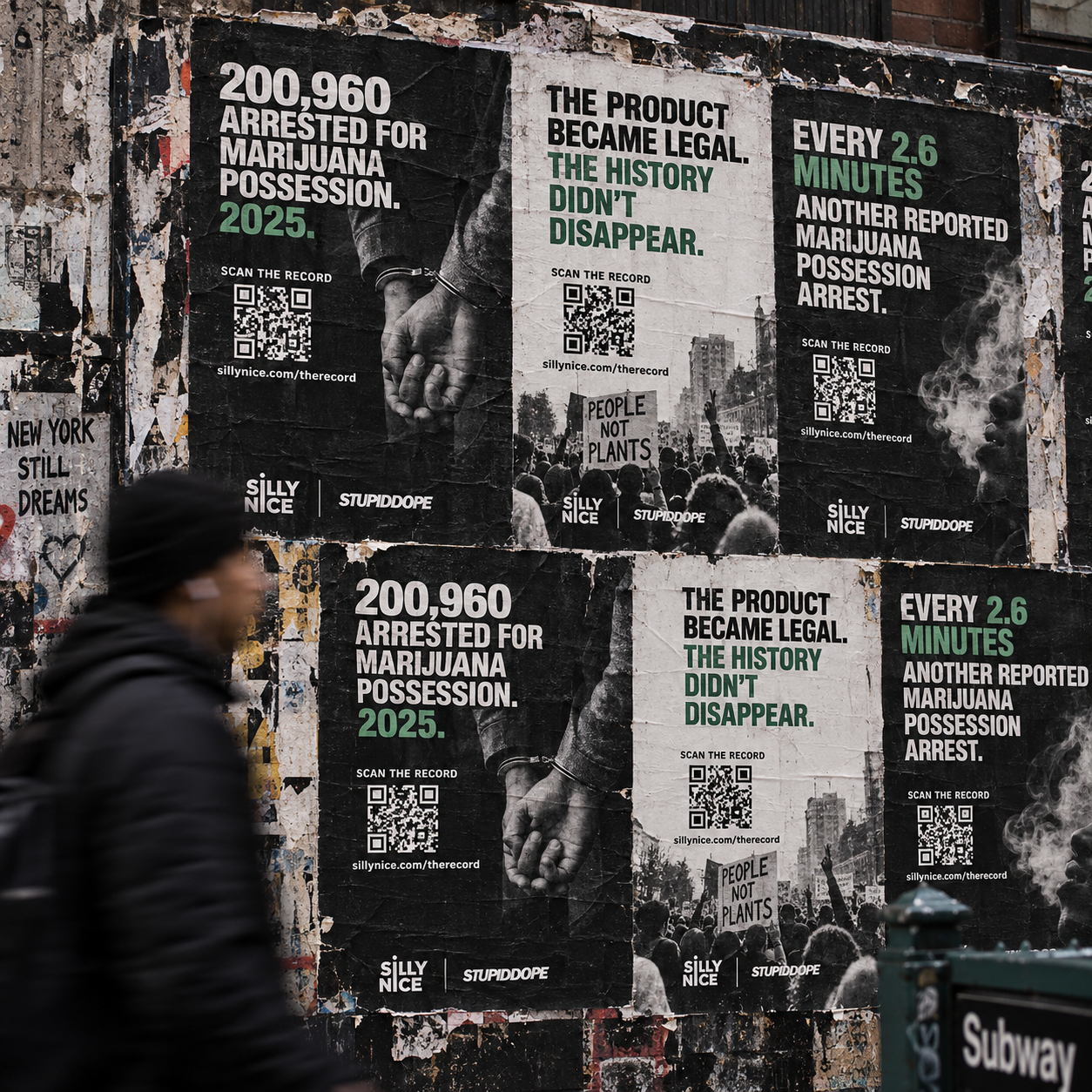
The War on Drugs Was a War on Black New York
Stop-and-Frisk and the Cannabis Arrest Epidemic
Between 2002 and 2013, the NYPD conducted over 685,000 stop-and-frisk encounters in a single year at its peak — and more than 80% of those stopped were Black or Latino New Yorkers. Cannabis possession was one of the most common charges that followed. New York State technically decriminalized small amounts of cannabis in 1977, but a perverse legal technicality — the distinction between possession in private versus having it "open to public view" — allowed police to demand people empty their pockets and then arrest them for "public display." It was a legal trap designed to generate arrests, and Black communities paid the price almost exclusively.
Those arrest records followed people for the rest of their lives. They cost jobs. They cost housing. They cost custody of children. They cost futures. And all of this was happening while cannabis was being consumed — and quietly celebrated — across every demographic in New York City. The enforcement was never about cannabis. It was about control. Understanding this is not ancient history. For many members of our community, it is living memory. It informs why we built Silly Nice, and it informs why we take the responsibility of being a licensed, legitimate, thriving Black-owned cannabis brand with the weight that we do.
Knowledge Built Under Pressure
Here is the paradox that rarely gets told: the people who were being criminalized were also the people who built the deepest expertise. Black cannabis entrepreneurs before legalization knew strains, effects, and quality in ways that were visceral and community-tested. They understood what their customers needed. They had loyalty-based business models, word-of-mouth reputations, and supply chain relationships that stretched across the country and internationally. They had no marketing budgets, no investor decks, and no licensing consultants — and yet they built something that served millions of New Yorkers for decades. That knowledge is real. We carry respect for it in everything we make.
What the Unlicensed Economy Actually Built
Community Infrastructure, Not Just Commerce
The unlicensed cannabis economy in New York was not simply a black market. For many Black families, it was the difference between making rent and not. It funded school supplies in neighborhoods where the public school system had been systematically underfunded. It supported local food businesses, barbershops, and small community enterprises. In a city where redlining, discriminatory lending, and economic disinvestment had locked Black wealth out of traditional pathways for generations, informal economies — including cannabis — filled gaps that government policy created and refused to address.
We say this not to romanticize the risks that people were forced to take, but to name the full reality. When New York finally legalized, Governor Hochul and legislators talked about equity provisions and social equity licenses. But equity is more than a license. Real equity means acknowledging who built the culture, who paid the price, and who deserves to be at the front of the line — not merely invited in after corporate cannabis players have already taken the premium shelf space. That acknowledgment is still incomplete. That work is still unfinished.
Available Now
Find Silly Nice at a Dispensary Near You
The Promise and Failures of NY Cannabis Equity
The MRTA's Equity Intent vs. Reality
The Marihuana Regulation and Taxation Act of 2021 was written with equity language baked into its foundation. It prioritized licenses for people with prior cannabis convictions, for people from communities disproportionately impacted by enforcement, and for minority-owned and women-owned businesses. On paper, it was one of the more thoughtful cannabis legalization frameworks in the country. In practice, the rollout was messy, delayed, legally challenged, and often discouraging for the very entrepreneurs it was meant to serve. Licensing timelines stretched. Provisional licenses sat in bureaucratic limbo. And unlicensed shops flooded New York City streets, undercutting legitimate operators who had done everything right.
We navigated that landscape ourselves. Launching in March 2024, we entered a market that was simultaneously exciting and chaotic. We chose to do it right — lab-tested products, licensed distribution, proper compliance — because we knew that the shortcut was not worth it. Not for our community. Not for the integrity of what we were building. The path to 150+ licensed dispensaries statewide was not easy, but it was the only path worth taking. Every Silly Nice product on a legal shelf is a statement: we built something that lasts.
Why Representation in Licensed Cannabis Matters
When adults 21 and older walk into a licensed New York dispensary and pick up a jar of our Diamond Powder — 1g, 86.24% THC, 98.54% total cannabinoids, $50 — they are making a purchasing decision that reaches further than they may realize. They are putting dollars into a Black-owned, Veteran-owned, family-run operation. They are participating in a kind of economic repair that the formal legal system talked about but could not fully engineer. Buying from Silly Nice is not charity. Our products stand on their own — in quality, in potency, in craft. But the ownership behind them matters, and we will never pretend otherwise.
How We Bring That Legacy Into Every Product We Make
Craft, Quality, and Community as Non-Negotiables
We make small-batch, independently lab-tested cannabis products because that is what our community deserves. Our Frosted Hash Ball — 1g, 67.34% THC, 78.34% total cannabinoids, 5.7% terpenes, $50 — is handmade and artisanal because we refuse to commoditize the craft. Our Bubble Hash — 1g, 53.32% THC, 62.86% total cannabinoids, 6.2% terpene content, $44 — is made using a solventless ice-water extraction process because clean inputs and clean outputs are a point of pride, not just a marketing line. Six-point-two percent terpene content is not an accident. It is the result of process discipline and a standard we hold ourselves to every single run.
Our Infused Flower — Papaya Wine, 3.5g, 51.22% THC, 58.63% total cannabinoids, $60 — combines live resin and THCa diamonds because we want adults who choose to relax and unwind with our products to experience something genuinely elevated. Our 510 Vape in Pink Stardust — 1g, 81.96% THC, 88.36% total cannabinoids, $40 — uses 100% cannabis-derived terpenes because we do not cut corners on flavor or authenticity. And our 2G All-In-One in Alaskan Thunder Fuck — 82.46% THC, 84.06% total cannabinoids, $80, rechargeable USB-C — was designed for adults who want quality and convenience without compromise. Every COA is publicly available at sillynice.com/menu. No secrets. Full transparency.
Shane Breen, LeVar Thomas, and 25 Years of Partnership
We — Shane Breen and LeVar Thomas — have been partners for over 25 years. Shane served in the United States Army. Together, we built Silly Nice as a Black-owned, Veteran-owned, LGBTQ+-owned, family-run brand because we wanted to bring something to this newly legal industry that the industry was missing: real ownership, real quality, and a real connection to the community we serve. We are not backed by hedge funds. We are not a corporate entity wearing equity clothing. We are New Yorkers who saw an opportunity to build something honest, and we took it. Everything we put on shelves reflects that.
Available Now
View Our Full Menu and Lab Results
What Honoring This History Actually Looks Like
It Means Saying the Quiet Parts Out Loud
Honoring the history of Black cannabis entrepreneurship in New York is not about nostalgia. It is about accountability — the kind that the cannabis industry, the media, and the political class routinely sidestep. It means naming that the people who were prosecuted for cannabis in this state are not separate from the people who built its culture. It means pushing back when equity programs get defunded or delayed. It means demanding that licensed Black-owned brands receive the shelf space, the press coverage, and the investor interest that their counterparts in majority-owned corporate cannabis receive as a default.
It also means building something every day that makes the argument with receipts. When we say we are in 150+ licensed dispensaries statewide since launching in March 2024, that number is not a boast — it is an answer. When someone says Black-owned cannabis brands cannot compete at the premium level, we point to our Diamond Powder at 86.24% THC and let the lab results speak. When someone says legacy operators cannot make the transition to legitimate business, we point to ourselves and say: watch us work.
Sustainable Packaging as a Values Statement
We package everything sustainably because the communities that bore the brunt of cannabis criminalization are often the same communities bearing the environmental costs of industrial production. That is not a coincidence — it is a pattern. Our commitment to sustainable packaging is part of how we show up for Brooklyn, for the Bronx, for Queens, for Harlem, for every New York community that deserves businesses that think beyond the transaction. Cannabis for adults 21 and older should come with accountability attached. We take that seriously.
The Work Continues — And We Are Just Getting Started
The untold story of Black cannabis entrepreneurs in New York before legalization is not fully told in a single article. It lives in the memories of families across every borough. It lives in the records of tens of thousands of people whose convictions still have not been expunged, despite legal promises. It lives in the tension between a state government that talks about equity and a marketplace that still favors capital over community. And it lives in brands like ours — Silly Nice — that chose to build something real inside the legal framework, not because the framework is perfect, but because our presence inside it matters.
We are proud of every Silly Nice product on every licensed shelf in New York. We are proud of the craftsmanship, the lab results, the community relationships, and the story we are writing in real time. We are also clear-eyed about how much further this industry needs to go to truly honor the people whose work and sacrifice built it. We will keep saying so. We will keep building. And we will keep making products that New Yorkers — adults 21 and older who deserve the very best — are proud to choose. Find us, support us, and let us keep building this together.
Available Now
Find Silly Nice at a Licensed NY Dispensary
Explore more Silly Nice cannabis guides, product deep-dives, and New York dispensary insights below.
Available Now
Cannabis & Brooklyn's Cultural Renaissance: A Modern
Available Now
Cannabis and Brooklyn's Cultural Renaissance: A Modern
Available Now
Brooklyn & Black Cannabis Entrepreneurship: Our Story
Available Now
NY vs. California vs. Colorado Cannabis Markets Compared
Frequently Asked Questions
What was the history of Black cannabis entrepreneurs in NYC?
Many Black entrepreneurs laid the cultural foundation for cannabis in NYC long before legalization. Brands like Silly Nice now work to honor that history while operating in the new, regulated market.
What does MRTA mean for New York cannabis?
The MRTA (Marijuana Regulation and Taxation Act) legalized adult-use cannabis and established equity programs to support minority-owned businesses. This is key for brands like Silly Nice.
Why is supporting Black-owned brands important?
Supporting these brands promotes economic justice and helps build a diverse, fair industry that corrects past wrongs associated with the war on drugs.
Can I buy Black-owned cannabis in Brooklyn?
Yes, Brooklyn is home to many innovative Black-owned brands, including Silly Nice. Look for our products at licensed dispensaries throughout the borough.
Available Now
Your First NYC Cannabis Dispensary Visit: What to Expect
Topics