Introduction
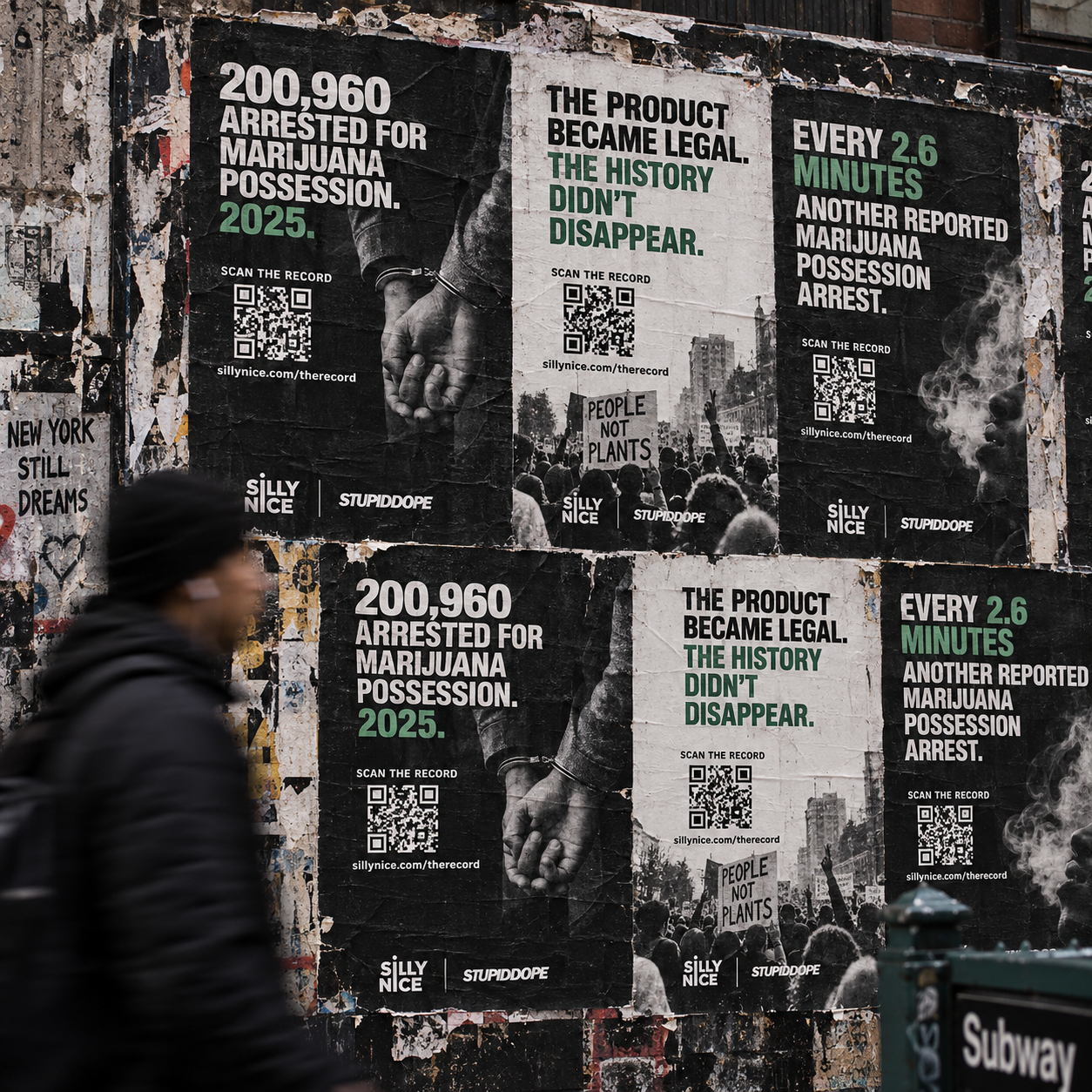
In the modern era of commercial cannabis, where sleek dispensaries resemble high-end boutiques and publicly traded companies report billions in quarterly revenue, a parallel reality persists in the shadows of the American justice system. According to the FBI Crime Data Explorer, there were exactly 200,960 reported marijuana possession arrests in 2025. This staggering figure represents a profound contradiction at the heart of American drug policy. While millions of consumers legally purchase cannabis products in regulated markets across the country, law enforcement agencies continue to execute a relentless campaign of prohibition in jurisdictions that have resisted reform. The sheer volume of these enforcement actions demands rigorous journalistic scrutiny, moving beyond political rhetoric to examine the empirical reality of cannabis policing in the United States.
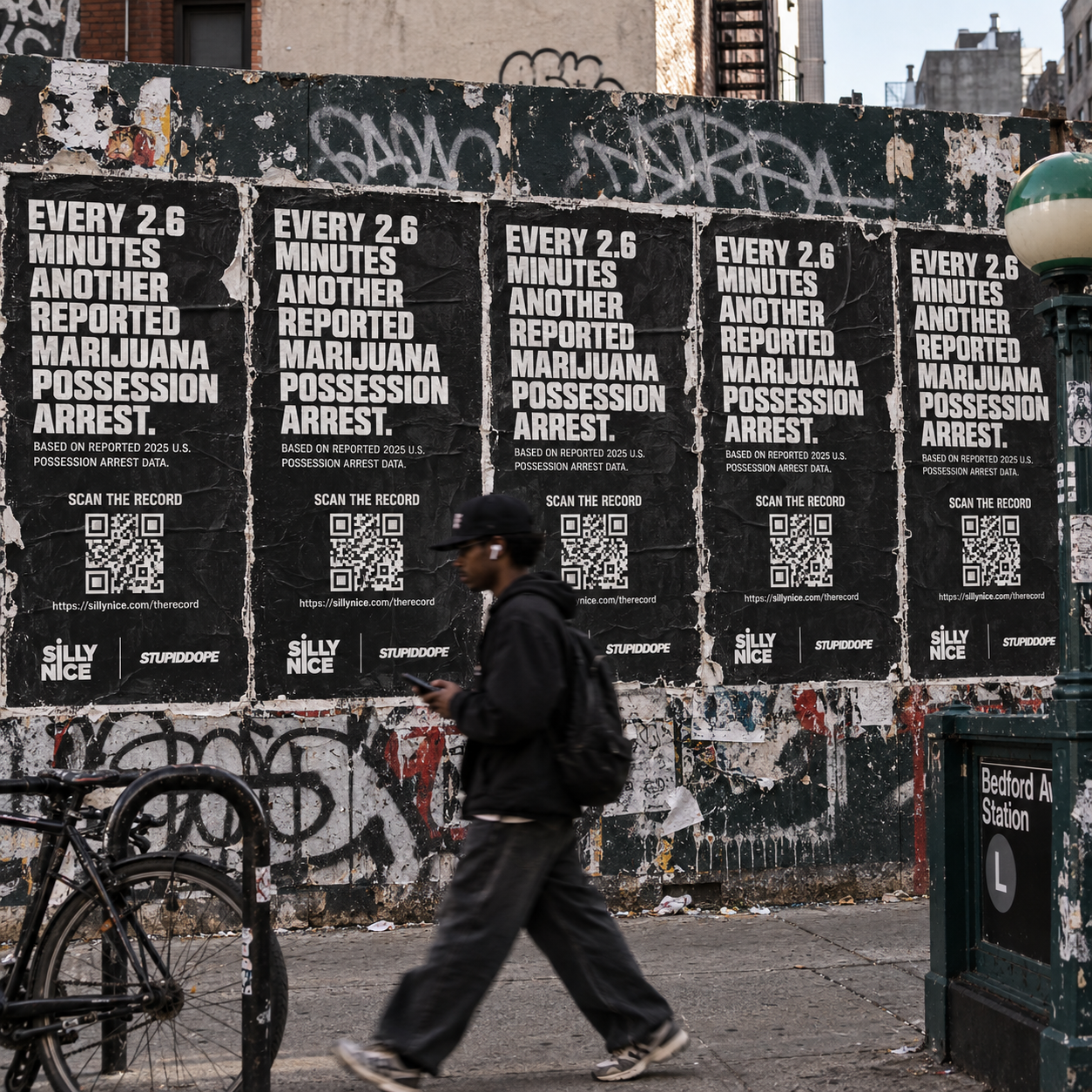
To understand the scale of this ongoing enforcement, one must break down the annual data into a more comprehensible metric. Based on the 200,960 reported possession arrests in 2025, law enforcement officers in the United States made one reported marijuana possession arrest every 2.6 minutes. This per-minute rate illustrates a systemic, continuous allocation of police resources toward an activity that is entirely legal for nearly half of the adult population. The data reveals a fractured nation where geography dictates whether possessing a plant results in a retail receipt or a criminal record. This investigation seeks to interrogate the numbers, distinguishing between arrests and convictions, possession and trafficking, and the stark differences between federal and state jurisdictions.
The purpose of this analysis is not to advocate, but to document. By examining verified statistics from the FBI, the United States Sentencing Commission, the Congressional Research Service, and independent data compilations, we can construct a precise portrait of cannabis enforcement in 2025. We will explore how historical arrest trends have shaped current policies, what the demographic data reveals about the human impact of federal sentencing, and how states like New York are attempting to rectify past enforcement through mass expungement efforts. The numbers tell a story of a legal landscape in profound transition, where the aesthetics of restraint and the harsh realities of criminalization collide.
The Current Data
The most recent and comprehensive snapshot of cannabis enforcement comes from the FBI Crime Data Explorer, which published its 2025 Arrest Data in September 2026. The agency documented 200,960 reported marijuana possession arrests in 2025, alongside 17,192 marijuana sales or manufacturing arrests. Combined, these figures total 218,152 marijuana-related arrests for the year. It is critical to note that these are reported totals, not estimates. Because approximately 13 percent of law enforcement agencies nationwide did not submit complete data to the FBI, the actual number of arrests is undoubtedly higher. Even with this incomplete reporting, marijuana possession accounted for approximately 23 percent of all drug-related arrests nationwide, demonstrating that cannabis remains a primary driver of drug enforcement despite widespread state-level legalization.
The geography of these arrests reveals a deeply asymmetrical approach to law enforcement across the United States. According to a 2025 compilation by NORML, Texas alone accounted for approximately 14 percent of the national total, recording over 29,000 marijuana-related arrests. This equates to one arrest every 18 minutes in the state. Texas is joined by four other states that each reported more than 11,000 possession arrests: Georgia with 11,238, North Carolina with 11,830, Tennessee with 11,194, and Wisconsin with 11,470. In stark contrast, five states with legal cannabis markets reported fewer than 100 possession arrests each: Alaska recorded 92, Maine 96, Montana 35, Rhode Island 99, and Vermont just 16. This disparity highlights the widening chasm between prohibition and legalization jurisdictions.
Further analysis of the FBI data underscores the concentration of enforcement in specific regions. Just 10 states accounted for approximately 60 percent of all marijuana arrests nationwide: Texas, North Carolina, Wisconsin, Georgia, Tennessee, Pennsylvania, South Carolina, Indiana, Louisiana, and Alabama. Moreover, in six states, marijuana possession constituted more than 50 percent of all drug arrests. Those states are Louisiana, Idaho, Iowa, Wisconsin, Nebraska, and Kansas. This concentration indicates that while the national conversation often focuses on the burgeoning legal industry, law enforcement agencies in the South and Midwest continue to dedicate substantial resources to identifying, detaining, and processing individuals for low-level cannabis offenses.
Historical Context
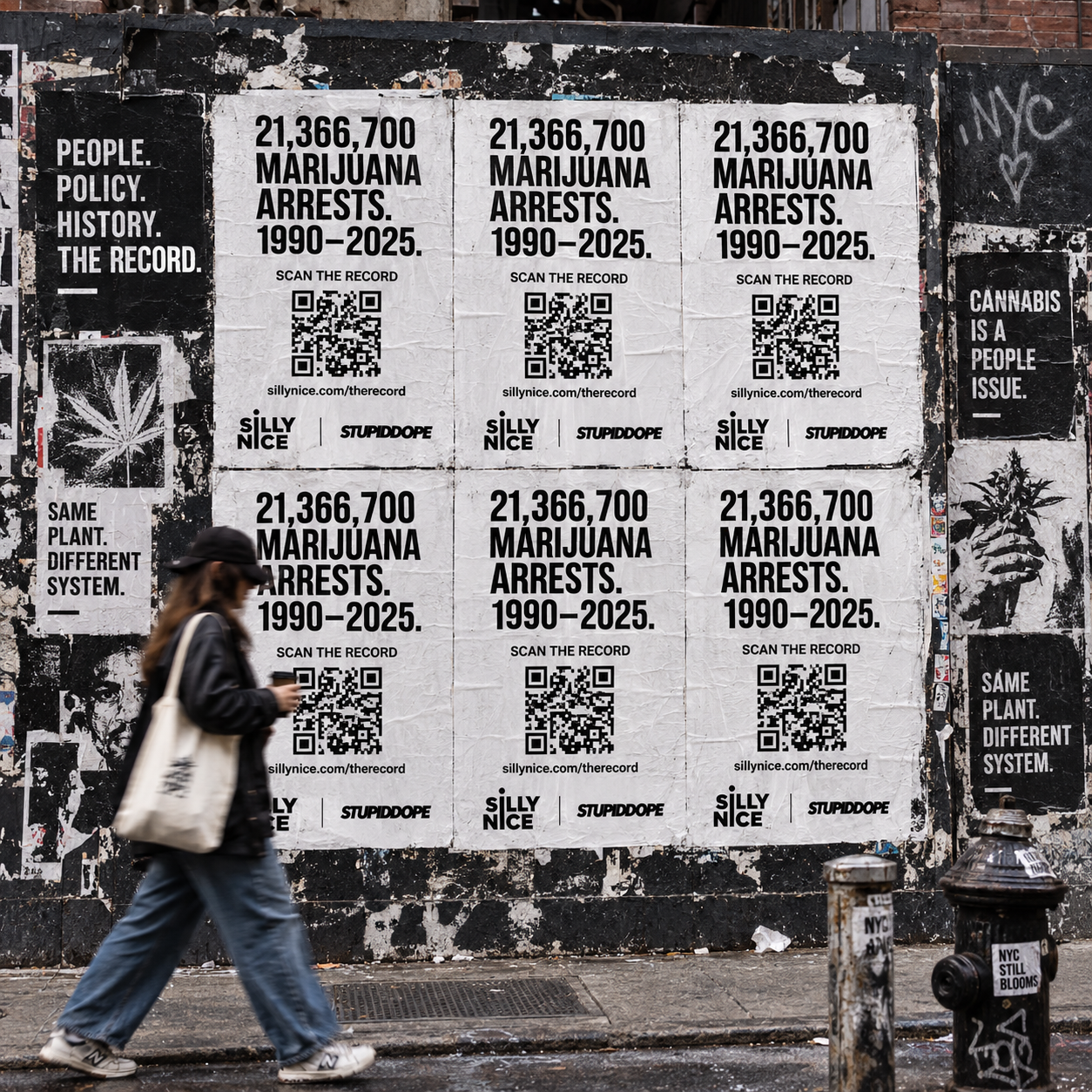
To comprehend the magnitude of the 2025 data, it must be situated within the broader historical context of the American drug war. A comprehensive compilation of FBI Uniform Crime Reporting data by NORML reveals a staggering 21,366,700 cumulative marijuana-related arrests in the United States from 1990 to 2025. This multi-decade enforcement effort represents one of the most extensive domestic policing initiatives in modern history. During the 1990-1999 period, law enforcement agencies recorded 5,132,304 arrests. The subsequent decade, from 2000 to 2009, marked the highest period of enforcement on record, with 7,877,165 arrests. The 2010-2019 decade saw a slight decline to 6,921,146 arrests, though it included the single peak year of 2007, which saw an unprecedented 872,721 arrests.
The period from 2020 to 2025 shows a marked decline, totaling 1,436,085 arrests. This reduction correlates directly with the wave of state-level legalization that began in the previous decade. However, the foundational legal architecture that enabled these tens of millions of arrests remains entirely intact at the national level. Under the federal Controlled Substances Act, codified at 21 U.S.C. Sections 801 et seq., cannabis remains classified as a Schedule I controlled substance. According to the Congressional Research Service, this classification legally defines the substance as having a high potential for abuse, no currently accepted medical use in treatment in the United States, and a lack of accepted safety for use under medical supervision. This federal statute supersedes state law, creating a permanent state of legal jeopardy even in jurisdictions that have fully regulated the plant.
The historical data also highlights the critical distinction between government data and independent compilations. The FBI provides the raw annual figures, but organizations like NORML and the Marijuana Policy Project aggregate this data to track long-term trends. The historical record demonstrates that the current enforcement levels, while lower than the peak of 2007, still represent a massive deployment of state power. The legacy of the 21.3 million arrests made since 1990 continues to impact communities, as criminal records for possession can influence employment, housing, and educational opportunities for decades after the initial encounter with law enforcement.
What the Numbers Mean
Interpreting this vast dataset requires careful attention to legal and statistical distinctions. First, it is imperative to distinguish between arrests and convictions. The FBI data captures arrests, which represent an individual's initial entry into the criminal justice system. An arrest does not necessarily result in a conviction, nor does a conviction automatically result in incarceration. However, an arrest alone generates a police record, requires the expenditure of municipal resources, and often subjects the individual to pretrial detention, bail costs, and legal fees. Furthermore, the data distinguishes between possession and trafficking or sales. In 2025, the overwhelming majority of state-level enforcement was directed at simple possession, not the manufacturing or distribution of the drug.
The 2026 Cannabis Arrest Report published by the Marijuana Policy Project provides crucial comparative analysis between jurisdictions. The report found that prohibition states made eight times more cannabis arrests than legalization states in 2025, with 186,581 arrests compared to 22,357. The data proves that legislative reform directly alters policing behavior. According to the MPP, legalization states made 219,456 fewer arrests in 2025 than they did in the year before each respective state legalized the substance. The average drop in cannabis arrest rates after legalization was a staggering 85.53 percent. Specifically, possession arrests fell by 84.61 percent, while sales arrests fell by 80.39 percent following legalization.
What the numbers also reveal is a universal trend: cannabis arrests dropped in every single state after legalization was implemented. The 20 states with the lowest cannabis arrest rates in the nation are all legalization states. This confirms that the 200,960 possession arrests recorded in 2025 are not an inevitable function of law enforcement, but a direct result of specific policy choices maintained by prohibition states. It is also vital to remember that because 13 percent of agencies failed to report their data to the FBI, the true national burden of these policies is heavier than the official statistics suggest. The numbers capture the reported reality, but they exclude the silent volume of enforcement in non-reporting jurisdictions.
The Human Impact
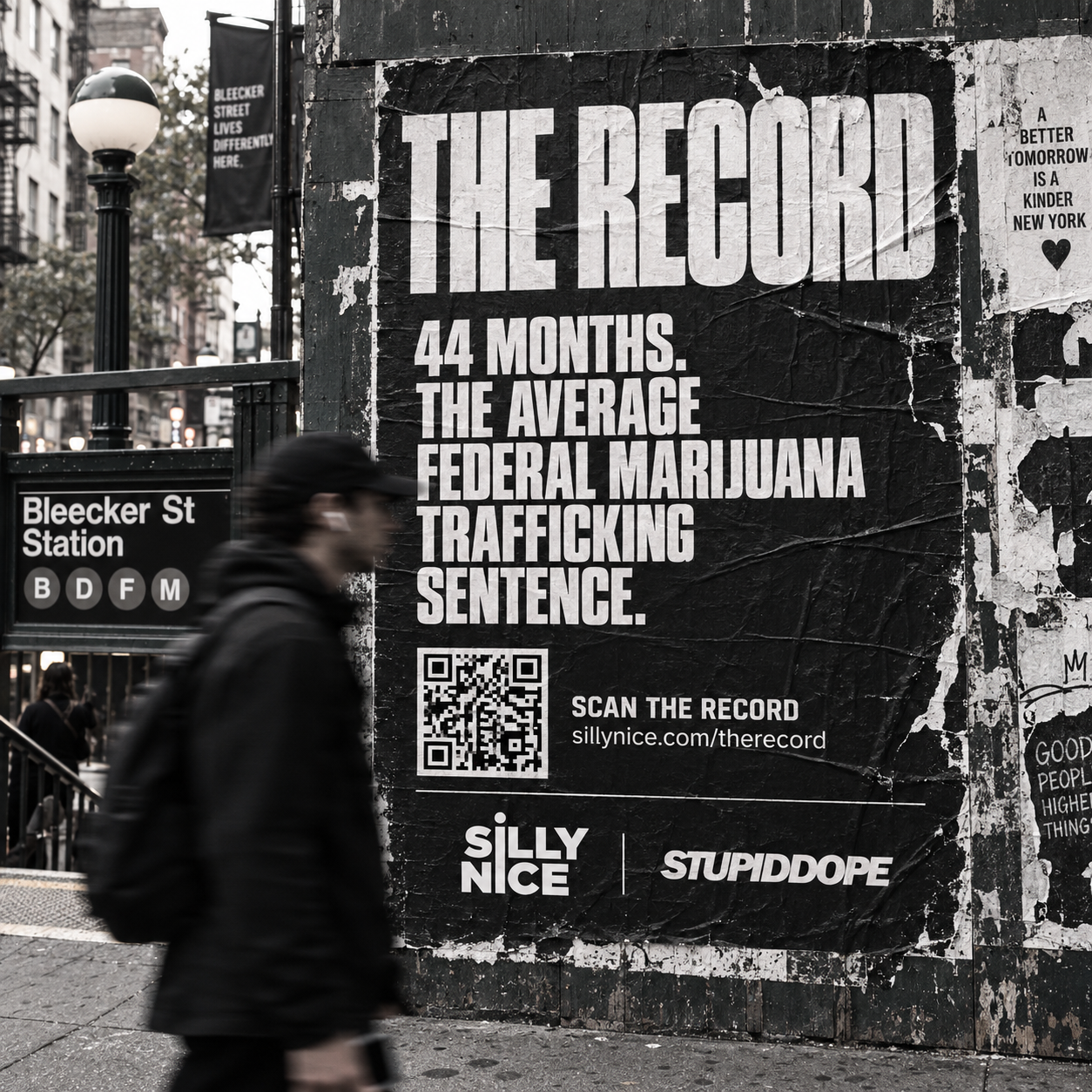
Behind the aggregate arrest data lies the severe reality of federal sentencing. According to the United States Sentencing Commission, 389 individuals were sentenced for marijuana offenses under USSG Chapter Two, Part D in fiscal year 2025. While this number is small compared to state possession arrests, the consequences are exponentially more severe. The Commission reports that 85 percent of those individuals received federal prison sentences. The average federal marijuana trafficking sentence in FY2025 was 44 months. This metric is crucial: it represents nearly four years of federal incarceration for activities that, in many states, are conducted by licensed corporations generating tax revenue.
The demographic breakdown of these federal sentences reveals stark racial disparities that demand journalistic attention. According to the USSC, the individuals sentenced federally in FY2025 were 88 percent men. Racially, 42 percent were Black, 30 percent were Hispanic, 15 percent were White, and 12 percent were classified as other. When contextualized with 2023 data from the U.S. Census Bureau, the disproportionality becomes glaringly apparent. Black Americans make up approximately 13.6 percent of the U.S. population but accounted for 42 percent of federal marijuana sentences, making them 3.1 times over-represented. Hispanic Americans, comprising roughly 19.5 percent of the population, accounted for 30 percent of sentences, a 1.5 times over-representation. Conversely, White non-Hispanic Americans make up 58.4 percent of the population but only 15 percent of sentences, meaning they are 0.3 times under-represented.
The human impact extends far beyond initial sentencing into the complex web of the supervision system. Data from the REFORM Alliance in 2025 indicates that nearly 3.7 million people are currently on probation or parole in the United States. Crucially, the supervision system is the largest feeder of people into prison, primarily for technical violations rather than new crimes. A technical violation can include missing a meeting, being unable to pay exorbitant fees, or visiting a loved one without prior approval from a probation officer. For individuals with past cannabis convictions, this system creates a perpetual cycle of surveillance and jeopardy. The USSC data also notes that 80 percent of those sentenced federally were U.S. citizens, and 64 percent had little or no prior criminal history, underscoring how first-time offenders are swept into this punitive apparatus.
What Has Changed
Despite the grim statistics of federal sentencing and prohibition state arrests, the legal landscape has undergone a seismic shift over the past decade. According to the Congressional Research Service and NORML, as of March 2026, 24 states, the District of Columbia, Guam, and the Northern Mariana Islands have legalized recreational cannabis. Furthermore, 40 states, D.C., Puerto Rico, Guam, and the U.S. Virgin Islands have enacted comprehensive medical cannabis laws. This wave of legalization began in 2012 when Colorado and Washington became the first states to legalize the substance for adult use. The legislative momentum has fundamentally altered the trajectory of cannabis enforcement, leading to the 62 percent decline in federal marijuana trafficking cases since FY2021, dropping from 995 cases to just 383 cases in FY2025.
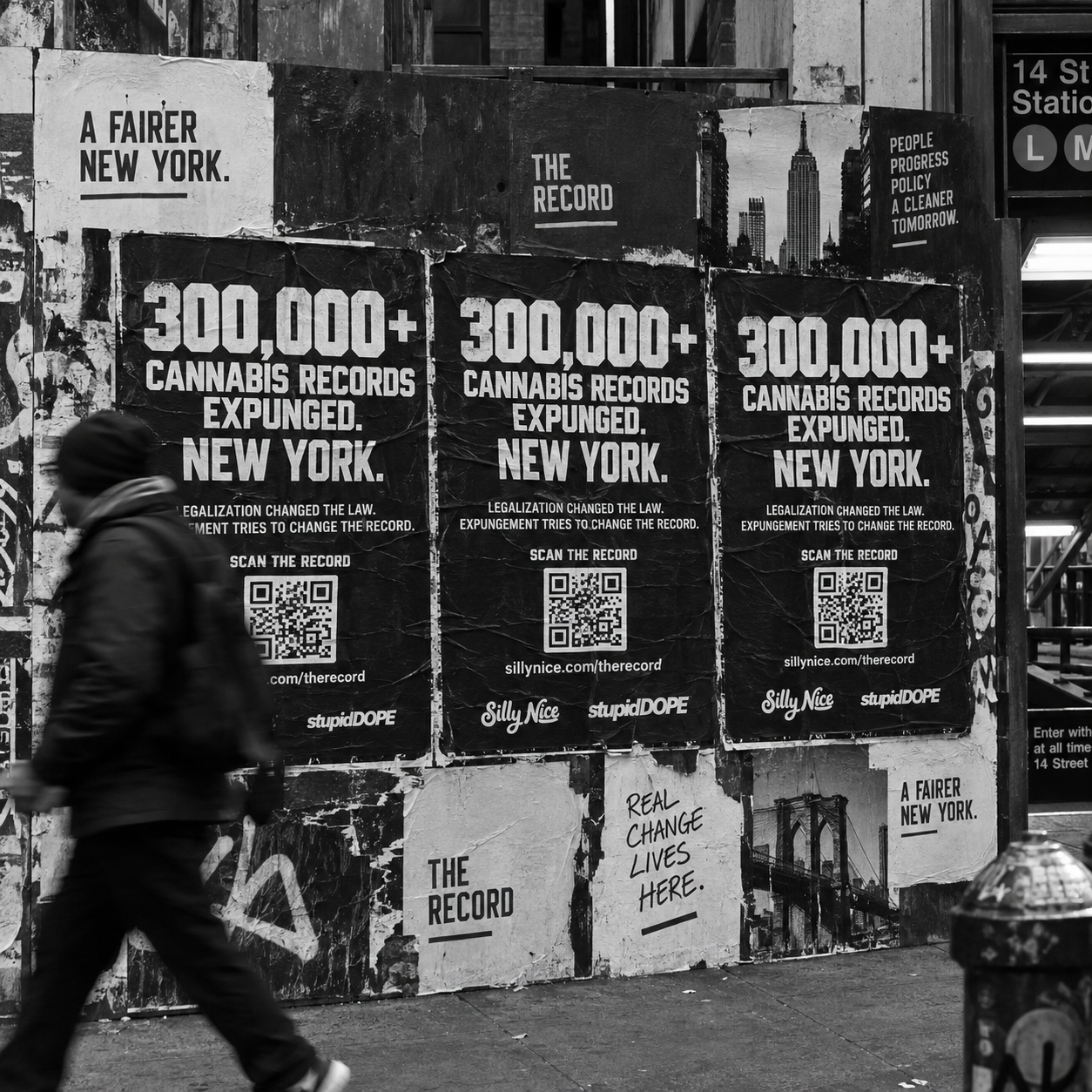
One of the most significant changes has been the implementation of retroactive justice mechanisms, most notably in New York. Following the passage of the Marijuana Regulation and Taxation Act in 2021, the state initiated a massive effort to clear past convictions. According to the New York Office of Cannabis Management and the state court system, more than 400,000 cannabis-related records have been identified for expungement. While the initial estimate was roughly 300,000, the verified total exceeded 400,000 by 2026. It is vital to distinguish expungement from sealing. Under New York Criminal Procedure Law 1.20(45), expungement means the arrest, court case, and conviction are treated legally as if they never happened, and they do not appear on background checks. Sealing, by contrast, means the records still exist but public access is restricted.
Non-governmental organizations have also driven substantial change. The Last Prisoner Project reported in 2025 that their clemency and release programs have saved individuals more than 400 years of potential prison time. The organization has facilitated the clearing of over 250,000 offenses and distributed $3.8 million in direct support to impacted individuals. Similarly, the REFORM Alliance helped pass legislation impacting over 188,000 people in 2025 alone, securing key victories like the NY Less is More Act in 2021, and subsequent reforms in Maryland, Georgia, Florida, and Virginia. These efforts demonstrate a concerted push to dismantle the collateral consequences of the drug war.
What Remains Unresolved
While state-level reforms have accelerated, profound structural problems remain unresolved. The most glaring issue is the irreconcilable policy gap between federal classification and state legalization. Because cannabis remains a Schedule I controlled substance federally, businesses in legal states face severe banking restrictions, punitive tax codes, and the perpetual, albeit currently dormant, threat of federal intervention. Furthermore, there are still jurisdictions that completely reject any form of legal access. As of 2026, Idaho, Kansas, and American Samoa remain the only U.S. jurisdictions with absolutely no medical cannabis access laws, leaving their citizens entirely subject to the punitive enforcement models of the past.
The financial burden of maintaining this fractured system is immense. The most recent comprehensive estimate by the ACLU in 2013 calculated that $3.6 billion per year was spent on cannabis prohibition enforcement. While this figure predates widespread legalization and may not reflect current costs, the continued volume of arrests—over 218,000 total in 2025—suggests that billions of taxpayer dollars are still being expended annually on police hours, court processing, and incarceration for cannabis offenses. The economic inefficiency of arresting an individual every 2.6 minutes for a substance that is legally sold in half the country represents a massive misallocation of public resources that lawmakers have yet to fully address.
Finally, the modernization of the supervision system remains a critical unresolved issue. While 72 percent of Americans support modernizing probation and parole, federal action has been slow. The Safer Supervision Act advanced in Congress in 2025, but the system continues to trap millions. The distinction between pardons, clemency, and expungement also creates a confusing patchwork of relief. A pardon forgives the crime but leaves the record intact; clemency reduces the sentence; only expungement truly erases the legal history. Until federal law is reconciled with state realities, and comprehensive expungement becomes a national standard, the justice system will continue to process hundreds of thousands of citizens for cannabis offenses.
Conclusion
The empirical data from 2025 presents an undeniable reality: the American war on cannabis is far from over. With 200,960 reported marijuana possession arrests occurring in a single year, equating to one arrest every 2.6 minutes, law enforcement continues to aggressively police a substance that millions of Americans legally consume. The federal sentencing average of 44 months for trafficking, coupled with severe racial disparities where Black Americans are 3.1 times over-represented, proves that the punitive machinery of the past remains fully operational. While states like New York have taken monumental steps by expunging over 400,000 records, and 24 states have legalized recreational use, the federal government's adherence to Schedule I classification ensures that the conflict between state and federal law will persist.
Journalistic integrity requires us to look at these verified statistics without the gloss of industry marketing. The numbers—from the 21.3 million historical arrests to the 3.7 million people currently trapped in the supervision system—demand accountability from policymakers. As the visual language of cannabis advertising evolves to navigate complex restrictions, we must not lose sight of the underlying legal realities. For a deeper exploration of this data and the ongoing campaign to bring these statistics to the public square, readers can review the complete findings of THE RECORD at https://sillynice.com/therecord.
Topics