Introduction
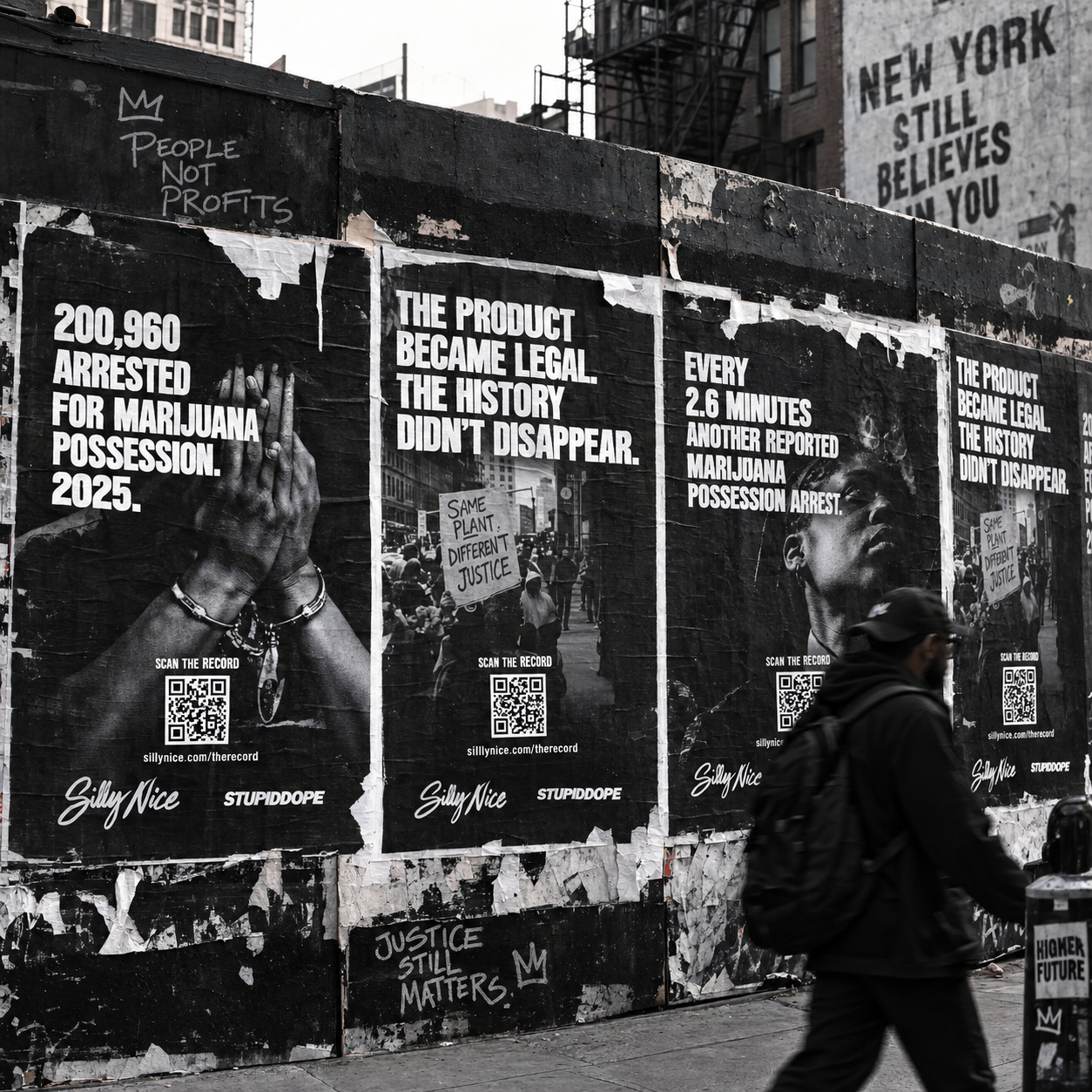
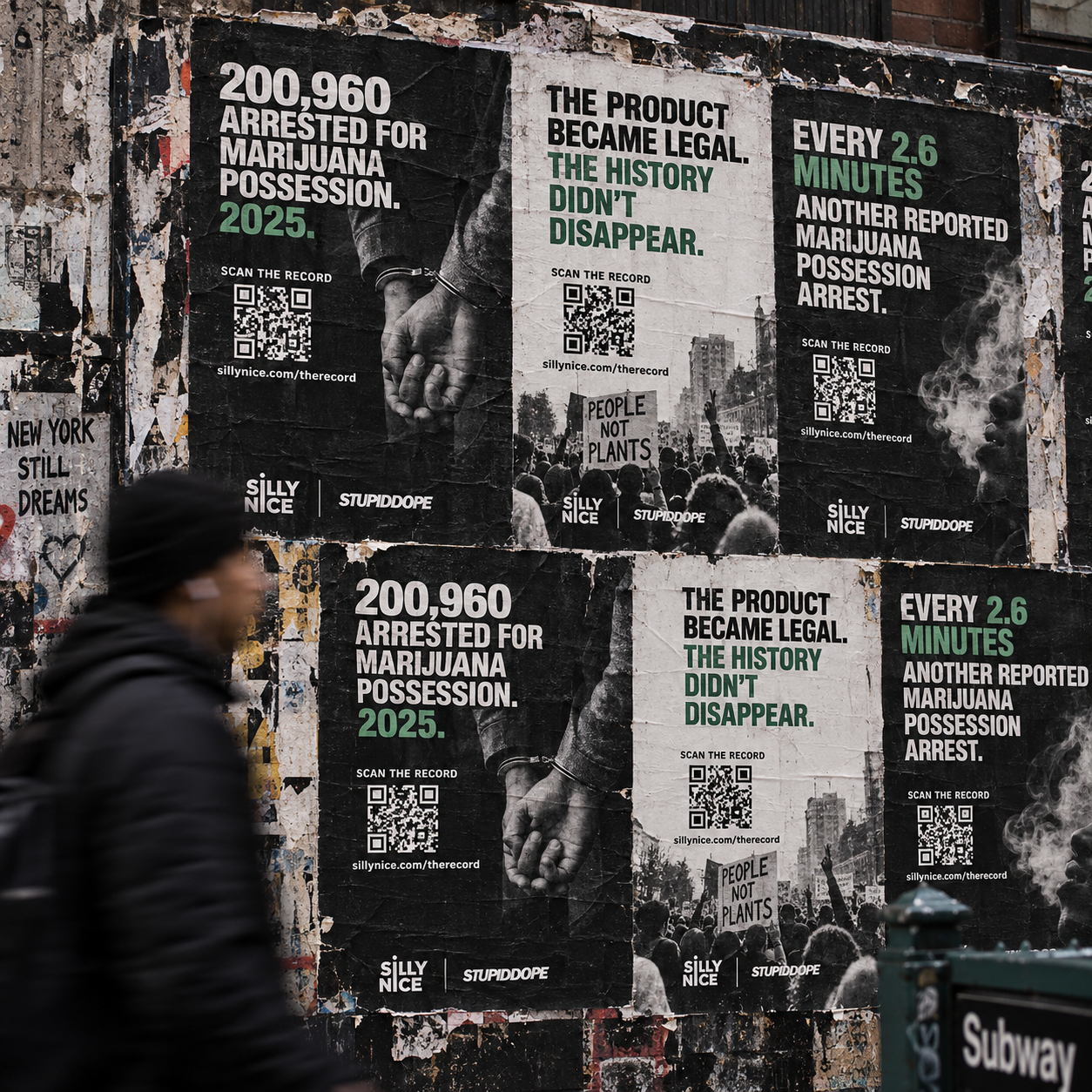
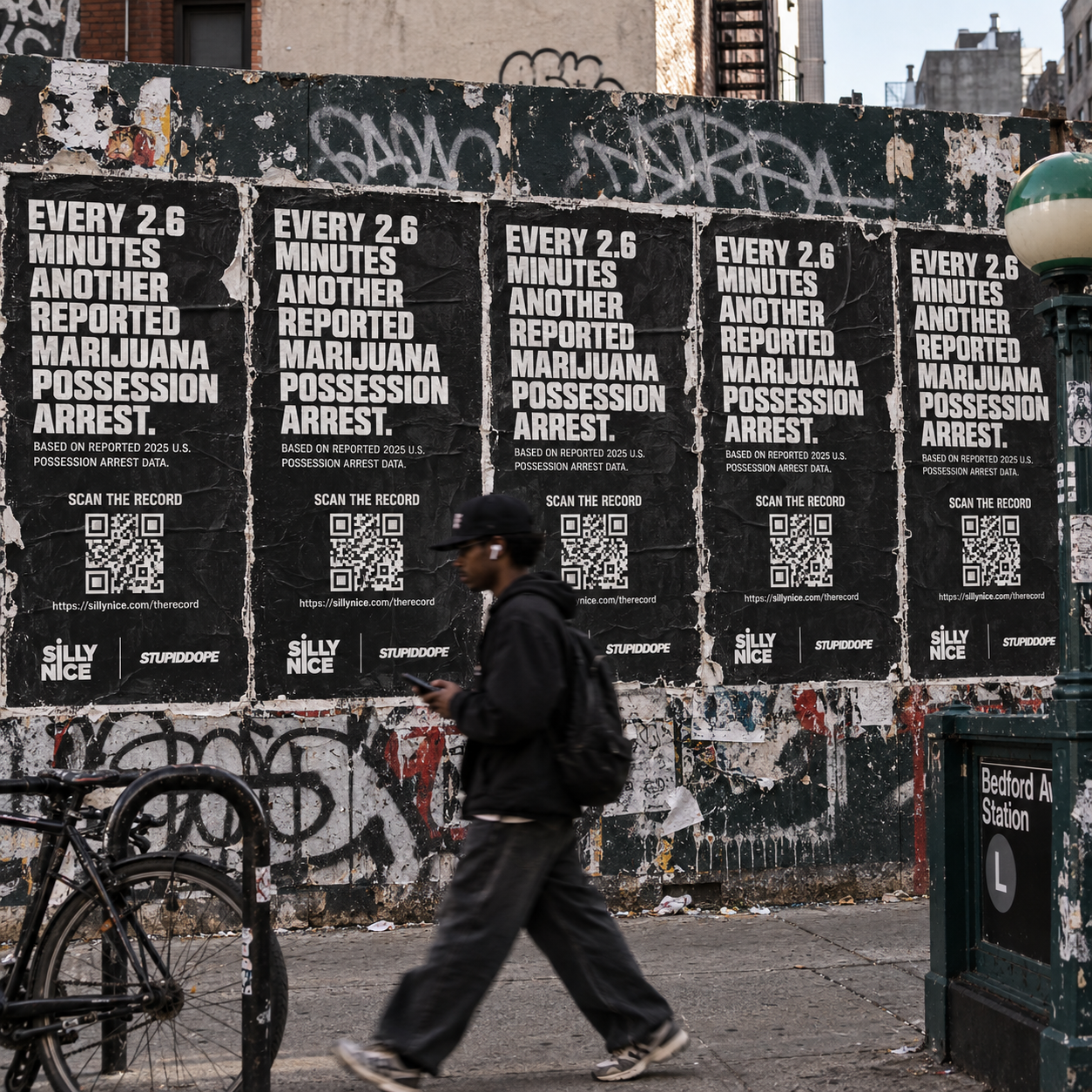
In the United States, the machinery of cannabis enforcement operates with a relentless, quiet efficiency that belies the sweeping legalization narratives dominating public discourse. According to the most recent data published in September 2026 by the FBI Crime Data Explorer, law enforcement agencies reported exactly 200,960 marijuana possession arrests in 2025. This figure represents a staggering reality: despite a wave of state-level reforms, the criminalization of cannabis remains a cornerstone of American law enforcement. When factoring in the 17,192 marijuana sales and manufacturing arrests, the total reaches 218,152 marijuana-related arrests in a single year. This is not a historical footnote; it is a contemporary crisis. The data reveals that approximately 23 percent of all drug-related arrests nationwide were for marijuana possession alone. To understand the scale of this enforcement, one must look at the per-minute rate. Based on the reported 200,960 possession arrests, an individual is arrested for marijuana possession every 2.6 minutes in the United States. This investigation for THE RECORD examines the persistent racial disparities, the geographic divides, and the human toll of a fractured justice system where federal prohibition collides with state-level legalization. We must ask: who is still being arrested, why do these disparities endure, and what does the data actually measure when approximately 13 percent of law enforcement agencies did not submit complete data to the FBI?
The Current Data
The landscape of cannabis enforcement in 2025 is defined by stark geographic and demographic contrasts. The FBI Crime Data Explorer, the federal government's primary repository for criminal justice statistics, documented 218,152 total marijuana-related arrests in 2025. However, this number is a reported total, not an absolute estimate, as approximately 13 percent of law enforcement agencies failed to submit complete data. The actual number of arrests is undoubtedly higher. The geographic concentration of these arrests is particularly revealing. According to a compilation of the 2025 data by the National Organization for the Reform of Marijuana Laws, just 10 states accounted for approximately 60 percent of all marijuana arrests nationwide: Texas, North Carolina, Wisconsin, Georgia, Tennessee, Pennsylvania, South Carolina, Indiana, Louisiana, and Alabama. Texas alone reported over 29,000 marijuana-related arrests, representing roughly 14 percent of the national total, or one arrest every 18 minutes. Furthermore, five states reported more than 11,000 possession arrests each: Texas, North Carolina with 11,830, Wisconsin with 11,470, Georgia with 11,238, and Tennessee with 11,194. In stark contrast, five states with legal cannabis frameworks reported fewer than 100 arrests: Alaska with 92, Maine with 96, Rhode Island with 99, Vermont with 16, and Montana with 35. The data also highlights a profound enforcement focus in specific regions; in six states—Louisiana, Idaho, Iowa, Wisconsin, Nebraska, and Kansas—more than 50 percent of all drug arrests were specifically for marijuana. This dichotomy illustrates a nation divided not just by law, but by the aggressive application of police resources.
Historical Context
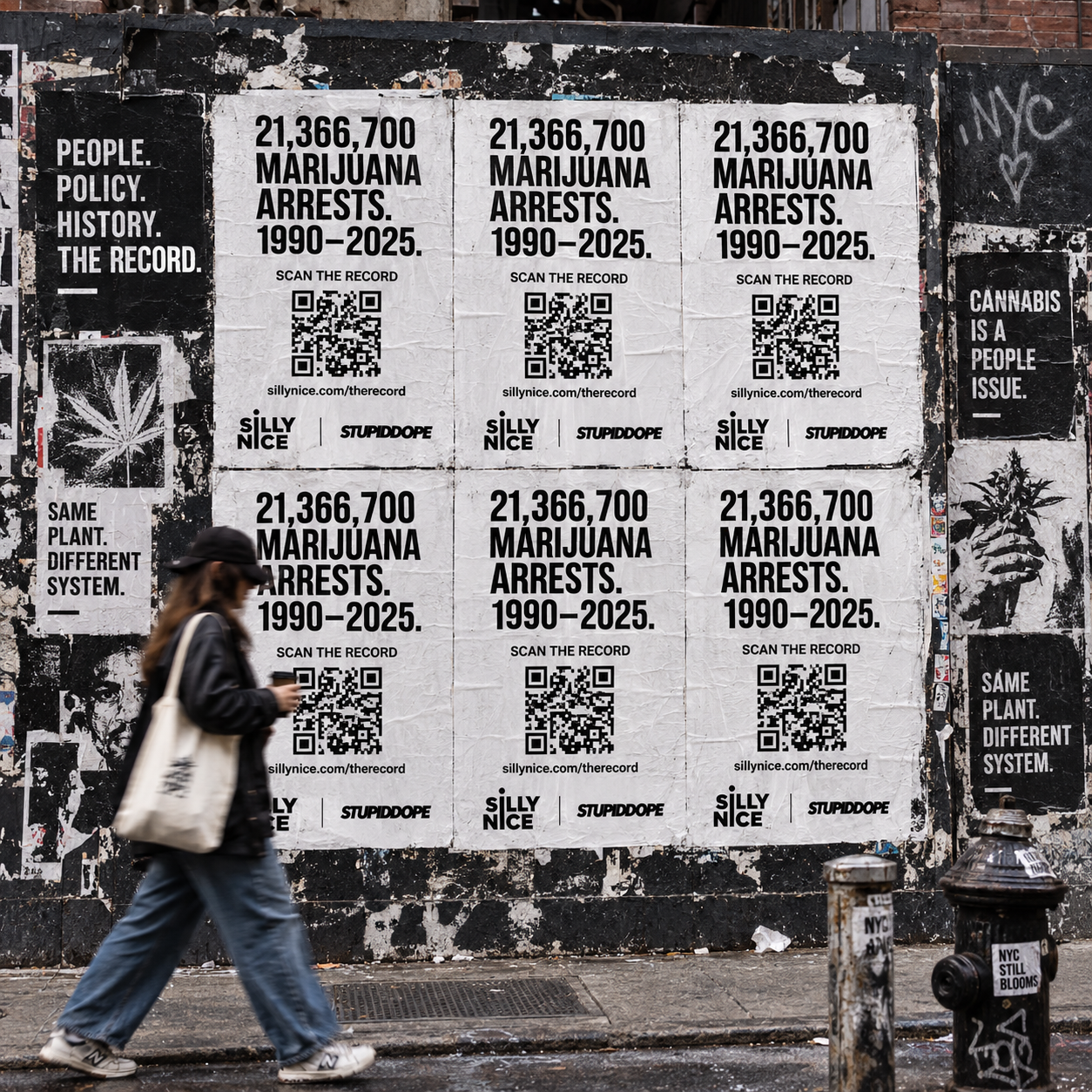
To comprehend the magnitude of the 2025 figures, they must be placed within a broader historical continuum. The modern era of cannabis prohibition has generated an astonishing volume of interactions with the criminal justice system. A comprehensive compilation of FBI Uniform Crime Reporting data from 1990 to 2025 reveals a cumulative total of 21,366,700 marijuana-related arrests. This multi-generational enforcement effort peaked during the first decade of the 21st century. Between 1990 and 1999, law enforcement agencies recorded 5,132,304 arrests. The subsequent decade, from 2000 to 2009, stands as the highest on record, with 7,877,165 arrests. The peak year occurred in 2007, which alone saw 872,721 arrests. The period from 2010 to 2019 saw a slight reduction to 6,921,146 arrests, reflecting the initial wave of state-level decriminalization and legalization efforts that began with Colorado and Washington in 2012. From 2020 to 2025, the total declined further to 1,436,085 arrests amid widespread state legalization. However, this decline does not equate to an end to enforcement. The historical data underscores a critical distinction: these figures represent arrests, not convictions. An arrest is an initial point of contact with law enforcement, which may or may not lead to formal charges, prosecution, or a conviction. Yet, the mere act of being arrested carries profound immediate consequences, including potential detention, legal costs, and the creation of a criminal record that can disrupt employment and housing opportunities, regardless of the ultimate legal outcome.
What the Numbers Mean
Interpreting this vast dataset requires careful attention to critical legal and statistical distinctions. First, one must distinguish between government data and independent compilations. The FBI provides the raw reported totals, while organizations like NORML and the Marijuana Policy Project compile and analyze these figures to identify trends. Second, the data explicitly differentiates between possession and trafficking. Of the 218,152 total arrests in 2025, the overwhelming majority—200,960—were for simple possession, compared to just 17,192 for sales or manufacturing. This indicates that enforcement is overwhelmingly targeted at consumers rather than large-scale distributors. Third, it is vital to separate arrests from convictions, and convictions from incarceration. Millions are arrested, but a smaller fraction are convicted, and an even smaller fraction are sentenced to prison. However, the financial burden of this system is immense. According to a 2013 analysis by the American Civil Liberties Union—the most recent comprehensive estimate of its kind—the United States spent approximately $3.6 billion per year on cannabis prohibition enforcement. While this figure predates widespread legalization and may not reflect current costs, it highlights the massive public expenditure required to sustain these arrest rates. Furthermore, the data captures reported totals, meaning it excludes jurisdictions that failed to report, leaving a gap in our complete understanding of the enforcement landscape. The numbers mean that despite changing cultural attitudes, the bureaucratic machinery of prohibition continues to process hundreds of thousands of individuals annually.
The Human Impact
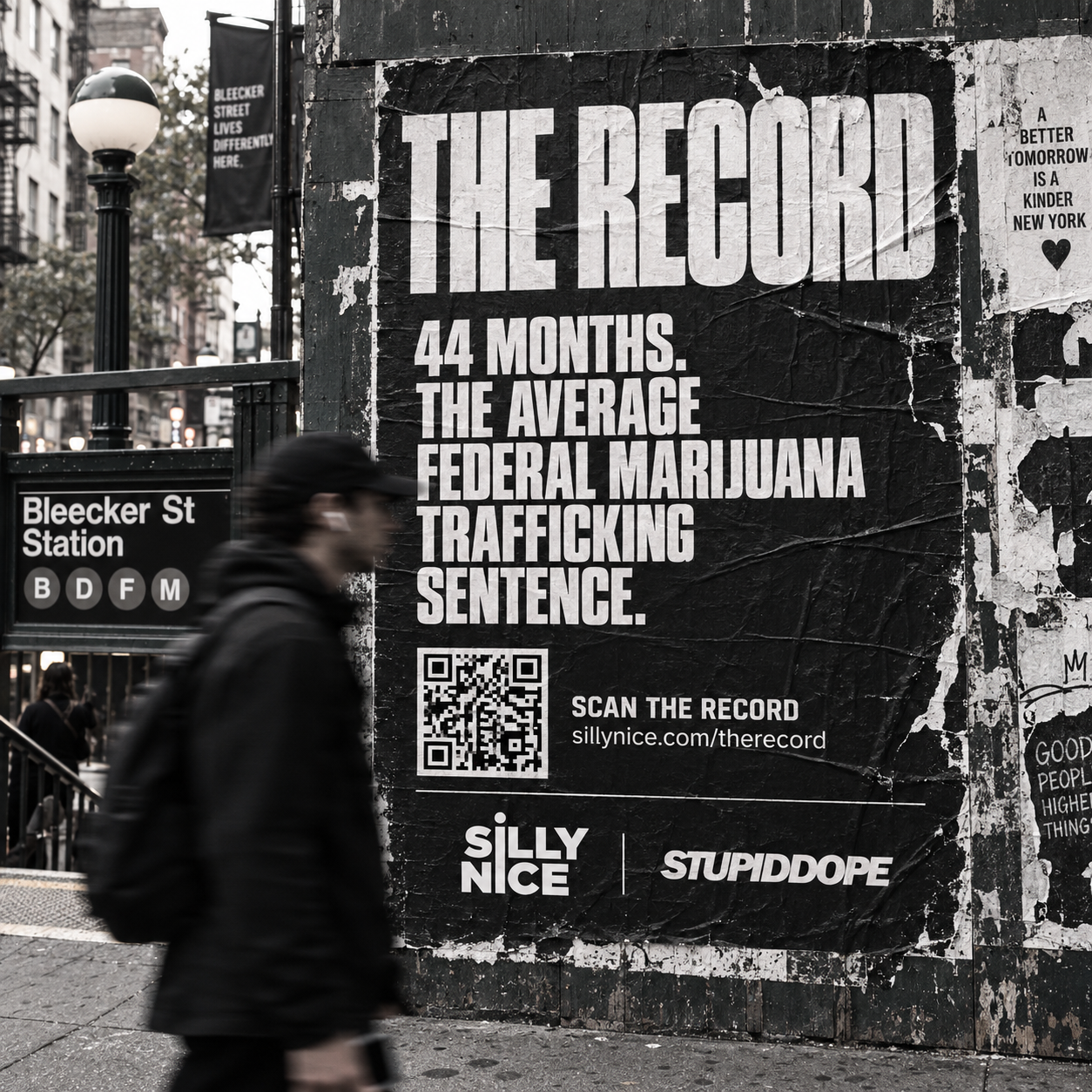
The statistical abstractions of arrest data translate into severe, tangible consequences for individuals, particularly when examining federal sentencing and racial disparities. According to the U.S. Sentencing Commission, 389 individuals were sentenced for marijuana offenses under USSG Chapter Two, Part D in fiscal year 2025. Of those individuals, 85 percent received prison sentences, with the average federal marijuana trafficking sentence landing at 44 months. The demographics of this federal population are striking: 88 percent were men, 80 percent were U.S. citizens, and 64 percent had little or no prior criminal history. The racial disparities are profound. Black Americans constitute approximately 13.6 percent of the U.S. population according to the U.S. Census Bureau, yet they accounted for 42 percent of federal marijuana sentences in FY2025, making them 3.1 times over-represented. Hispanic Americans, comprising roughly 19.5 percent of the population, accounted for 30 percent of sentences, a 1.5 times over-representation. Conversely, White non-Hispanic Americans make up about 58.4 percent of the population but only 15 percent of these sentences, representing a 0.3 times under-representation. Beyond federal prison, the human impact extends into the supervision system. The REFORM Alliance reports that nearly 3.7 million people are on probation or parole in the United States. This supervision system is the largest feeder of people into prison, often for technical violations—such as missing a meeting or being unable to pay fees—rather than new crimes. The burden of a cannabis arrest can easily trigger these technical violations, trapping individuals in a cycle of surveillance and incarceration.
What Has Changed
Despite the grim enforcement statistics, significant policy shifts have transformed the legal landscape in many jurisdictions. As of March 2026, 24 states, the District of Columbia, Guam, and the Northern Mariana Islands have legalized recreational cannabis. Additionally, 40 states, D.C., Puerto Rico, Guam, and the U.S. Virgin Islands have comprehensive medical cannabis laws. The impact of these changes on enforcement is undeniable. The Marijuana Policy Project's 2026 Cannabis Arrest Report found that prohibition states made eight times more cannabis arrests than legalization states in 2025, comparing 186,581 arrests to 22,357. Furthermore, legalization states made 219,456 fewer arrests in 2025 than the year before each legalized, representing an average drop in cannabis arrest rates of 85.53 percent. Specifically, possession arrests fell 84.61 percent, and sales arrests fell 80.39 percent after legalization. Another major change is the implementation of record clearance mechanisms. In New York, which legalized cannabis via the Marijuana Regulation and Taxation Act in 2021, over 400,000 cannabis-related records have been identified for expungement. It is crucial to distinguish between these legal remedies: under New York law, expungement means the arrest, court case, and conviction are treated as if they never happened and do not appear on background checks. This is legally distinct from sealing, where records still exist but are restricted, and distinct from pardons or clemency, which forgive the offense but do not necessarily erase the record. Organizations like the Last Prisoner Project have also made strides, saving over 400 years through clemency and release programs, clearing over 250,000 offenses, and distributing $3.8 million in direct support.
What Remains Unresolved
While state-level reforms have accelerated, a massive policy gap remains unresolved at the national level. According to the Congressional Research Service, cannabis remains a Schedule I controlled substance under the federal Controlled Substances Act. This classification dictates that the federal government views cannabis as having a high potential for abuse, no currently accepted medical use, and a lack of accepted safety for use under medical supervision. This federal posture creates a schizophrenic legal environment where businesses operate legally under state law while remaining federally illicit. Furthermore, access to medical cannabis remains entirely blocked in Idaho, Kansas, and American Samoa. The disparity between prohibition and legalization states is stark; the 20 states with the lowest cannabis arrest rates are all legalization states, while prohibition states continue to drive the national arrest totals. The supervision system also requires urgent reform. While the REFORM Alliance helped pass legislation impacting over 188,000 people in 2025, and 72 percent of Americans support modernizing probation and parole, millions remain vulnerable to incarceration for technical violations stemming from past cannabis convictions. Federal legislation, such as the Safer Supervision Act advanced in Congress in 2025, attempts to address these issues, but comprehensive federal descheduling remains elusive. The top federal judicial districts for marijuana trafficking cases in FY2025—the Western District of Texas with 43 cases, the Southern District of Texas with 38, and the Eastern District of Virginia with 27—demonstrate that federal prosecutors continue to pursue these cases, even as total federal trafficking cases declined 62 percent since FY2021, dropping from 995 to 383 cases.
Conclusion
The data from 2025 presents a complex, often contradictory picture of cannabis justice in the United States. While state-level legalization has drastically reduced arrests in specific regions, the national machinery of prohibition continues to function, resulting in 200,960 possession arrests and perpetuating deep racial disparities. The federal government's continued classification of cannabis as a Schedule I substance ensures that the conflict between state and federal law will persist, leaving millions vulnerable to the severe consequences of criminalization, from federal prison sentences averaging 44 months to the restrictive web of the probation and parole system. The verified statistics demand a rigorous reevaluation of how justice is administered in America. As long as an individual is arrested for marijuana possession every 2.6 minutes, the era of prohibition is far from over. For ongoing investigative coverage and to explore the full dataset driving this initiative, visit THE RECORD at https://sillynice.com/therecord.
This comprehensive review of FBI, USSC, and independent data underscores the necessity of precise, fact-based reporting in the pursuit of cannabis justice. The numbers—21,366,700 historical arrests, 400,000 expunged records in New York, and $3.8 million in direct support from advocacy groups—tell a story of a system in transition, yet stubbornly resistant to total reform.
Ultimately, the architecture of enforcement relies on the continued criminalization of possession, a policy that disproportionately impacts Black and Hispanic Americans. Until federal law aligns with the reality of state-level legalization, the data will continue to reflect a deeply divided nation.
The findings presented here are drawn directly from verified government and institutional sources, ensuring that the conversation surrounding cannabis justice remains grounded in empirical reality rather than political rhetoric.
As we move forward, it is imperative that policymakers, journalists, and the public continue to scrutinize these figures, demanding accountability and transparency from the agencies tasked with enforcing these laws.
The human cost of these 218,152 annual arrests cannot be overstated, and the push for comprehensive reform must be informed by the stark realities revealed in this data.
In closing, the statistics serve as both a historical record and a call to action, highlighting the urgent need for a unified, equitable approach to cannabis policy in the United States.
Topics