Introduction
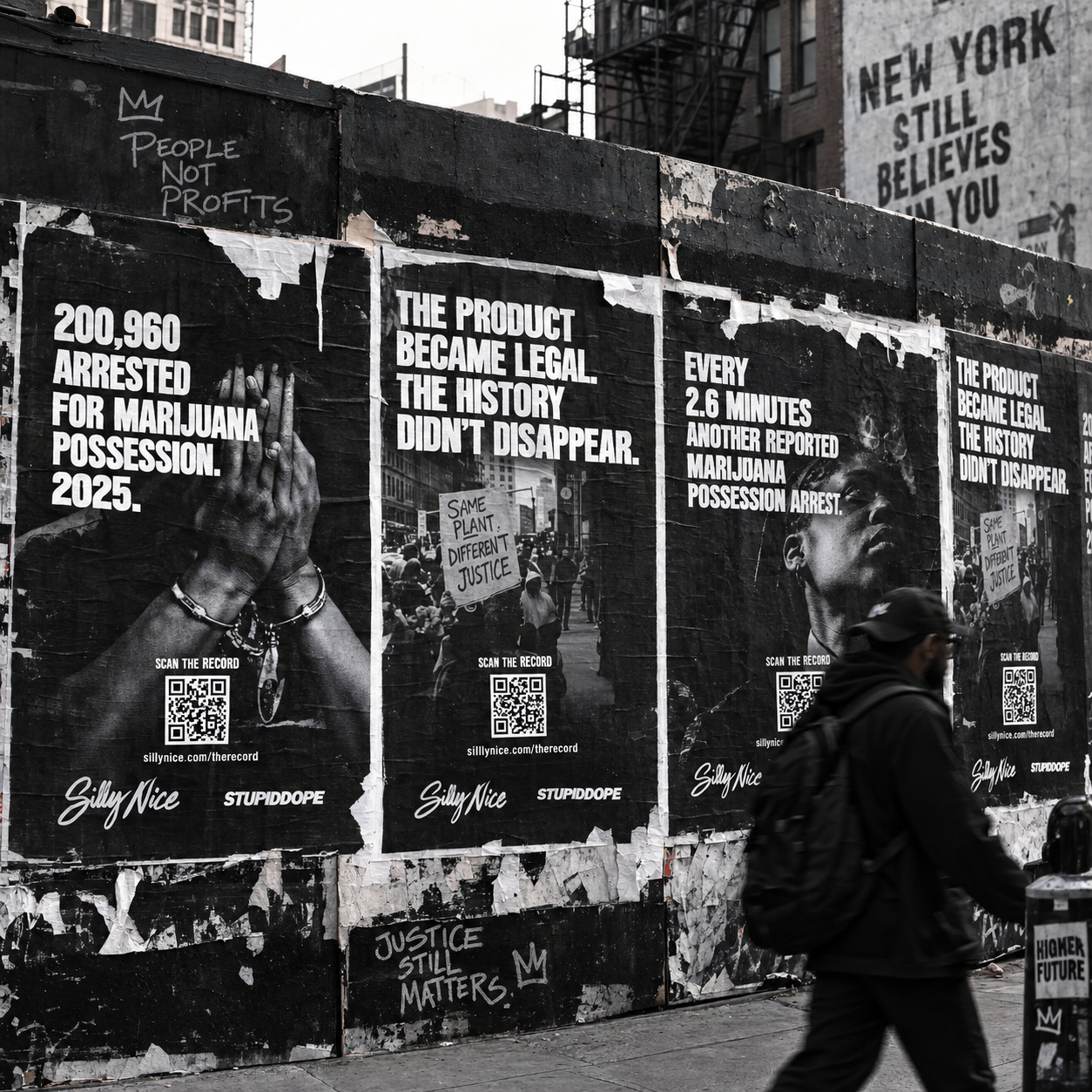
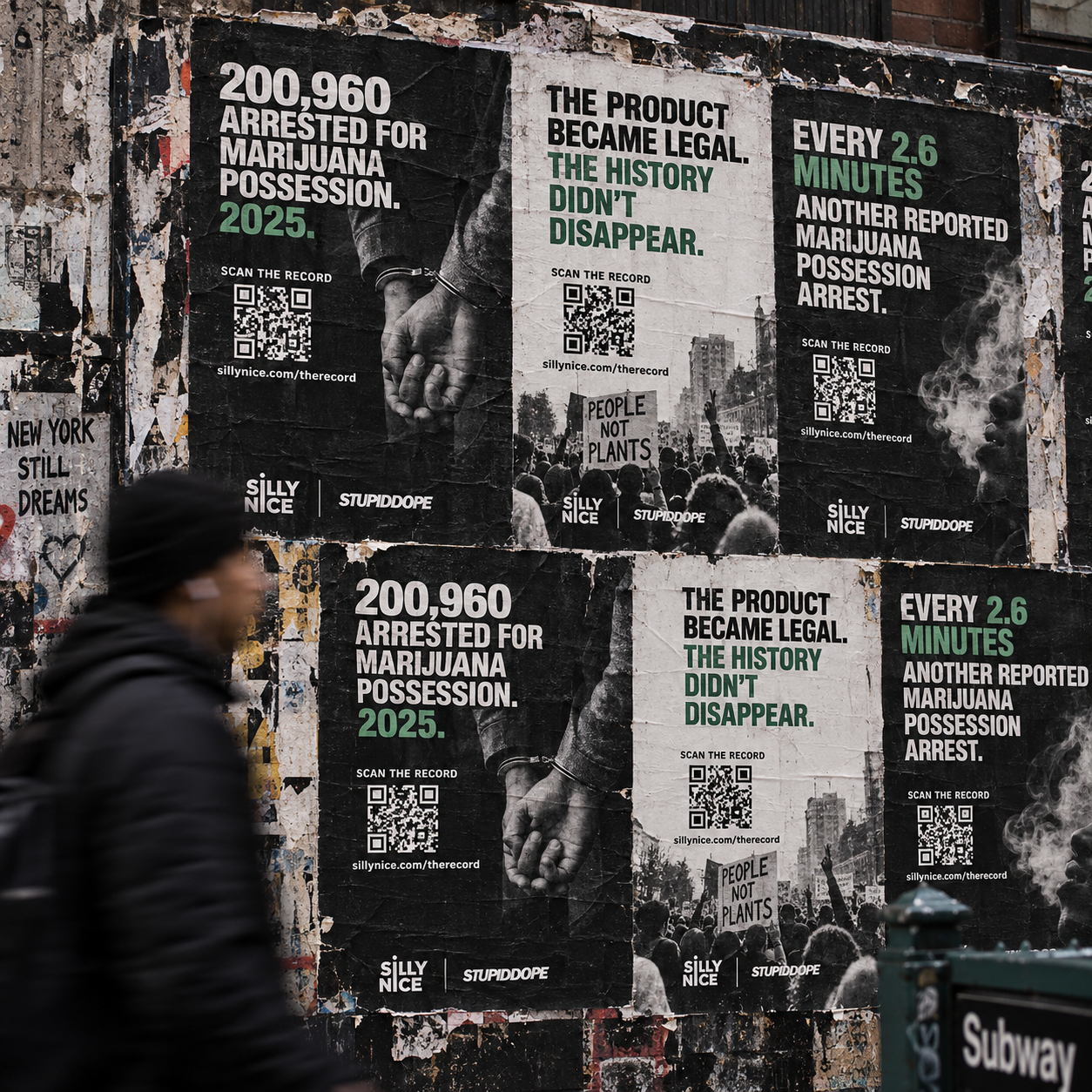
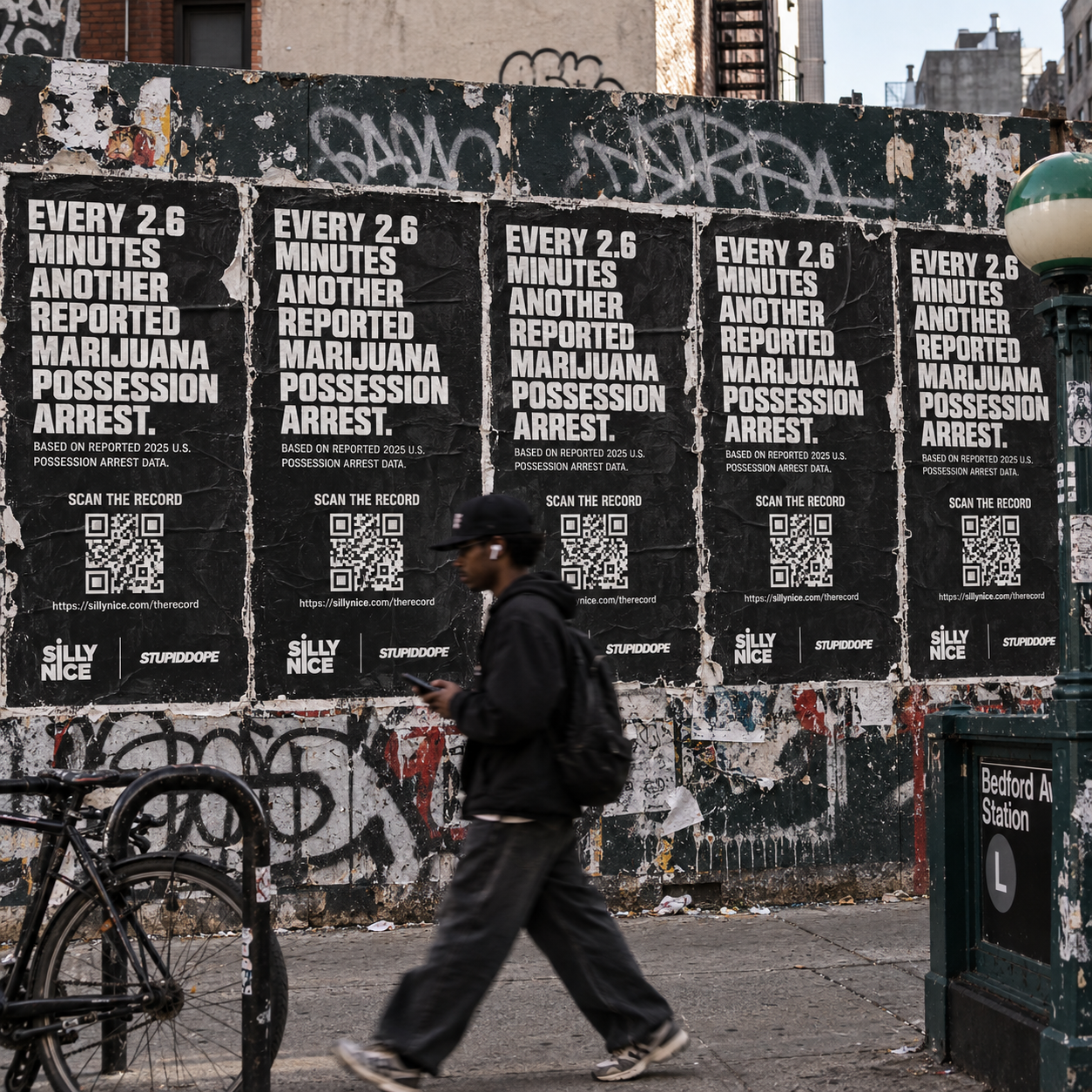
In the United States, the enforcement of marijuana laws has fractured into a complex, geographically dependent patchwork that defies broad national narratives of sweeping legalization. Despite the rapid expansion of state-level reforms over the past decade, the machinery of prohibition continues to operate with remarkable efficiency in specific regions. According to the most recent verified data, there is one reported marijuana possession arrest every 2.6 minutes in America. This staggering per-minute rate, calculated from the 200,960 reported marijuana possession arrests in 2025, underscores a persistent reality: geography dictates justice. The policy gap between federal classification and state legalization is significant, creating an environment where an action that is celebrated as a legitimate enterprise in one state can result in handcuffs just a few miles across a state border. This investigation for THE RECORD examines the stark regional disparities and enforcement trends that define the current landscape of cannabis policing. By analyzing verified statistics from federal agencies and independent research organizations, we can begin to understand not just where these arrests actually happen, but how the deeply entrenched systems of law enforcement continue to process hundreds of thousands of individuals through the criminal justice system each year. It is crucial to explicitly distinguish between arrests and convictions, as well as between government data and independent compilations, to fully grasp the scope of this ongoing phenomenon.
The Current Data
To understand the modern landscape of cannabis enforcement, one must look directly at the numbers provided by the primary federal repository for crime statistics. According to the FBI Crime Data Explorer, 2025 Arrest Data, law enforcement agencies reported 200,960 marijuana possession arrests in 2025. When factoring in the 17,192 marijuana sales/manufacturing arrests in 2025, the total reaches 218,152 total marijuana-related arrests in 2025. These figures are not mere estimates; they are the reported totals submitted by local and state agencies to the federal government. However, it is vital to distinguish between reported totals and estimates, as approximately 13% of law enforcement agencies did not submit complete data, meaning the actual totals may be significantly higher. Furthermore, these arrests constituted approximately 23% of all drug-related arrests nationwide, demonstrating that cannabis remains a primary focus of narcotics enforcement despite shifting public opinion. The distinction between possession and trafficking is also starkly illuminated by this data, with possession accounting for the overwhelming majority of police interactions. This data, analyzed in the NORML analysis of FBI data, reveals that the burden of enforcement falls disproportionately on low-level offenders rather than large-scale distributors. The sheer volume of these interactions requires a massive allocation of public resources, a cost that the ACLU previously estimated at $3.6 billion per year spent on cannabis prohibition enforcement, though this figure predates widespread legalization and may not reflect current costs.
Historical Context
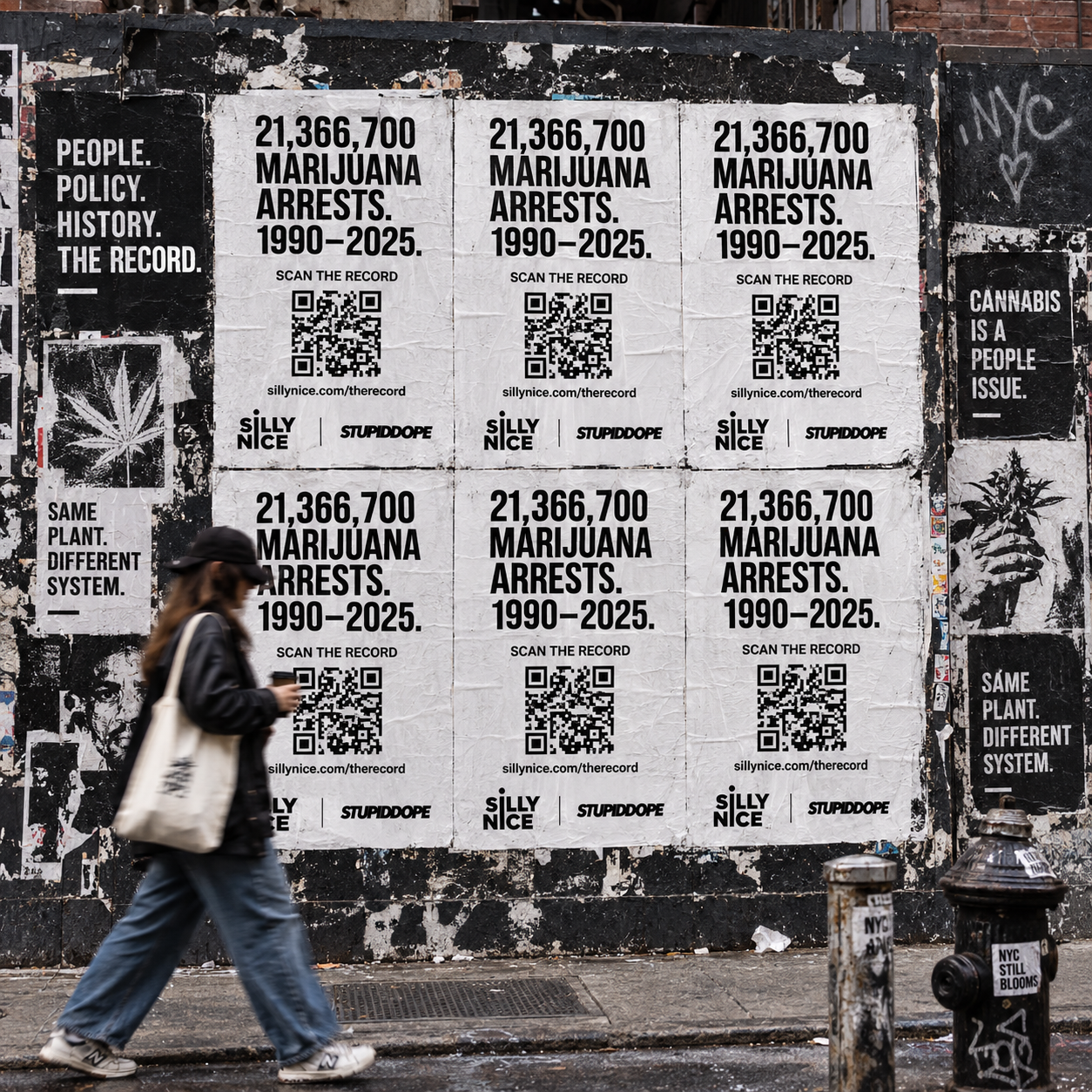
The current enforcement statistics do not exist in a vacuum; they are the latest data points in a decades-long war on drugs that has fundamentally shaped the American criminal justice system. According to the NORML compilation of FBI UCR data, there were 21,366,700 cumulative marijuana-related arrests from 1990 to 2025. Breaking down this historical timeline reveals the shifting intensity of enforcement. During the period from 1990 to 1999, there were 5,132,304 arrests. The subsequent decade, from 2000 to 2009, marked the highest decade on record with 7,877,165 arrests. The era from 2010 to 2019 saw 6,921,146 arrests, with the peak year occurring in 2007, which alone accounted for 872,721 arrests. It was only in the most recent period, from 2020 to 2025, that a significant decline amid state legalization became apparent, totaling 1,436,085 arrests. This historical context is essential for understanding the momentum of law enforcement practices. The infrastructure built to process millions of arrests over three decades cannot be dismantled overnight, even as laws change. The first states to legalize, Colorado and Washington in 2012, initiated a slow fracturing of the national prohibition consensus, but the historical data proves that the machinery of arrest and processing remained highly active long after those initial reforms. Understanding this history requires distinguishing between federal and state cases, as the vast majority of these historical arrests were executed by local and state police enforcing state-level prohibition statutes rather than federal agents.
What the Numbers Mean
Interpreting the 2025 data requires a granular look at the geography of enforcement, which reveals that national averages obscure intense regional concentrations of police activity. According to the NORML compilation for 2025, just 10 states accounted for approximately 60% of all marijuana arrests: Texas, North Carolina, Wisconsin, Georgia, Tennessee, Pennsylvania, South Carolina, Indiana, Louisiana, and Alabama. Texas alone accounted for approximately 14% of the national total, with over 29,000 marijuana-related arrests, equating to one arrest every 18 minutes. Furthermore, there were 5 states with over 11,000 possession arrests each: Texas, Georgia (11,238), North Carolina (11,830), Tennessee (11,194), and Wisconsin (11,470). In stark contrast, 5 legal states reported fewer than 100 arrests: Alaska (92), Maine (96), Montana (35), Rhode Island (99), and Vermont (16). The data also highlights states where cannabis enforcement dominates drug policing; there were 6 states where over 50% of drug arrests were for marijuana: Louisiana, Idaho, Iowa, Wisconsin, Nebraska, and Kansas. These numbers mean that a citizen's likelihood of facing criminal justice involvement for cannabis is almost entirely dependent on their zip code. It is critical to distinguish between arrests and convictions here; an arrest represents an initial police interaction and entry into the system, which carries its own immediate costs and traumas, regardless of whether it ultimately results in a formal conviction in a court of law.
The Human Impact
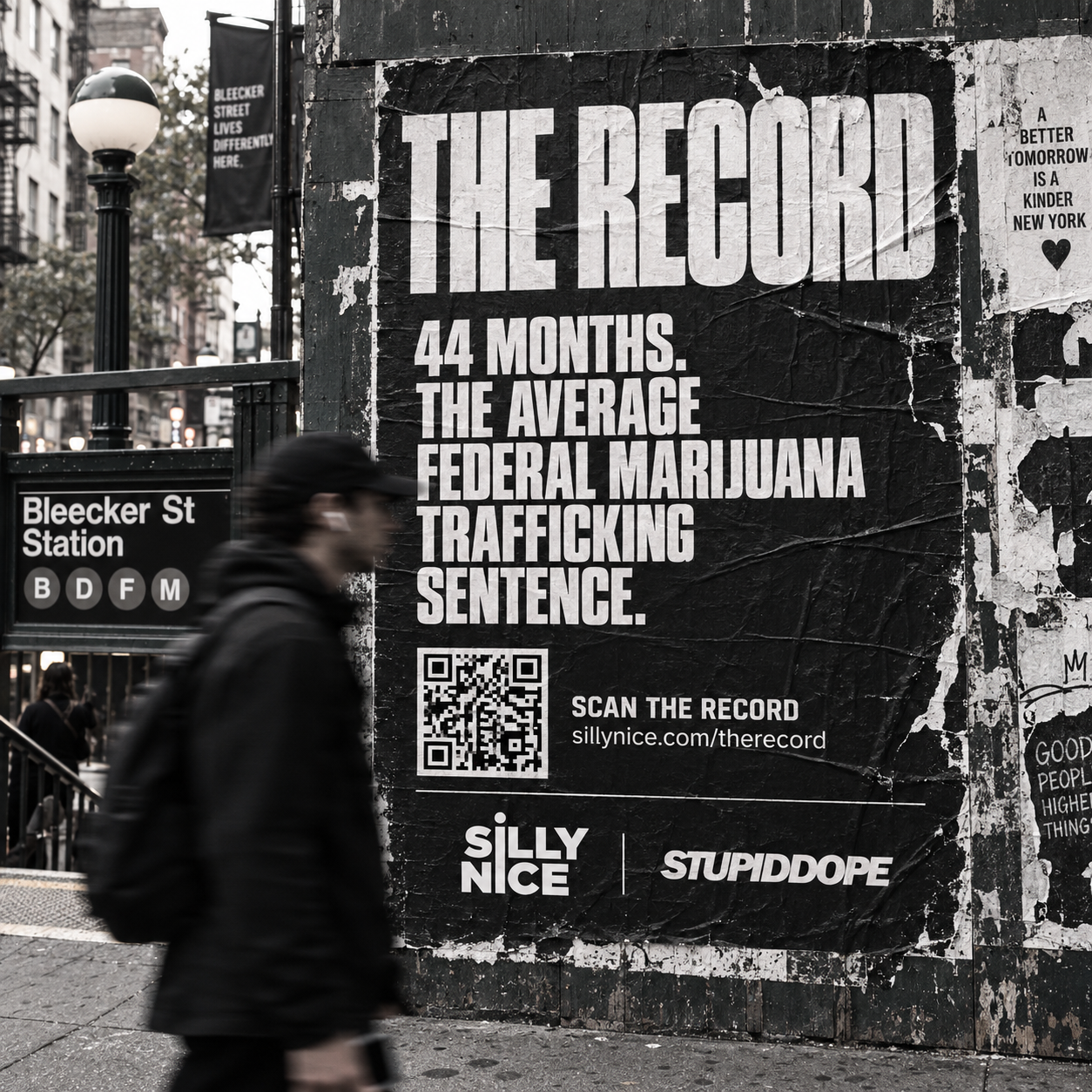
Beyond the aggregate statistics lies the profound human impact of ongoing enforcement, particularly at the federal level and within the broader supervision system. According to the U.S. Sentencing Commission, FY2025 data, there were 389 individuals sentenced for marijuana offenses under USSG Chapter Two, Part D. Of those, 85% received prison sentences, with 44 months being the average federal marijuana trafficking sentence in FY2025. The demographics of these federal cases reveal stark racial disparities: 88% were men, 42% were Black, 30% were Hispanic, 15% were White, and 12% were other. Contextualizing this with U.S. Census Bureau 2023 data shows that Black Americans, who make up approximately 13.6% of the U.S. population, are 3.1 times over-represented in these federal sentences. Hispanic Americans, at approximately 19.5% of the population, are 1.5 times over-represented, while White Americans, at approximately 58.4% of the population, are 0.3 times under-represented. Notably, 80% of these federal offenders were U.S. citizens, and 64% had little or no prior criminal history. The human toll extends beyond prison walls into the supervision system. The REFORM Alliance reports that there are nearly 3.7 million people on probation or parole in the United States, and this system is the largest feeder of people into prison for technical violations, not new crimes. It is essential to distinguish between convictions and incarceration, as many individuals face severe life disruptions through probation conditions even if they avoid a prison cell.
What Has Changed
Despite the grim statistics in prohibition states, significant policy shifts have transformed the landscape in other parts of the country. As of March 2026, 24 states, along with Washington D.C., Guam, and the Northern Mariana Islands, have legalized recreational cannabis. Furthermore, 40 states, D.C., Puerto Rico, Guam, and the U.S. Virgin Islands have comprehensive medical cannabis laws. The impact of these legal changes on law enforcement behavior is undeniable. According to the MPP 2026 Cannabis Arrest Report, prohibition states made 8 times more cannabis arrests than legalization states in 2025, specifically 186,581 versus 22,357. Legalization states made 219,456 fewer arrests in 2025 than the year before each legalized, representing an average drop in cannabis arrest rates after legalization of 85.53%. Breaking this down, possession arrests fell 84.61% after legalization, and sales arrests fell 80.39%. Crucially, cannabis arrests dropped in every state after legalization, and the 20 states with the lowest cannabis arrest rates are all legalization states. In New York, which legalized via the MRTA in 2021, the focus has shifted toward repairing past harms. Organizations like the Last Prisoner Project have been instrumental in this changing tide, reporting over 400 years saved through clemency and release programs, over 250,000 offenses cleared, and $3.8 million distributed in direct support. These changes highlight the critical distinction between federal and state cases, as state-level reforms continue to outpace federal stagnation.
What Remains Unresolved
While state-level reforms have drastically reduced arrest rates in legalized jurisdictions, massive structural and legal issues remain unresolved, primarily due to federal intransigence. According to the Congressional Research Service, cannabis remains a Schedule I controlled substance under the federal Controlled Substances Act (21 U.S.C. §§801 et seq.). This Schedule I classification means the federal government maintains that cannabis has a high potential for abuse, no currently accepted medical use, and a lack of accepted safety for use under medical supervision. This creates a profound policy gap between federal classification and state legalization. At the state level, the process of clearing past records remains a monumental logistical challenge. In New York, the Office of Cannabis Management and NY Courts identified over 400,000 cannabis-related records for expungement under the 2021 MRTA. While the initial figure was approximately 300,000, by 2026, the verified total exceeded 400,000. It is vital to explicitly distinguish between expungement, sealing, pardons, and clemency. Under NY law (CPL 1.20(45)), expungement means the arrest, court case, and conviction are treated as if they never happened, and they do not appear on background checks. This is legally distinct from sealing, where records still exist but are restricted. Meanwhile, states with no medical cannabis access, such as Idaho, Kansas, and American Samoa, continue to enforce strict prohibition, ensuring that the national map of cannabis justice remains deeply fractured.
Conclusion
The geography of marijuana enforcement in the United States is a tale of two distinct legal realities. The verified data from 2025 confirms that while legalization states have seen an 85.53% average drop in arrest rates, prohibition states continue to drive a national total of 218,152 marijuana-related arrests. With one reported marijuana possession arrest occurring every 2.6 minutes, the machinery of the drug war remains highly active, disproportionately impacting specific regions and demographics. The federal government's continued classification of cannabis as a Schedule I substance ensures that the policy gap between state and federal law will continue to generate legal friction and human consequences, evidenced by the 44 months average federal marijuana trafficking sentence. As millions remain entangled in the supervision system and hundreds of thousands await expungement, the data clearly shows that the era of cannabis arrests is far from over. For ongoing coverage and deeper investigations into cannabis justice and culture, visit THE RECORD at https://sillynice.com/therecord.
This comprehensive review of the 2025 FBI Arrest Data, alongside historical compilations and federal sentencing statistics, provides an unvarnished look at the current state of enforcement. The numbers demand attention not just as abstract figures, but as indicators of how law enforcement resources are deployed across different jurisdictions. The stark contrast between a state like Texas, with over 29,000 arrests, and Vermont, with just 16, illustrates a fractured justice system where the consequences of possession are entirely dependent on geography. As the national conversation around criminal justice reform continues, these verified statistics must serve as the foundation for any serious policy debate.
Ultimately, the data reveals that while progress has been made in reducing the overall volume of arrests from the peak of the 2000s, the underlying disparities remain deeply entrenched. The over-representation of Black and Hispanic individuals in federal sentencing, coupled with the massive volume of low-level possession arrests in prohibition states, underscores the urgent need for continued scrutiny. The work of organizations tracking these metrics, from the U.S. Sentencing Commission to independent policy projects, remains vital in holding the system accountable and illuminating the true geography of marijuana enforcement in America.
The path forward requires a clear-eyed understanding of these realities. Distinguishing between arrests and convictions, recognizing the difference between state and federal jurisdictions, and understanding the nuances of expungement versus sealing are all necessary steps in navigating this complex landscape. As we continue to monitor these trends, the data will remain our most reliable guide to understanding where arrests actually happen and who bears the brunt of this ongoing enforcement.
In closing, the statistics presented in this report are not merely historical artifacts; they represent ongoing, daily realities for thousands of Americans. The 200,960 reported marijuana possession arrests in 2025 alone represent a massive expenditure of public resources and a significant disruption to individual lives. Until the policy gap between federal classification and state legalization is resolved, the geography of enforcement will continue to dictate the terms of justice in the United States.
The commitment to uncovering these truths remains central to the mission of investigative journalism. By relying on verified data and rigorous analysis, we can move beyond the rhetoric and examine the actual mechanics of the criminal justice system as it pertains to cannabis enforcement.
This concludes our detailed examination of the geography of marijuana enforcement. The numbers speak for themselves, revealing a system that is as divided as the nation it serves.
Topics