Introduction
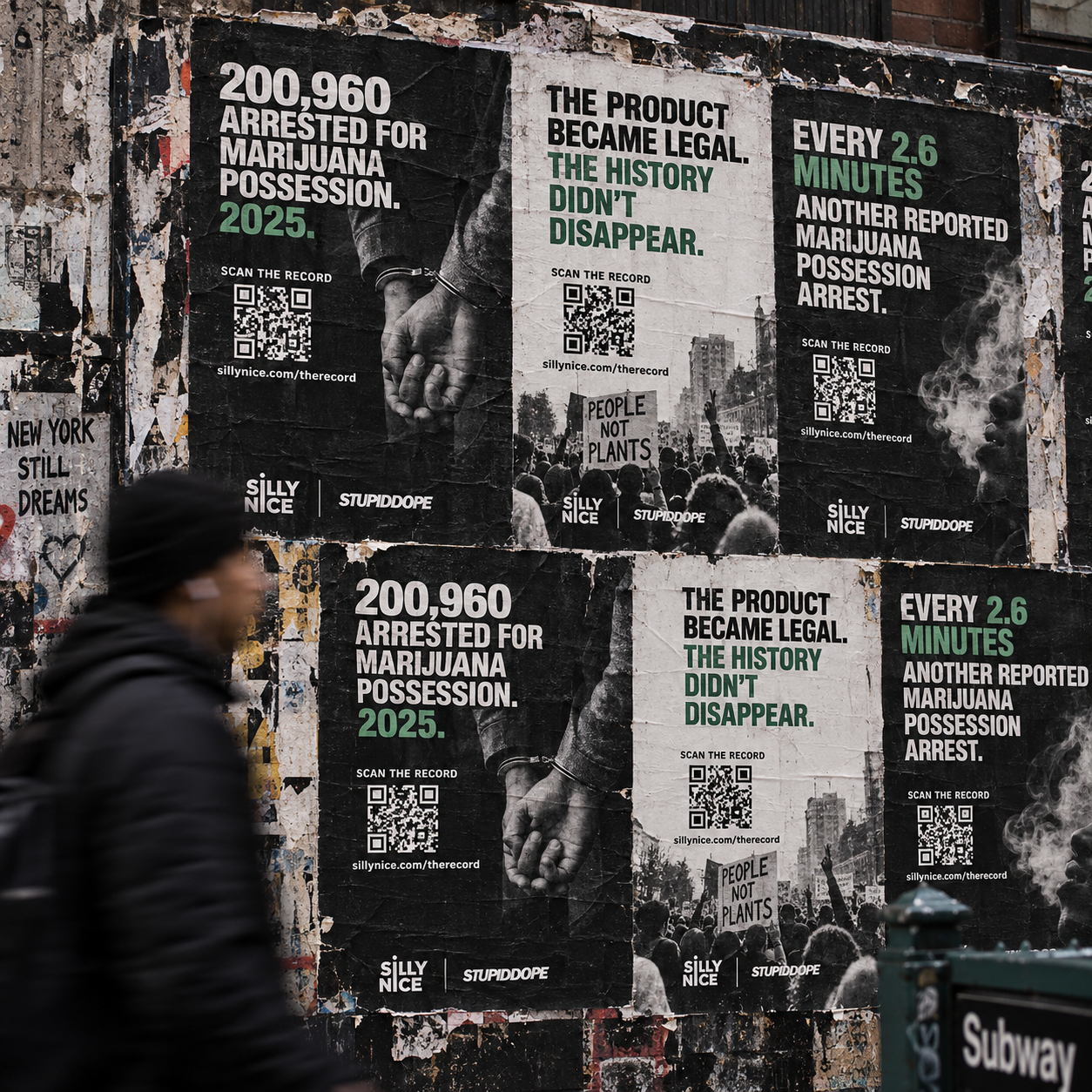
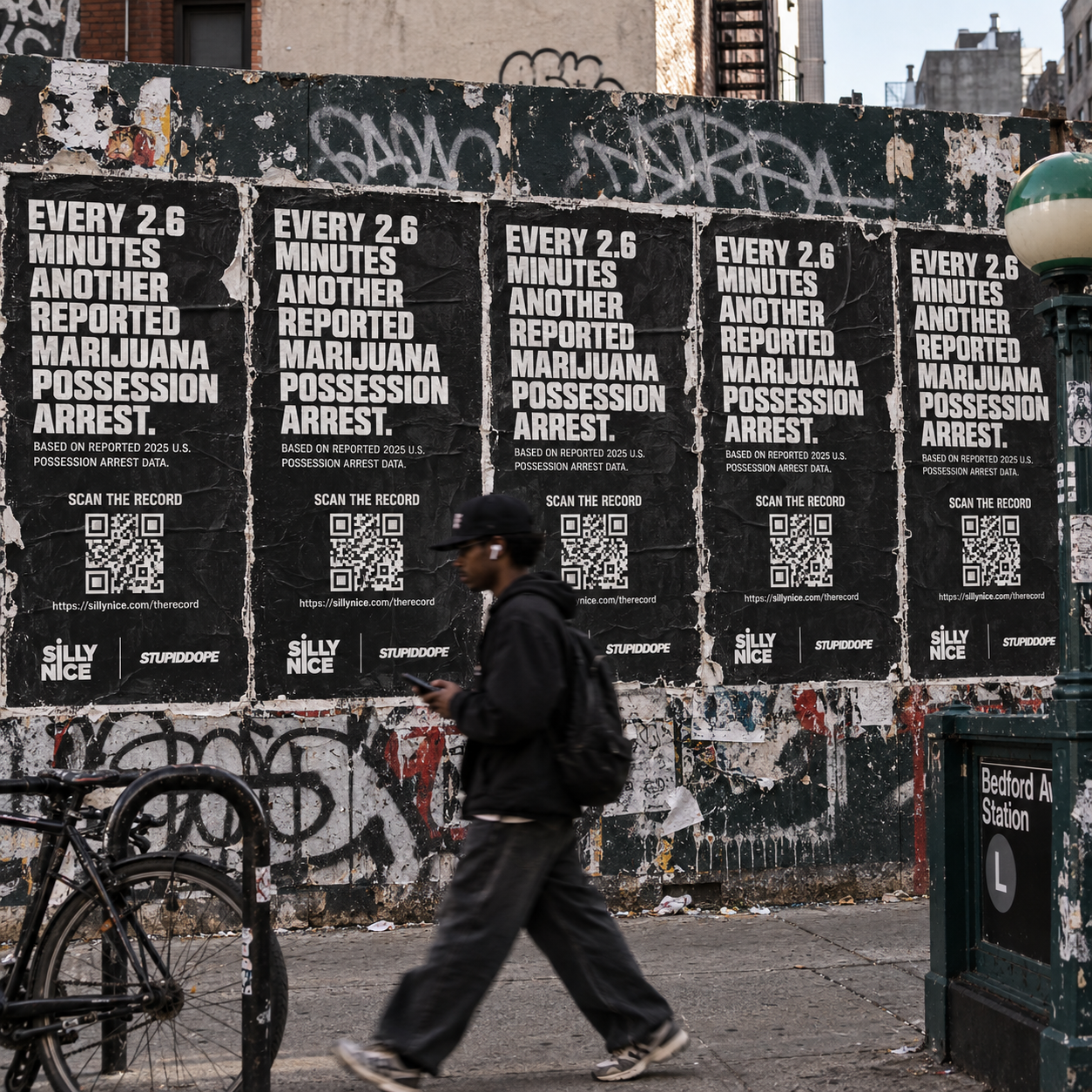
In the United States, the machinery of cannabis prohibition continues to operate with relentless efficiency, generating one reported marijuana possession arrest every 2.6 minutes. This staggering frequency—calculated from the 200,960 reported marijuana possession arrests in 2025—highlights a profound disconnect between shifting public policy and ground-level law enforcement. As the legal cannabis industry flourishes, generating billions in revenue and transforming retail landscapes across the country, a parallel reality persists for hundreds of thousands of Americans whose lives are derailed by criminal records for the exact same plant. The consequences of these encounters with the justice system extend far beyond the immediate humiliation of an arrest or the confines of a jail cell.
For many, a cannabis conviction functions as a permanent economic tether, quietly restricting access to employment, housing, and professional licensing. Background checks do not distinguish between a society that has moved on and a legal system that has not. When an employer runs a screening, a conviction from a decade ago appears just as disqualifying as one from yesterday. This investigative report examines the enduring collateral consequences of cannabis criminalization, analyzing how historical enforcement patterns, geographic disparities, and the labyrinth of the modern supervision system continue to suppress lifetime earnings and economic mobility for those caught in the crosshairs of the drug war.
The Current Data
To understand the scope of the ongoing enforcement apparatus, one must look at the most recent figures published by the federal government. According to the [FBI Crime Data Explorer, 2025 Arrest Data](https://cde.ucr.cjis.gov/), law enforcement agencies reported 218,152 total marijuana-related arrests in 2025. The overwhelming majority of these encounters were not for high-level trafficking or distribution; rather, 200,960 of those arrests were strictly for marijuana possession. Meanwhile, 17,192 marijuana sales/manufacturing arrests were recorded in 2025. These figures indicate that approximately 23% of all drug-related arrests nationwide were for marijuana possession alone, a remarkable statistic given the widespread narrative that the war on cannabis has ended.
The geographic distribution of these arrests reveals a deeply fractured legal landscape. According to a [NORML compilation of FBI UCR data](https://norml.org/laws/us-marijuana-arrest-charts/), just 10 states accounted for approximately 60% of all marijuana arrests: Texas, North Carolina, Wisconsin, Georgia, Tennessee, Pennsylvania, South Carolina, Indiana, Louisiana, and Alabama. Texas alone accounted for approximately 14% of the national total, with over 29,000 marijuana-related arrests—averaging one arrest every 18 minutes. Furthermore, five states reported more than 11,000 possession arrests each: Texas, Georgia (11,238), North Carolina (11,830), Tennessee (11,194), and Wisconsin (11,470). In stark contrast, five legal states reported fewer than 100 arrests: Alaska (92), Maine (96), Montana (35), Rhode Island (99), and Vermont (16).
The disparity between prohibition and legalization jurisdictions is starkly quantified in the [2026 Cannabis Arrest Report](https://www.mpp.org/assets/pdf/issues/criminal-justice/2026-cannabis-arrest-report.pdf) by the Marijuana Policy Project (MPP). The report found that prohibition states made eight times more cannabis arrests than legalization states in 2025 (186,581 versus 22,357). Furthermore, the 20 states with the lowest cannabis arrest rates are all legalization states, underscoring how state-level policy directly dictates the volume of citizens funneled into the criminal justice system.
Historical Context
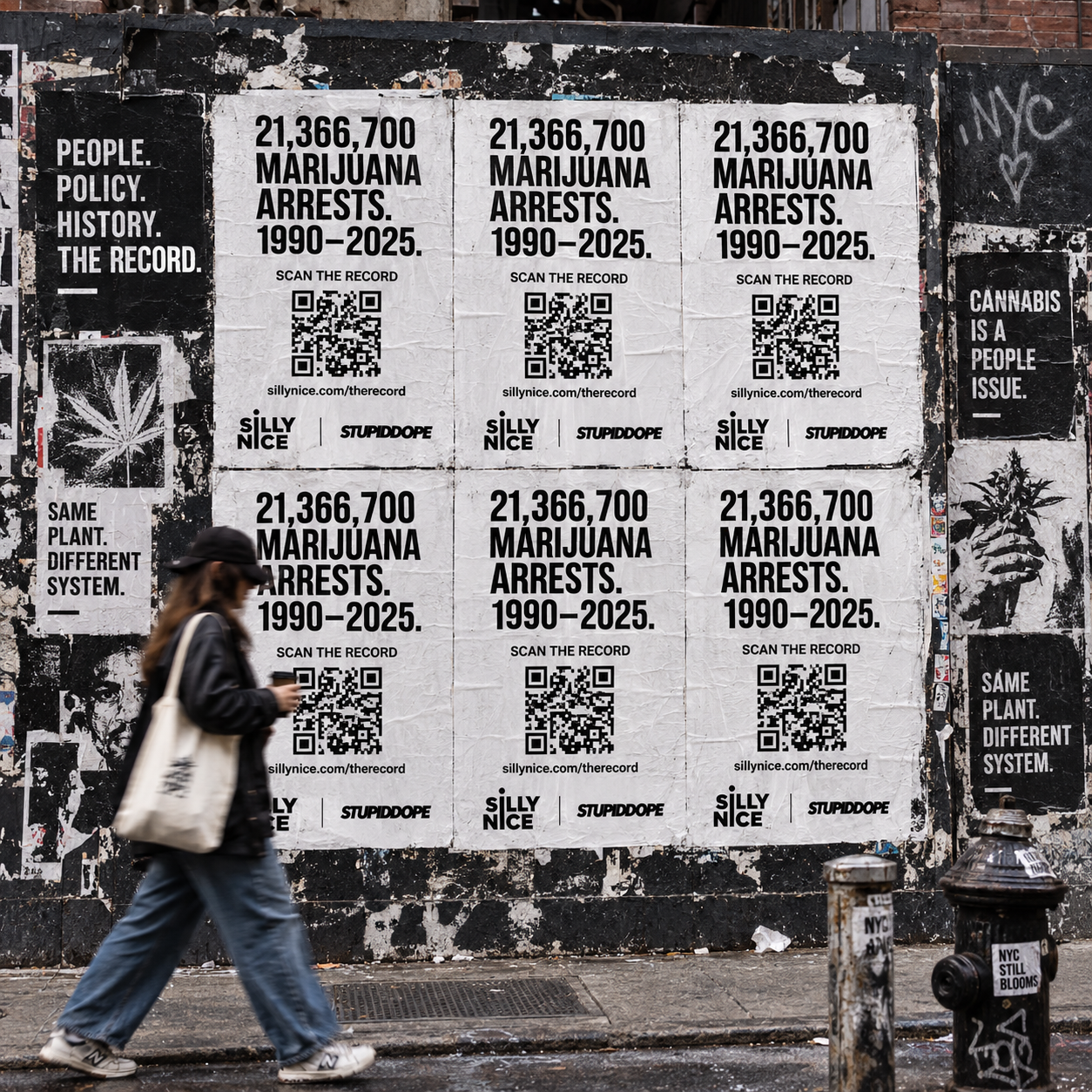
The current enforcement statistics, while substantial, represent only the tail end of a decades-long campaign of criminalization. A [NORML compilation of FBI UCR data](https://norml.org/laws/us-marijuana-arrest-charts/) reveals a staggering 21,366,700 cumulative marijuana-related arrests from 1990 to 2025. The enforcement peaked dramatically at the turn of the millennium. Between 1990 and 1999, there were 5,132,304 arrests. The following decade, from 2000 to 2009, became the highest decade on record with 7,877,165 arrests. The peak year occurred in 2007, which saw 872,721 arrests. The period from 2010 to 2019 recorded 6,921,146 arrests, before a notable decline amid state legalization efforts brought the 2020-2025 total down to 1,436,085 arrests.
This historical volume created a massive underclass of individuals burdened with criminal records. The legislative response has been a slow, state-by-state dismantling of prohibition. According to the [Congressional Research Service](https://crsreports.congress.gov/), as of March 2026, 24 states, the District of Columbia, Guam, and the Northern Mariana Islands have legalized recreational cannabis. Additionally, 40 states, D.C., Puerto Rico, Guam, and the U.S. Virgin Islands have comprehensive medical cannabis laws. The wave began when Colorado and Washington became the first states to legalize in 2012, eventually reaching major population centers like New York, which legalized via the Marijuana Regulation and Taxation Act (MRTA) in 2021. Yet, states like Idaho, Kansas, and American Samoa still maintain absolute prohibition with no medical access.
What the Numbers Mean
Interpreting these statistics requires a precise understanding of criminal justice terminology and data collection methodologies. First, it is critical to distinguish between arrests and convictions. The FBI data captures arrests—the initial point of contact with law enforcement. Not every arrest leads to a conviction, and not every conviction results in incarceration. However, in the context of employment, even an arrest record without a conviction can trigger red flags on preliminary background checks, forcing applicants to explain away charges that were ultimately dropped.
Furthermore, the reported totals are almost certainly an undercount. The [FBI Crime Data Explorer](https://cde.ucr.cjis.gov/) notes that approximately 13% of law enforcement agencies did not submit complete data for 2025. Therefore, the actual totals of citizens impacted by cannabis enforcement are higher than the 218,152 reported arrests. It is also vital to distinguish between possession and trafficking, as well as federal versus state cases. The vast majority of the 21.3 million historical arrests were state-level possession charges. Federal cases, conversely, are almost exclusively focused on trafficking and carry significantly different consequences, highlighting the bifurcated nature of cannabis prosecution in the United States.
The Human Impact
The practical consequences of a cannabis conviction extend deep into the American workforce and the broader economy. Beyond the immediate hurdle of failing an employment background check, individuals are frequently trapped in the labyrinth of the criminal justice supervision system. According to the [REFORM Alliance](https://reformalliance.com/), there are nearly 3.7 million people on probation or parole in the United States in 2025. This supervision system is the largest feeder of people into prison—often for technical violations rather than new crimes. Technical violations can include missing a meeting, being unable to pay exorbitant fees, or visiting a loved one without prior approval.
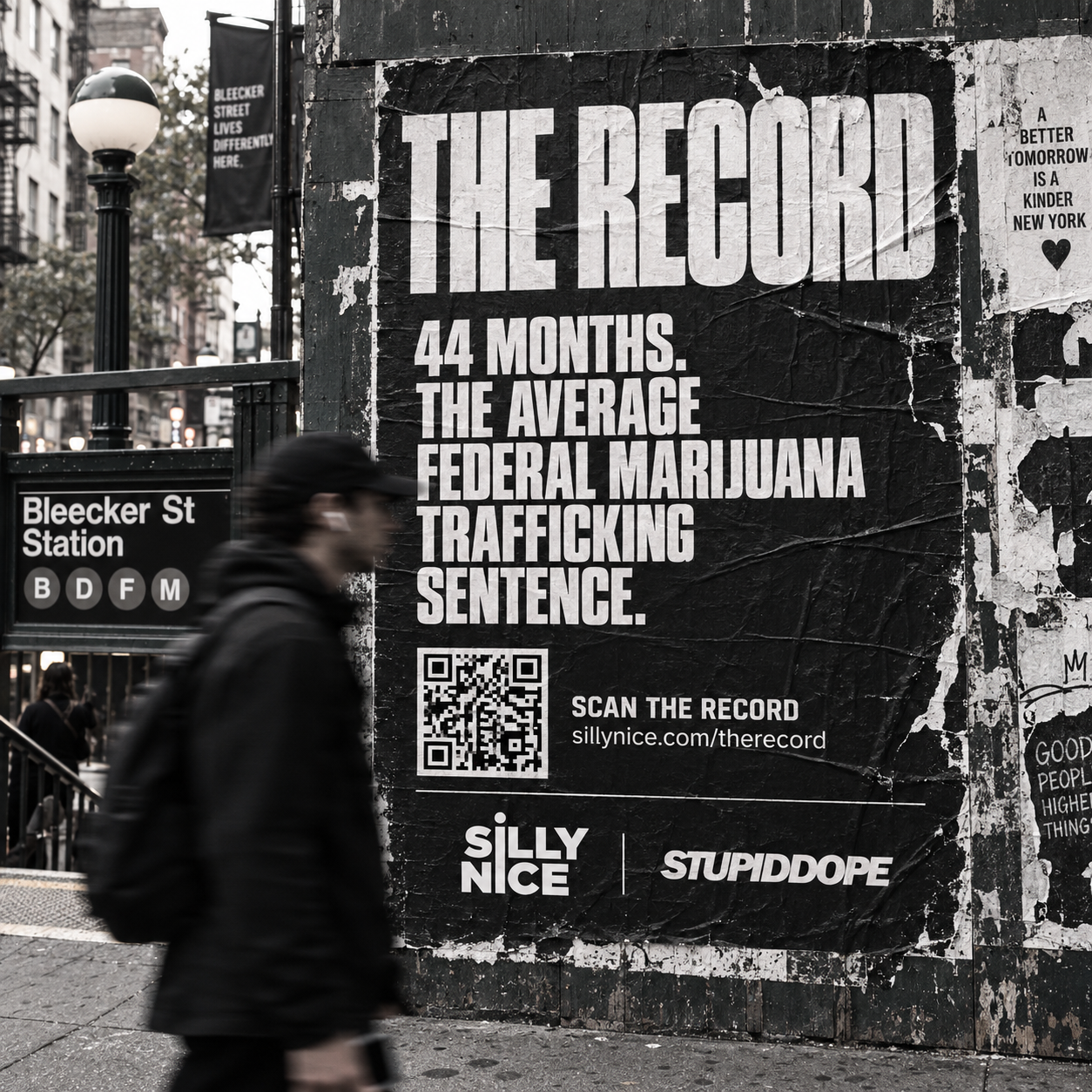
At the federal level, the consequences remain severe. Data from the [U.S. Sentencing Commission](https://www.ussc.gov/research/quick-facts/marijuana-trafficking) for FY2025 shows that 389 individuals were sentenced for marijuana offenses under USSG Chapter Two, Part D. Of those individuals, 85% received prison sentences, with 44 months being the average federal marijuana trafficking sentence. The demographics of these federal sentences reveal stark racial disparities. According to [U.S. Census Bureau 2023 data](https://www.census.gov/), Black Americans make up approximately 13.6% of the U.S. population but accounted for 42% of federal marijuana sentences (3.1 times over-represented). Hispanic Americans, comprising roughly 19.5% of the population, accounted for 30% of sentences (1.5 times over-represented). Conversely, White (non-Hispanic) Americans make up about 58.4% of the population but only 15% of sentences (0.3 times under-represented). Notably, 80% of those sentenced federally were U.S. citizens, and 64% had little or no prior criminal history.
What Has Changed
Despite the grim statistics, significant policy shifts have occurred, fundamentally altering the landscape of cannabis justice. The most measurable impact of legalization is the precipitous drop in arrests within reformed jurisdictions. The [Marijuana Policy Project](https://www.mpp.org/assets/pdf/issues/criminal-justice/2026-cannabis-arrest-report.pdf) reports that legalization states made 219,456 fewer arrests in 2025 than the year before each legalized. The average drop in cannabis arrest rates after legalization is an astounding 85.53%, with possession arrests falling 84.61% and sales arrests falling 80.39%. Crucially, cannabis arrests dropped in every single state after legalization.
Beyond halting new arrests, states are actively working to clear historical records. In New York, the [Office of Cannabis Management and NY Courts](https://www.nycourts.gov/help/criminal/cannabis-marihuana-and-expungement-under-new-york-state-law) identified over 400,000 cannabis-related records for expungement under the 2021 MRTA. While the initial estimate was around 300,000, the verified total exceeded 400,000 by 2026. It is vital to distinguish expungement from sealing, pardons, or clemency. Under NY law (CPL 1.20(45)), expungement means the arrest, court case, and conviction are treated as if they never happened, and they do not appear on background checks. Sealing merely restricts access to the record, while pardons and clemency forgive the offense without necessarily erasing the record. Organizations like the [Last Prisoner Project](https://www.lastprisonerproject.org/) have also made strides, saving over 400 years through clemency and release programs, clearing over 250,000 offenses, and distributing $3.8 million in direct support in 2025.
What Remains Unresolved
While state-level reforms have cleared hundreds of thousands of records, a massive policy gap remains between federal classification and state legalization. According to the [Congressional Research Service (IF12270, updated March 10, 2026)](https://crsreports.congress.gov/), cannabis remains a Schedule I controlled substance under the federal Controlled Substances Act (21 U.S.C. §§801 et seq.). This Schedule I designation legally defines cannabis as having a high potential for abuse, no currently accepted medical use, and a lack of accepted safety for use under medical supervision. This federal posture complicates employment law, banking, and interstate commerce, leaving individuals with federal convictions largely outside the scope of state-level expungement efforts.
Furthermore, the burden of prohibition remains heavily concentrated in specific regions. Six states reported that over 50% of their drug arrests were for marijuana: Louisiana, Idaho, Iowa, Wisconsin, Nebraska, and Kansas. The financial toll of this enforcement is also immense; the most recent comprehensive estimate by the [ACLU in 2013](https://www.aclu.org/) calculated that $3.6 billion per year was spent on cannabis prohibition enforcement. While this figure predates widespread legalization, the continued high volume of arrests in prohibition states suggests that billions are still being expended to maintain the status quo. Legislative efforts to modernize the system are ongoing, with the [REFORM Alliance](https://reformalliance.com/) noting that 72% of Americans support modernizing probation and parole, leading to victories like the NY Less is More Act (2021) and the advancement of the federal Safer Supervision Act in 2025.
Conclusion
The data from 2025 paints a complex picture of a nation caught between the momentum of reform and the inertia of historical prohibition. With 200,960 reported marijuana possession arrests occurring in a single year, the collateral consequences of criminalization continue to disrupt lives, limit employment opportunities, and perpetuate racial disparities within the justice system. While state-led expungement efforts, such as the clearing of over 400,000 records in New York, offer a blueprint for restorative justice, the federal government's adherence to Schedule I classification ensures that the conflict will persist. The numbers demand a reckoning with how society treats those burdened by the legacy of the drug war. For more data and ongoing coverage of cannabis justice initiatives, visit THE RECORD at [https://sillynice.com/therecord](https://sillynice.com/therecord).
Topics