Introduction
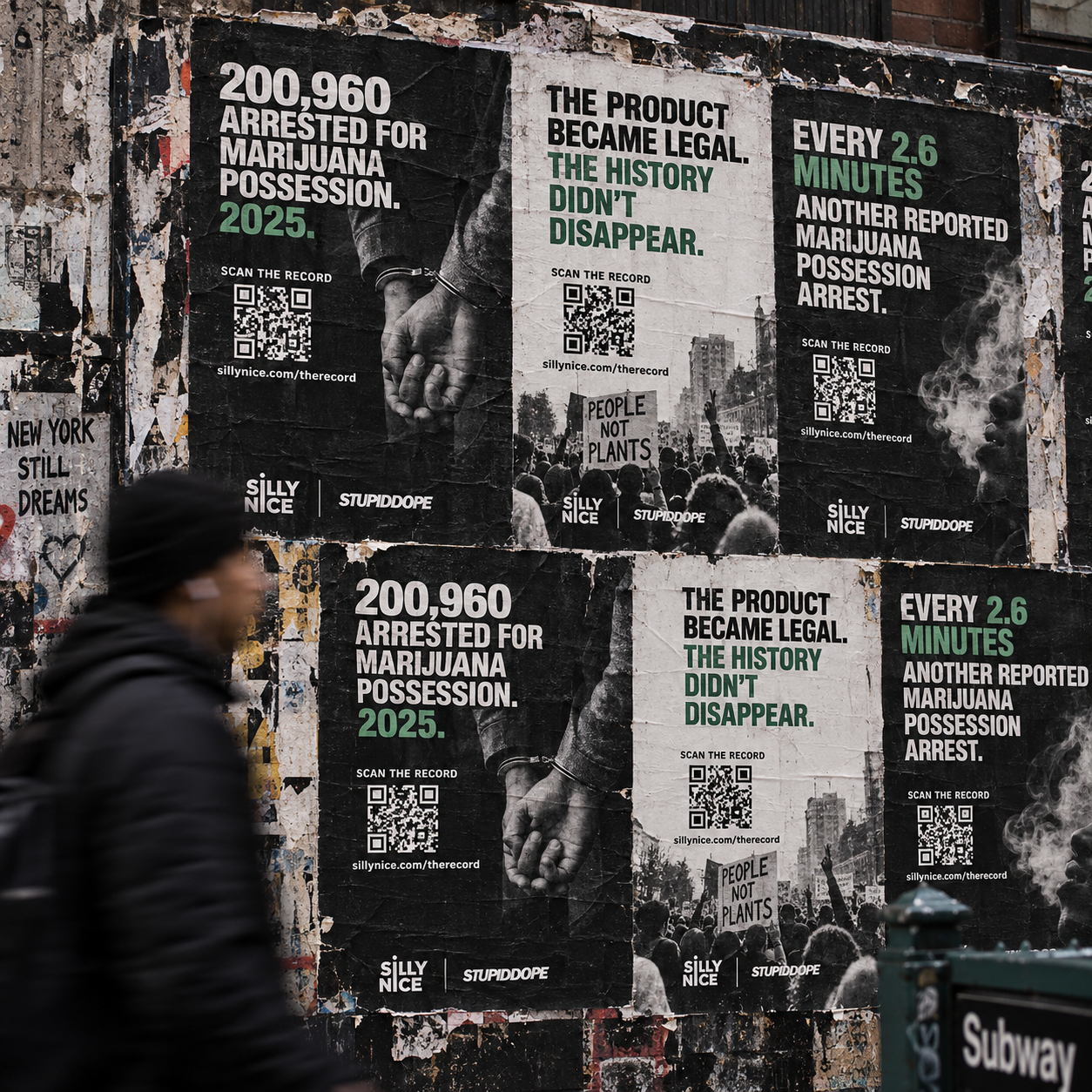
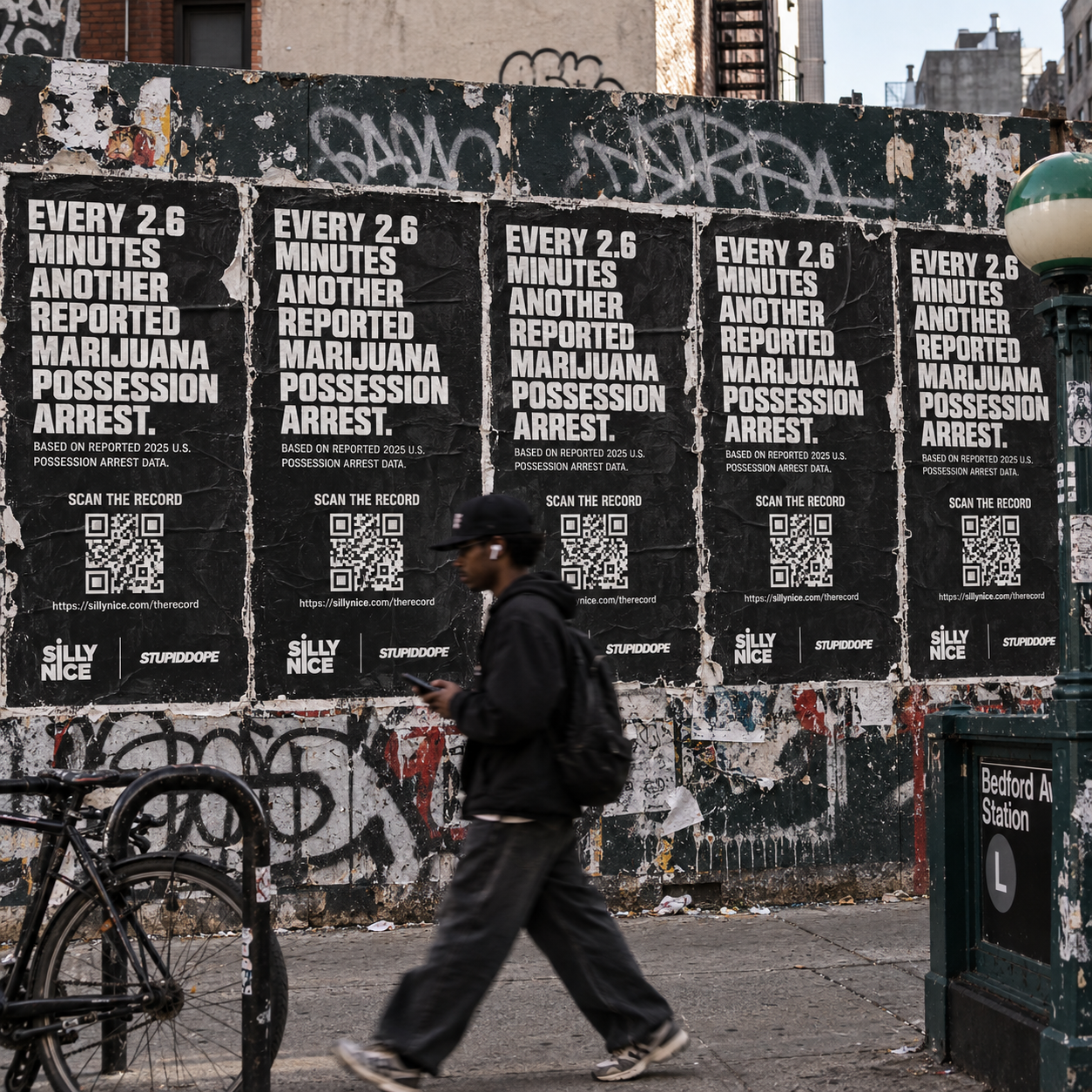
In the United States, the machinery of cannabis enforcement operates with a relentless, metronomic precision. According to the most recent figures published in September 2026, there is one reported marijuana possession arrest every 2.6 minutes. This staggering per-minute rate, calculated from the 200,960 reported marijuana possession arrests in 2025, underscores a profound disconnect between shifting public sentiment and the rigid realities of law enforcement. While a growing number of states have embraced legalization and commercialization, the national law enforcement apparatus continues to process hundreds of thousands of individuals through the criminal justice system for offenses that are no longer considered crimes in nearly half the country. The data reveals a fractured landscape where geography dictates justice, and where the consequences of a single arrest can ripple through a lifetime.
To understand the true scope of this phenomenon, one must look beyond the rhetoric of reform and examine the raw, verified statistics provided by federal and state agencies. The numbers tell a story of a system in transition, yet stubbornly anchored to the policies of the past. From the local precincts reporting to the FBI Crime Data Explorer to the federal courtrooms monitored by the U.S. Sentencing Commission, the data paints a complex picture of who goes to prison, for how long, and under what circumstances. This investigation delves into the empirical evidence, stripping away advocacy clichés to present a clear-eyed analysis of America's ongoing enforcement of cannabis prohibition. By examining the intersections of race, geography, and jurisdiction, we can begin to answer the critical questions: What does cannabis justice look like in 2026, and who is still paying the price for prohibition?
The Current Data
The most comprehensive snapshot of current enforcement practices comes from the FBI Crime Data Explorer, which released its 2025 Arrest Data in September 2026. The figures are unequivocal: law enforcement agencies reported 200,960 marijuana possession arrests in 2025. When combined with the 17,192 marijuana sales and manufacturing arrests, the total number of marijuana-related arrests in 2025 reached 218,152. This means that approximately 23 percent of all drug-related arrests nationwide were for marijuana possession alone. These numbers, while substantial, likely understate the true volume of enforcement. The FBI notes that approximately 13 percent of law enforcement agencies did not submit complete data for the year, meaning the actual totals are undoubtedly higher. This gap in reporting highlights a persistent challenge in criminal justice research: the reliance on voluntary data submission from thousands of decentralized local and state agencies.
The geography of these arrests reveals stark regional disparities. According to a 2025 compilation by NORML, Texas accounted for approximately 14 percent of the national total, with over 29,000 marijuana-related arrests. This translates to one arrest every 18 minutes in the Lone Star State. Texas is not alone in its aggressive enforcement; it is joined by four other states that each reported more than 11,000 possession arrests: Georgia (11,238), North Carolina (11,830), Tennessee (11,194), and Wisconsin (11,470). Together, just ten states—Texas, North Carolina, Wisconsin, Georgia, Tennessee, Pennsylvania, South Carolina, Indiana, Louisiana, and Alabama—accounted for approximately 60 percent of all marijuana arrests nationwide. In six of these states (Louisiana, Idaho, Iowa, Wisconsin, Nebraska, and Kansas), more than 50 percent of all drug arrests were specifically for marijuana. Conversely, in states with established legal markets, enforcement has plummeted to near-zero levels. Five legal states reported fewer than 100 possession arrests each: Alaska (92), Maine (96), Montana (35), Rhode Island (99), and Vermont (16).
These figures must be understood as reported totals rather than a complete national census. The distinction between arrests and convictions is also crucial here; an arrest represents an initial point of contact with the criminal justice system, not necessarily a finding of guilt or a sentence of incarceration. However, the sheer volume of these initial contacts—over 218,000 in a single year—demonstrates that despite widespread cultural acceptance and state-level legalization, marijuana possession remains a primary driver of police-civilian interactions in much of the United States. The data from the FBI Crime Data Explorer provides a vital, if incomplete, baseline for understanding the scale of ongoing prohibition enforcement.
Historical Context
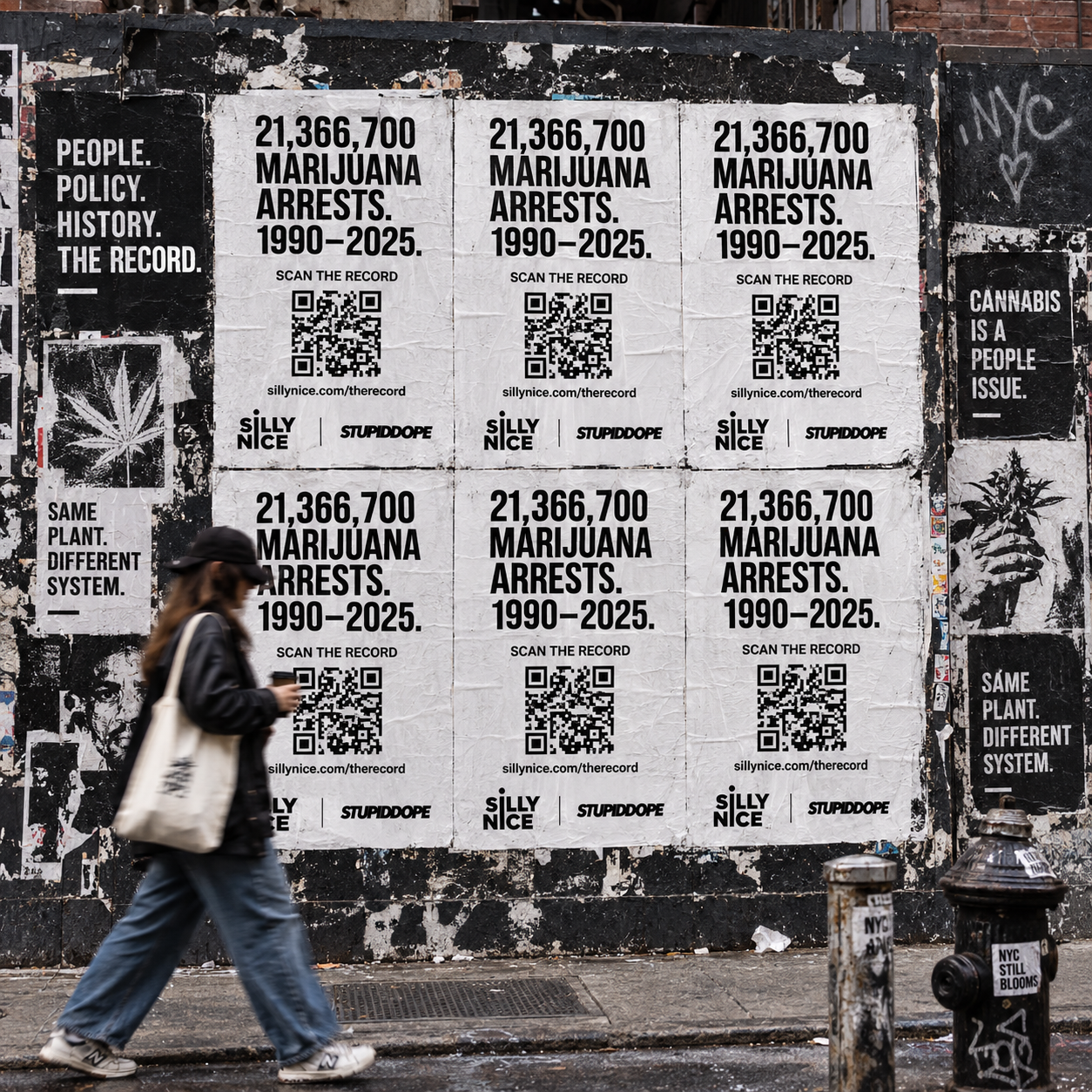
To fully grasp the magnitude of the 2025 data, it must be placed within its historical context. The enforcement of cannabis prohibition has been a defining feature of the American criminal justice system for decades. According to a comprehensive compilation of FBI Uniform Crime Reporting (UCR) data by NORML, there have been 21,366,700 cumulative marijuana-related arrests from 1990 to 2025. This staggering figure represents a multi-generational campaign of law enforcement that has touched millions of lives. The intensity of this enforcement has varied significantly over time, reflecting shifting political priorities and federal funding incentives.
The data shows a clear escalation beginning in the 1990s. Between 1990 and 1999, law enforcement agencies reported 5,132,304 marijuana-related arrests. This aggressive posture accelerated into the new millennium, making the 2000-2009 period the highest decade on record with 7,877,165 arrests. The peak year for enforcement occurred in 2007, when police made an unprecedented 872,721 marijuana-related arrests. The subsequent decade, from 2010 to 2019, saw a slight decline but still recorded 6,921,146 arrests. It was only in the most recent period, from 2020 to 2025, that a significant drop occurred, with 1,436,085 arrests reported. This decline directly correlates with the wave of state-level legalization that began with Colorado and Washington in 2012.
Understanding this historical trajectory is essential for evaluating current policy. The millions of arrests recorded over the past three decades have left an indelible mark on the American legal landscape. Each of those 21,366,700 arrests represents a formal entry into the criminal justice system, carrying potential consequences for employment, housing, and civil rights. While the annual totals have decreased from their 2007 peak, the cumulative weight of this historical enforcement continues to burden communities and individuals, necessitating the complex expungement and clemency programs now being implemented in reform-minded states.
What the Numbers Mean
Interpreting criminal justice data requires careful attention to definitions and jurisdictions. A critical distinction must be made between state-level arrests for simple possession and federal prosecutions for trafficking. While local police departments account for the vast majority of the 218,152 total marijuana-related arrests in 2025, the federal system operates on a different scale with significantly harsher consequences. According to the U.S. Sentencing Commission, in Fiscal Year 2025, there were 389 individuals sentenced for marijuana offenses under United States Sentencing Guidelines (USSG) Chapter Two, Part D. This represents a highly targeted enforcement effort focused on trafficking rather than possession.
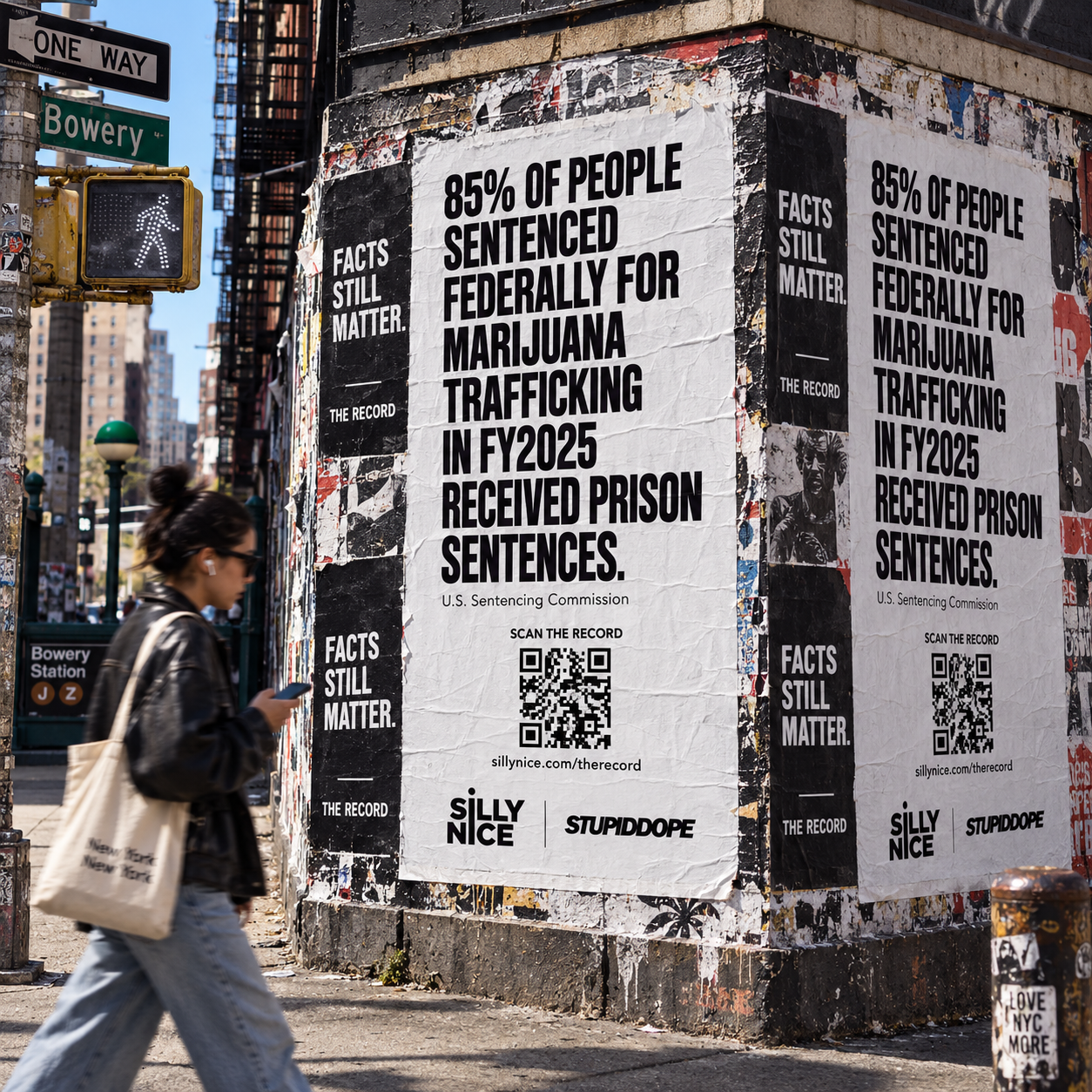
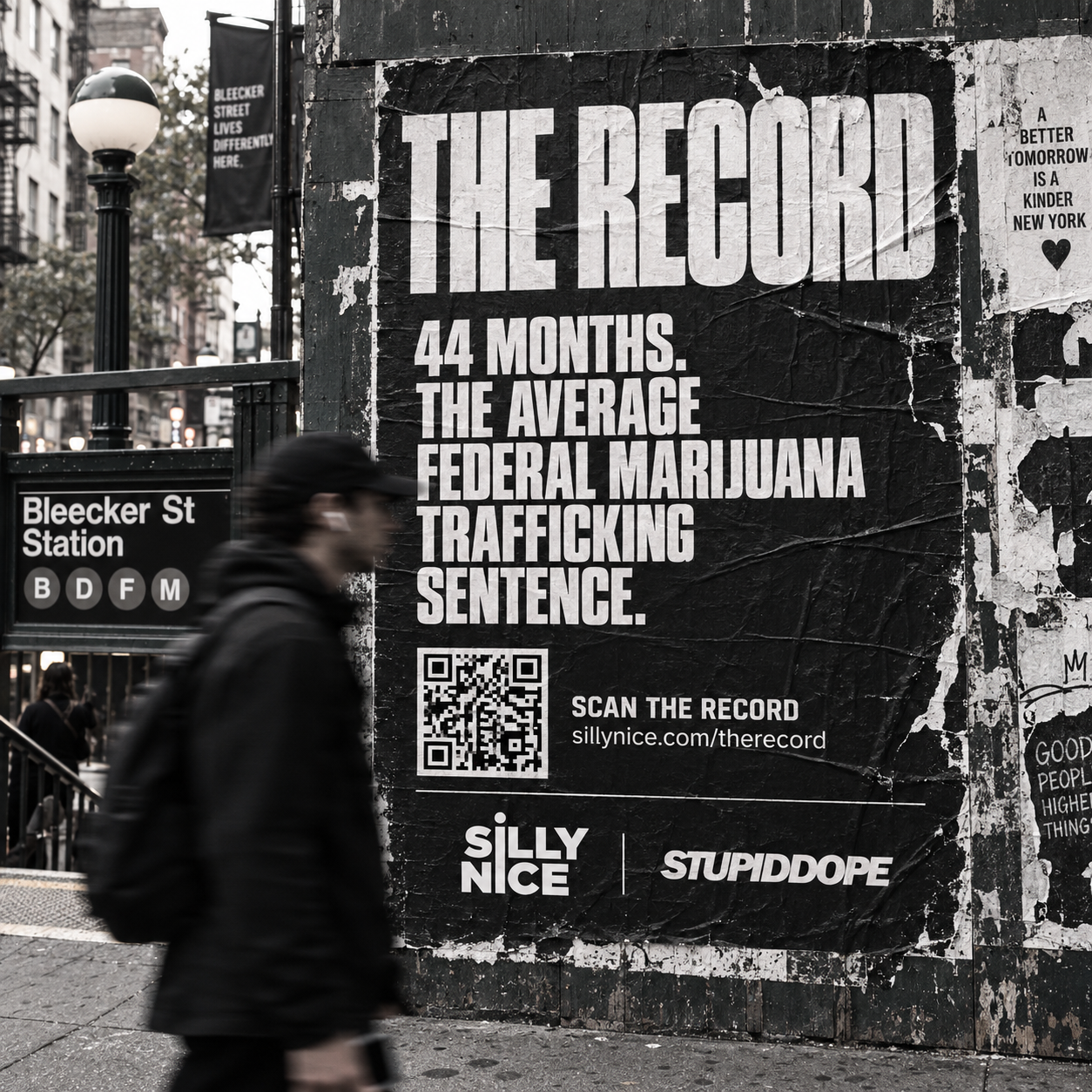
The outcomes for these federal defendants are severe. The Sentencing Commission data reveals that 85 percent of those 389 individuals received prison sentences. The average federal marijuana trafficking sentence in FY2025 was 44 months. This figure is particularly striking when considering the profile of the defendants: 80 percent were U.S. citizens, and 64 percent had little or no prior criminal history. The demographic breakdown shows that 88 percent were men, 42 percent were Black, 30 percent were Hispanic, 15 percent were White, and 12 percent were classified as other. The enforcement is also geographically concentrated, with the top districts for federal sentencing being the Western District of Texas (43 cases), the Southern District of Texas (38 cases), and the Eastern District of Virginia (27 cases).
It is important to note that federal marijuana trafficking cases have declined by 62 percent since FY2021, dropping from 995 cases to 383 cases. However, the 44-month average sentence demonstrates that when the federal government does choose to prosecute, the penalties remain substantial. These numbers capture the sharp end of the federal criminal justice system, but they exclude the millions of individuals navigating state courts, probation systems, and local jails. The data underscores a bifurcated reality: while state-level possession arrests are voluminous but often result in misdemeanors, federal trafficking convictions are rare but result in years of incarceration.
The Human Impact
Beyond the aggregate statistics lies the profound human impact of these enforcement policies, which disproportionately affect specific demographic groups. The racial disparities in federal sentencing are stark when contextualized with U.S. Census Bureau data from 2023. Black Americans make up approximately 13.6 percent of the U.S. population, yet they accounted for 42 percent of federal marijuana sentences in FY2025—making them 3.1 times over-represented in these federal cases. Hispanic Americans, who comprise approximately 19.5 percent of the population, accounted for 30 percent of the sentences, representing a 1.5 times over-representation. In contrast, White (non-Hispanic) Americans make up approximately 58.4 percent of the population but accounted for only 15 percent of the sentences, meaning they are 0.3 times under-represented.
The consequences of an arrest or conviction extend far beyond the courtroom or the prison cell. The American supervision system—probation and parole—serves as a massive, often overlooked mechanism of control. According to the REFORM Alliance, in 2025, there were nearly 3.7 million people on probation or parole in the United States. Crucially, this supervision system is the largest feeder of people into prison, often for technical violations rather than new crimes. Technical violations can include missing a meeting, being unable to pay exorbitant fees, or visiting a loved one without prior approval from a probation officer. For individuals with cannabis-related convictions, these strictures can create an inescapable cycle of incarceration and supervision.
The practical consequences for individuals caught in this system are severe and long-lasting. A conviction can bar access to federal financial aid, public housing, and countless employment opportunities. Even an arrest without a conviction can appear on background checks, severely limiting upward mobility. The data clearly shows that these burdens are not distributed equally across the population. The intersection of racial disparities in sentencing and the expansive reach of the probation system ensures that the human cost of cannabis prohibition is borne disproportionately by minority communities, perpetuating cycles of disenfranchisement and economic instability.
What Has Changed
Despite the grim statistics regarding ongoing enforcement, the legal landscape has undergone a seismic shift over the past decade. According to the Congressional Research Service, as of March 2026, 24 states, the District of Columbia, Guam, and the Northern Mariana Islands have legalized recreational cannabis. Furthermore, 40 states, D.C., Puerto Rico, Guam, and the U.S. Virgin Islands have enacted comprehensive medical cannabis laws. This wave of legalization, which began with Colorado and Washington in 2012, has had a measurable impact on arrest rates. The Marijuana Policy Project's 2026 Cannabis Arrest Report found that legalization states made 219,456 fewer arrests in 2025 than the year before each legalized. The average drop in cannabis arrest rates after legalization is a staggering 85.53 percent, with possession arrests falling 84.61 percent and sales arrests falling 80.39 percent.
In addition to reducing new arrests, states are actively working to address the historical harms of prohibition through expungement programs. In New York, which legalized cannabis via the Marijuana Regulation and Taxation Act (MRTA) in 2021, the Office of Cannabis Management and the NY Courts identified over 400,000 cannabis-related records for expungement. While the initial estimate was approximately 300,000, the verified total exceeded 400,000 by 2026. Under New York law (CPL 1.20(45)), expungement is legally distinct from sealing; it means the arrest, court case, and conviction are treated as if they never happened and do not appear on background checks. This is a critical distinction, as sealed records still exist and can be accessed under restricted circumstances.
Reforms are also targeting the broader criminal justice system. The REFORM Alliance helped pass legislation impacting over 188,000 people in 2025 alone, reflecting the fact that 72 percent of Americans support modernizing probation and parole. Key legislative victories include the NY Less is More Act (2021), MD SB 432 (2025), GA SB 105 (2023), FL SB 752 (2023), and VA HB 2252 & SB 936 (2026). At the federal level, the Safer Supervision Act advanced in Congress in 2025. These policy shifts demonstrate a growing consensus that the punitive approaches of the past are both ineffective and unjust, paving the way for a more equitable legal framework.
What Remains Unresolved
Despite significant progress at the state level, a massive policy gap remains between state legalization and federal law. According to the Congressional Research Service (IF12270, updated March 10, 2026), cannabis remains a Schedule I controlled substance under the federal Controlled Substances Act (21 U.S.C. §§801 et seq.). This classification dictates that the federal government views cannabis as having a high potential for abuse, no currently accepted medical use, and a lack of accepted safety for use under medical supervision. This federal intransigence creates a chaotic legal environment where businesses operate legally under state law while remaining federally illicit, and where individuals can face severe federal mandatory minimums for actions that are celebrated as entrepreneurship in neighboring jurisdictions.
The persistence of prohibition in certain states continues to drive massive arrest numbers. The MPP 2026 Cannabis Arrest Report highlights that prohibition states made 8 times more cannabis arrests than legalization states in 2025 (186,581 versus 22,357). Only three states—Idaho, Kansas, and American Samoa—still have no medical cannabis access whatsoever. The financial burden of this ongoing enforcement is immense. While the most recent comprehensive estimate from the ACLU in 2013 placed the cost of cannabis prohibition enforcement at $3.6 billion per year, this figure predates widespread legalization and may not reflect current costs, though the continued high volume of arrests in prohibition states suggests the financial drain remains substantial.
Furthermore, the data itself remains incomplete. With approximately 13 percent of law enforcement agencies failing to submit complete data to the FBI in 2025, policymakers and researchers are forced to operate with an obscured view of the true scale of enforcement. The distinction between pardons, clemency, sealing, and expungement also creates a patchwork of relief that varies wildly by jurisdiction, leaving many individuals with lingering collateral consequences despite living in states that have ostensibly legalized the substance. Until federal law is reconciled with state realities, these unresolved issues will continue to generate legal jeopardy and systemic inequity.
Conclusion
The verified data from 2025 presents a dual reality: a nation rapidly dismantling the architecture of cannabis prohibition, yet still arresting hundreds of thousands of its citizens in the process. With 200,960 reported marijuana possession arrests in 2025—one every 2.6 minutes—and an average federal trafficking sentence of 44 months, the machinery of enforcement remains highly active. The historical weight of over 21.3 million arrests since 1990 continues to cast a long shadow, disproportionately impacting Black and Hispanic Americans who face higher rates of federal sentencing and the compounding burdens of the probation system.
Yet, the data also quantifies hope. Legalization states have seen an 85.53 percent average drop in arrest rates, and organizations like the Last Prisoner Project have secured over 400 years saved through clemency and release programs, cleared over 250,000 offenses, and distributed $3.8 million in direct support. As New York expunges over 400,000 records, the path forward requires a relentless focus on the facts. For ongoing analysis and verified data on the intersection of cannabis policy and criminal justice, visit THE RECORD at https://sillynice.com/therecord.
Topics