Introduction
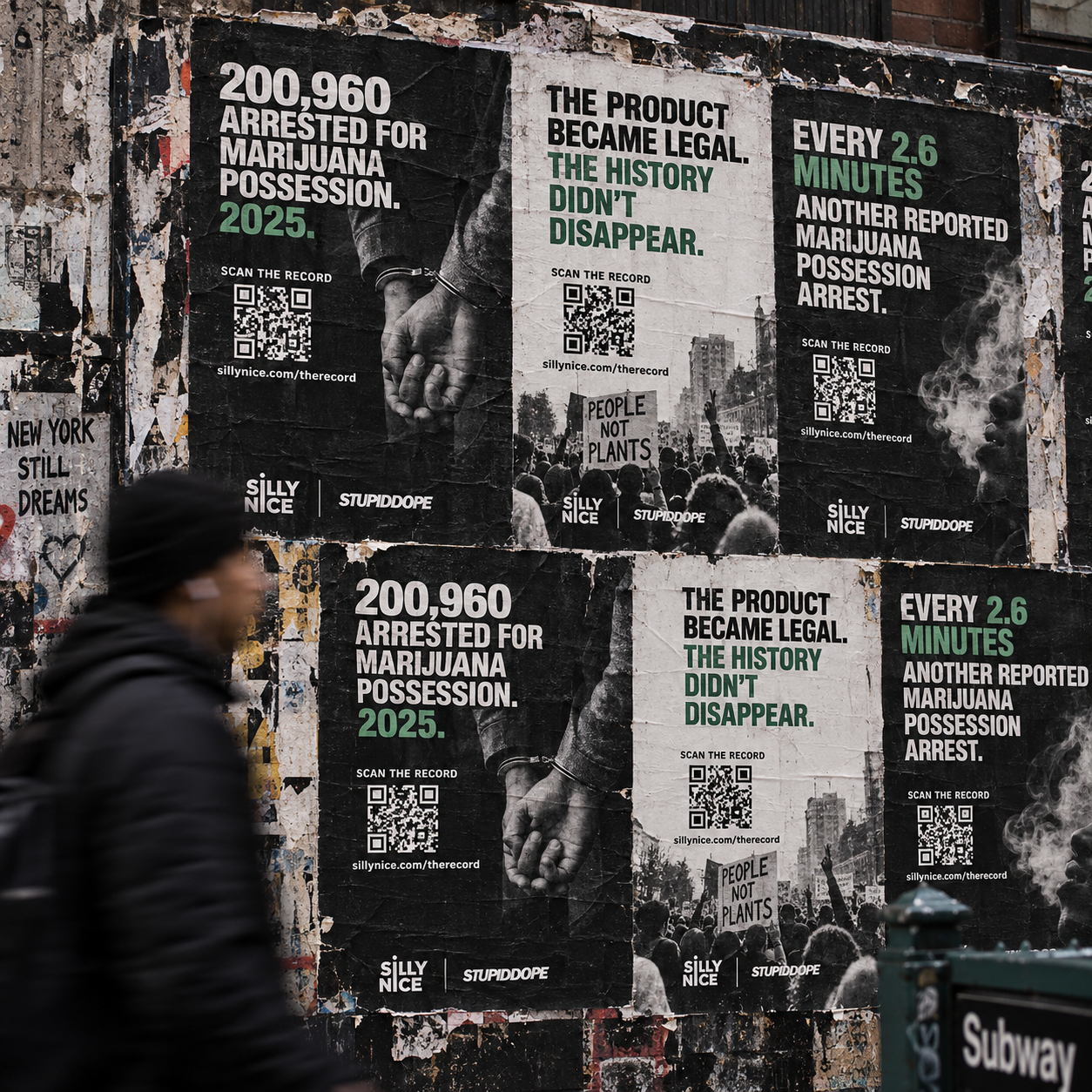
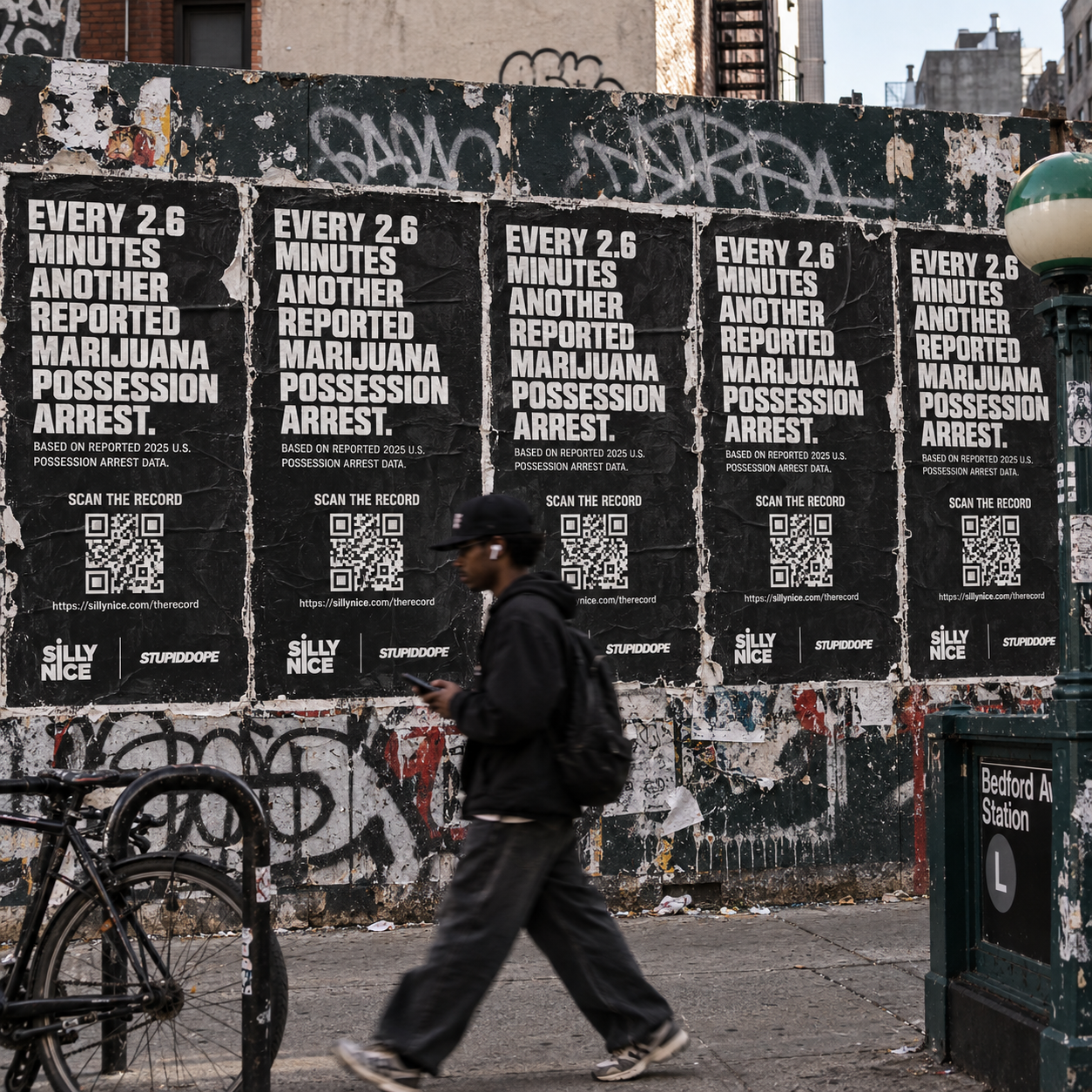
In the United States, the conversation surrounding cannabis has shifted dramatically over the past decade, yet the criminal justice system continues to process hundreds of thousands of individuals for marijuana-related offenses. According to the FBI Crime Data Explorer, there were 200,960 reported marijuana possession arrests in 2025 alone. This staggering figure translates to one reported marijuana possession arrest every 2.6 minutes, a rhythm that underscores the persistent reality of prohibition in many parts of the country.
This article, part of THE RECORD—a cannabis justice editorial initiative published by Silly Nice and stupidDOPE—aims to dissect the critical divide between cannabis possession and trafficking. By examining verified statistics from government agencies and advocacy groups, we will explore how the law separates these offenses, the historical context of enforcement, and the human impact of a system that remains deeply fractured despite widespread state-level legalization.
The Current Data
The most recent data from the FBI Crime Data Explorer reveals a complex picture of modern cannabis enforcement. In 2025, law enforcement agencies reported 218,152 total marijuana-related arrests. Of these, 200,960 were for possession, while 17,192 were for sales or manufacturing. This means that approximately 23% of all drug-related arrests nationwide were for marijuana possession.
It is crucial to note that these figures are likely an undercount. Approximately 13% of law enforcement agencies did not submit complete data to the FBI, meaning the actual totals may be higher. Furthermore, the geography of enforcement is highly uneven. Ten states accounted for roughly 60% of all marijuana arrests in 2025, with Texas leading the nation at over 29,000 arrests—averaging one every 18 minutes.
Conversely, states that have legalized recreational cannabis report drastically lower numbers. Five legal states—Alaska, Maine, Montana, Rhode Island, and Vermont—each reported fewer than 100 possession arrests in 2025. This stark contrast highlights the profound impact of state-level policy on law enforcement practices.
Historical Context
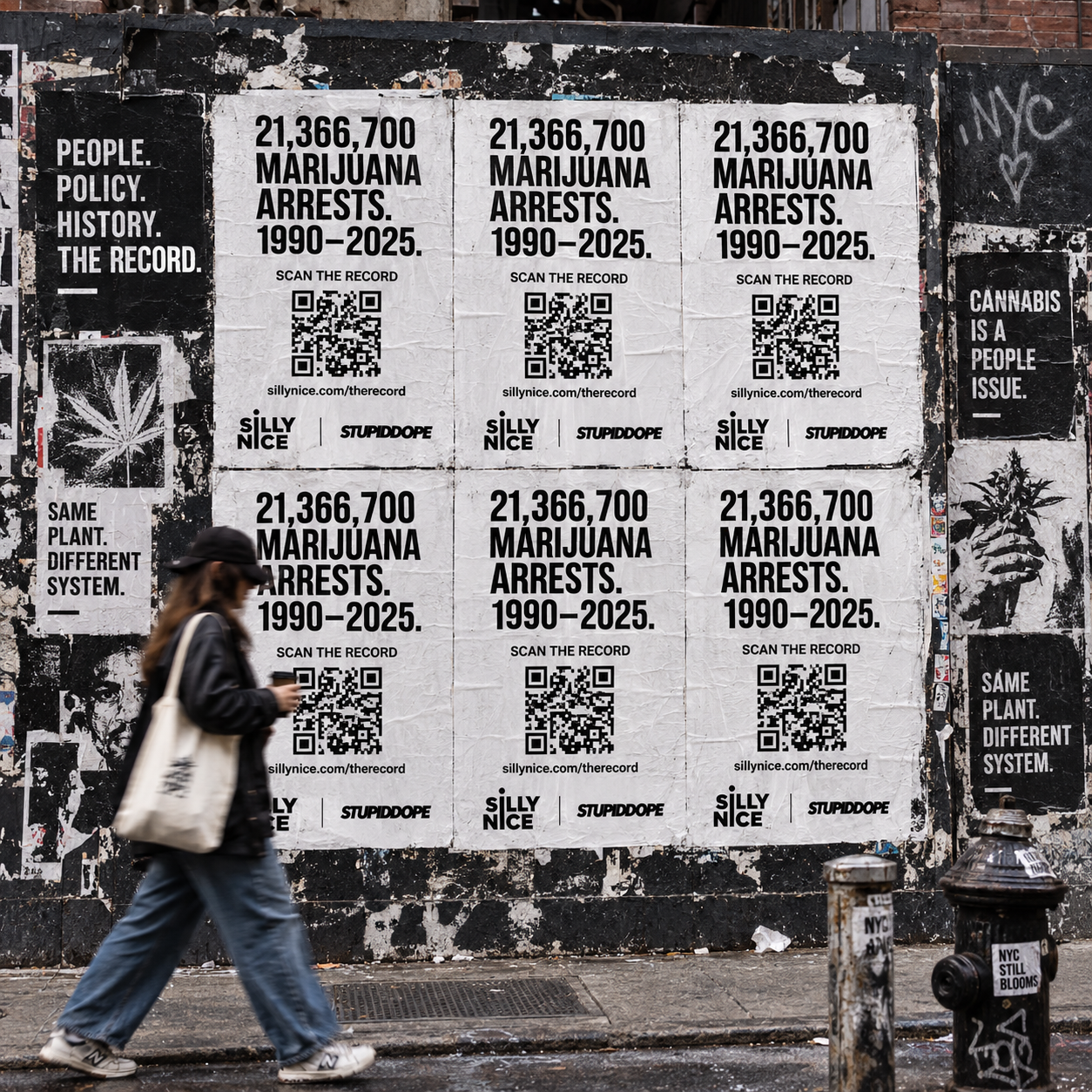
To understand the current landscape, we must look back at the historical context of cannabis enforcement. According to a NORML compilation of FBI UCR data, there were 21,366,700 cumulative marijuana-related arrests from 1990 to 2025. The peak of this enforcement occurred during the 2000s, with 7,877,165 arrests recorded between 2000 and 2009.
The tide began to turn in 2012 when Colorado and Washington became the first states to legalize recreational cannabis. Since then, a wave of legalization has swept the nation. As of March 2026, 24 states, the District of Columbia, Guam, and the Northern Mariana Islands have legalized recreational cannabis, while 40 states and several territories have comprehensive medical cannabis laws.
Despite these state-level changes, cannabis remains a Schedule I controlled substance under the federal Controlled Substances Act (21 U.S.C. §§801 et seq.). This classification means the federal government considers cannabis to have a high potential for abuse and no currently accepted medical use, creating a significant policy gap between federal law and state legalization.
What the Numbers Mean
Interpreting these statistics requires careful attention to the distinctions between different types of offenses and legal outcomes. An arrest is not a conviction, and a conviction does not necessarily result in incarceration. Furthermore, the data clearly separates possession from trafficking, two categories that are often conflated in public discourse.
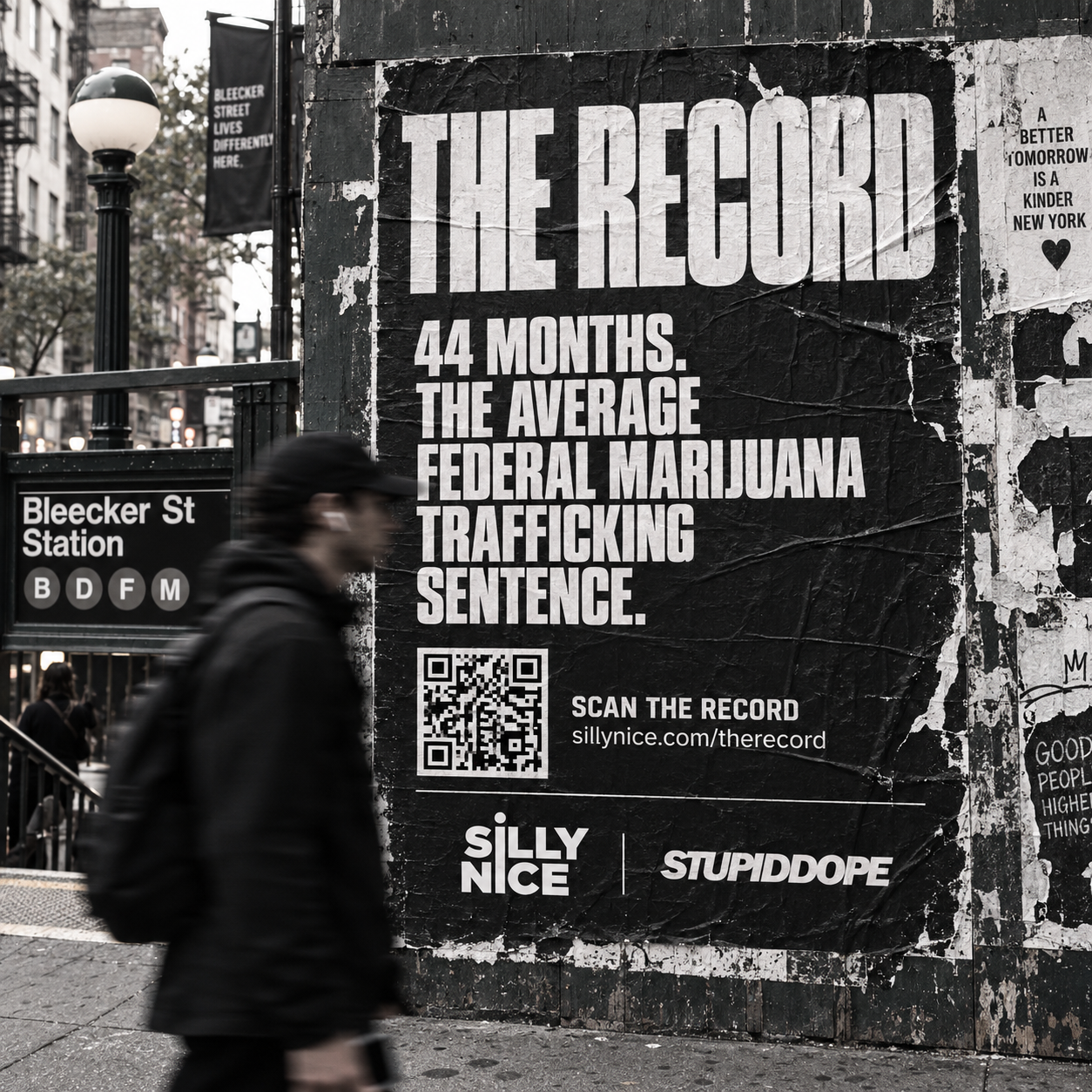
At the federal level, the U.S. Sentencing Commission reported that 389 individuals were sentenced for marijuana offenses under USSG Chapter Two, Part D in FY2025. Of these, 85% received prison sentences, with an average federal marijuana trafficking sentence of 44 months. It is essential to understand that these figures apply specifically to federal trafficking cases, not simple possession.
The data also reveals significant racial disparities. According to the U.S. Census Bureau, Black Americans make up approximately 13.6% of the U.S. population but accounted for 42% of federal marijuana sentences in FY2025—a 3.1× over-representation. Hispanic Americans were also over-represented, comprising 19.5% of the population and 30% of sentences.
The Human Impact
The practical consequences of these statistics are profound. For individuals caught in the criminal justice system, a marijuana arrest can lead to a cascade of negative outcomes, including loss of employment, housing instability, and restricted access to education. The supervision system further exacerbates these issues.
According to the REFORM Alliance, nearly 3.7 million people are on probation or parole in the United States. This system is the largest feeder of people into prison, often for technical violations rather than new crimes. Technical violations can include missing a meeting, being unable to pay fees, or visiting a loved one without approval.
Organizations like the Last Prisoner Project (LPP) are working to mitigate this impact. In 2025, LPP reported saving over 400 years through clemency and release programs, clearing more than 250,000 offenses, and distributing $3.8 million in direct support to those affected by cannabis prohibition.
What Has Changed
Despite the ongoing challenges, significant reforms have taken place. The Marijuana Policy Project's 2026 Cannabis Arrest Report highlights that prohibition states made 8× more cannabis arrests than legalization states in 2025 (186,581 vs 22,357). Furthermore, legalization states made 219,456 fewer arrests in 2025 than the year before each legalized, with an average drop in cannabis arrest rates of 85.53%.
In New York, the Marijuana Regulation and Taxation Act (MRTA) of 2021 has led to large-scale automatic record clearing. The New York State Office of Cannabis Management and the NY Courts report that over 400,000 cannabis-related records have been identified for expungement. Under NY law (CPL 1.20(45)), expungement means the arrest, court case, and conviction are treated as if they never happened, distinct from sealing, where records still exist but are restricted.
Legislative victories have also impacted the supervision system. The REFORM Alliance helped pass legislation impacting over 188,000 people in 2025, including the NY Less is More Act (2021) and the Safer Supervision Act, which advanced in Congress in 2025.
What Remains Unresolved
While progress has been made, significant problems persist. The policy gap between federal classification and state legalization continues to create legal ambiguity and uneven enforcement. In 2025, six states—Louisiana, Idaho, Iowa, Wisconsin, Nebraska, and Kansas—reported that over 50% of their drug arrests were for marijuana.
The financial cost of enforcement also remains a concern. A 2013 estimate by the ACLU placed the cost of cannabis prohibition enforcement at $3.6 billion per year. While this figure predates widespread legalization, it underscores the substantial resources historically dedicated to policing cannabis.
Furthermore, the racial disparities in federal sentencing highlight the ongoing need for systemic reform. As long as cannabis remains a Schedule I substance federally, the potential for unequal enforcement and severe penalties for trafficking will persist.
Conclusion
The data from 2025 paints a complex picture of cannabis enforcement in the United States. With 200,960 reported marijuana possession arrests and an average federal trafficking sentence of 44 months, the divide between state legalization and federal prohibition remains stark. While reforms like New York's expungement of over 400,000 records offer hope, the persistent racial disparities and high arrest rates in prohibition states demand continued scrutiny.
Understanding these verified statistics is essential for evaluating modern cannabis enforcement and advocating for meaningful change. For more information and to explore the data further, visit THE RECORD at https://sillynice.com/therecord.
Topics